Dextra Light
Innovative UV Systems & Germicidal Lamps
Explore our premium range of industrial-grade ultraviolet systems, high-efficiency sterilization tubes, and customizable photo-curing architectures designed for demanding application scenarios.

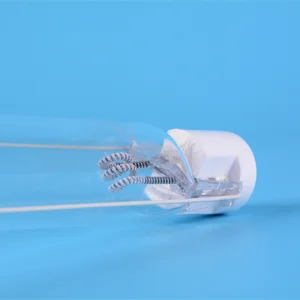

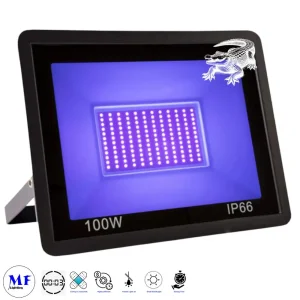
Technical Whitepaper: Evolution of Industrial UV Metal Halide & Photochemical Sources
An in-depth structural exploration of gas-discharge radiation, spectral configuration, and high-performance manufacturing paradigms in global heavy industries.
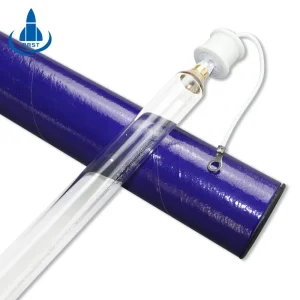
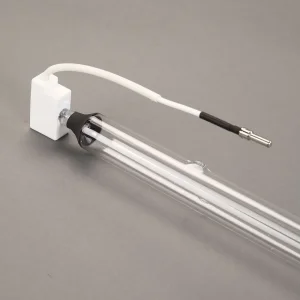
Ultraviolet (UV) curing and purification processes are fundamental to modern precision industries. Historically, the UV Metal Halide Lamp has served as the backbone of photochemical processing, offset printing, graphic arts, industrial coating, and wood-surface finishing. In comparison to basic mercury vapor devices, UV metal halide light sources are doped with distinct metal iodides (such as Gallium or Iron). This doping alters the emission envelope, producing substantial information gain and high energy density spikes within the 350nm to 450nm spectral bands.
As advanced technology platforms require faster polymerization times, understanding the specific spectral outputs of Gallium-doped (ideal for deep-layer curing of wood and thick polymers) versus Iron-doped lamps (engineered for photopolymer plates and standard UV inks) is vital for process engineers. This document establishes technical benchmarks for selecting, procuring, and implementing high-intensity ultraviolet systems at industrial scale.
Gallium-Doped Spectrum
Emits heavily near 417nm. This long-wave light penetrates deeply into thick pigment layers, rendering it ideal for wood finishes, adhesives, and composite matrix solidification.
Iron-Doped Spectrum
Produces peak spectral energy at 365nm. This is optimized for rapid surface curing of UV paints, varnishes, screen-printing inks, and standard industrial coatings.
Excimer Multi-Wave Tech
Utilizes micro-gap discharge to emit pure, monochromatic light (e.g., 222nm or 172nm) for modern, eco-friendly surface texturing and chemical-free disinfection.
Manufacturing Integration & Core Capabilities
The manufacturing ecosystem in southern China provides unmatched advantages for producing optical electronics. From sourcing ultra-pure quartz glass envelopes to integrating automatic high-speed surface-mount technology (SMT), our localized supply chain ensures high-precision construction and thermal durability.
Zhongshan Dextra Lights Technology Co., Ltd., founded in March 2012, is a leading high-tech enterprise operating within this productive manufacturing cluster. Our R&D team brings over 15 years of deep expertise across the RGB display and industrial UV sectors. Spanning approximately 9,000 square meters, our facility houses robust, modern machinery and over 120 dedicated employees, including a specialized R&D cohort of 10 elite domestic and foreign engineers.
Supported by a 10 million RMB initial capital investment, we possess strong technical capabilities and solid financial structures. By integrating display technology with advanced UV gas discharge engineering, we produce high-performance industrial photolytic components that deliver long lifetimes, minimal ozone emission, and consistent spectral output.
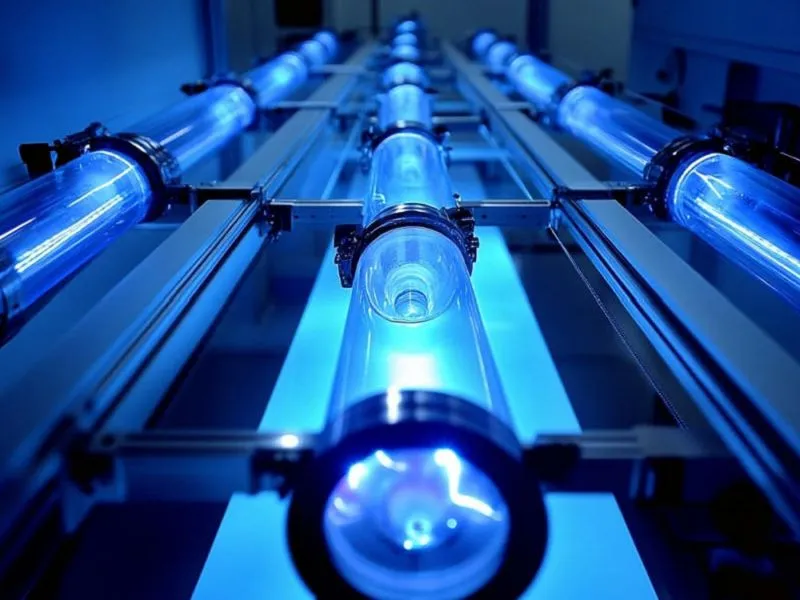
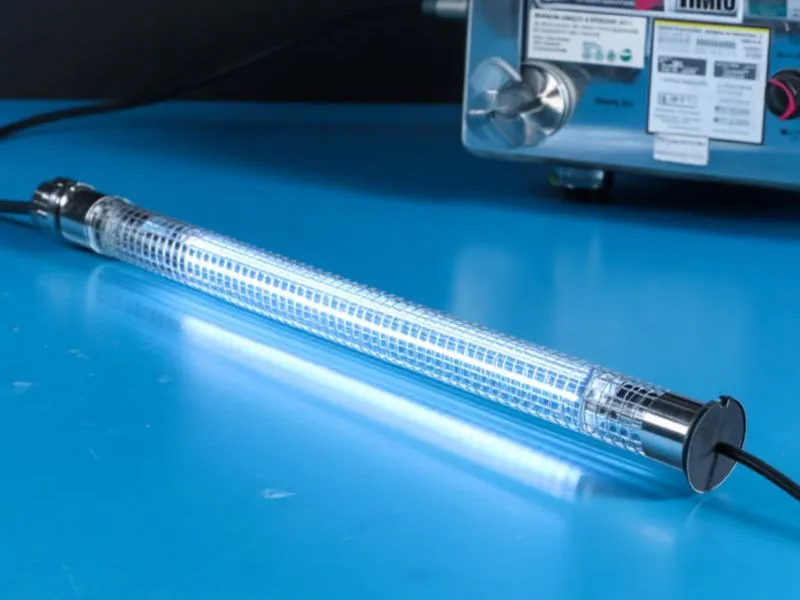
Scaling Global Distribution & Technological Innovation
Our manufacturing center operates 4 automated production lines equipped with 36 high-speed VPM placement machines, achieving high throughput and consistent build quality. Last year, our sales reached RMB 270 million, with UV products generating 37.8% of total revenue. Our annual sales growth has exceeded 9.2%, demonstrating sustained market traction.
We believe continuous innovation drives long-term success. Dextra Lights holds 50 national patents in China, demonstrating our ongoing commitment to advancing optoelectronic design. Through continuous testing of mercury-vapor mixtures, high-frequency ballast integration, and ozone-free quartz formulas, we provide customized, dependable UV systems that stand up to the most demanding industrial workflows.
Our global footprint spans more than 80 countries and regions across Europe, the Americas, the Middle East, Africa, and Southeast Asia. Built upon a complete sales and service network, our products are widely utilized in diverse settings, including digital advertising, live performances, commercial exhibitions, sterile medical spaces, logistics terminals, and deep-purification municipal facilities.
Global B2B Procurement Standards & System Integration
How technical buyers can optimize spectral performance, ensure chemical safety, and achieve long-term ROI across diverse macro-industrial applications.
Industrial procurement managers face major challenges when selecting UV metal halide replacement lamps or custom-built UV reactors. Key metrics like irradiance decay curves, electrode design, and ballast compatibility are critical to maintaining stable production lines. Dextra Lights simplifies this selection by offering structured design matching to address key process variables:
1. Spectral Decay Management
Standard lamps often lose up to 30% of their output within 1,000 hours. Our custom quartz glass doping reduces devitification, keeping spectral emissions above 85% of initial values even after 8,000 hours of continuous operation.
2. Intelligent Ballast Matching
Standard step-down transformers can suffer from high reactive power losses. Our high-frequency electronic ballasts dynamically match lamp impedance, cutting power consumption by 15% and extending electrode lifespans.
3. Structural Thermal Balance
Industrial UV curing generates high heat. We design custom quartz sleeves with active air-cooling and water-jacket cooling systems, keeping operating temperatures within the optimal 600°C–800°C envelope.
Our Product Ecosystem & Diverse Solutions
Our product development focuses on two main areas: high-power industrial UV systems and high-efficiency germicidal components. By combining these capabilities, we deliver targeted, system-wide solutions across several critical fields:
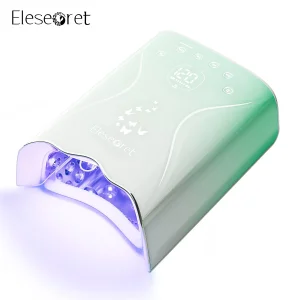
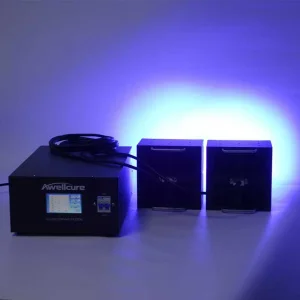
- Industrial Photo-Curing: High-power UV-LED arrays and metal halide lamps tailored for high-speed offset printing presses, optoelectronic encapsulation, and wood coating lines.
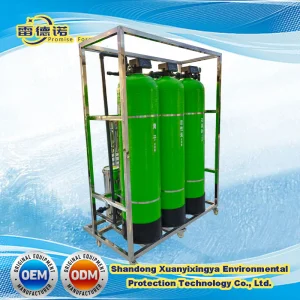
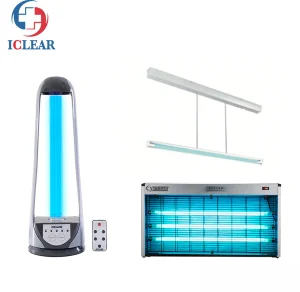
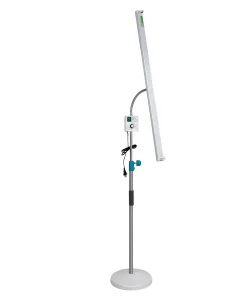
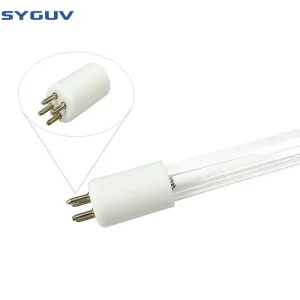
- Water and Air Sterilization: Amalgam and medium-pressure mercury systems designed for large-scale municipal water treatment, commercial HVAC installations, and cleanrooms.
- Maternal, Infant & Home Care: Compact, ozone-free UV-C sterilizers engineered to sanitize toys, baby bottles, and household textiles safely and efficiently.
- Specialized Agricultural & Vet Solutions: Target-spectrum UV systems designed to sterilize equipment, deodorize spaces, and control pathogens in intensive farming facilities.
Technical Questions & Design Specifications
A reference guide answering common engineering, material selection, and operational questions for system integrators.
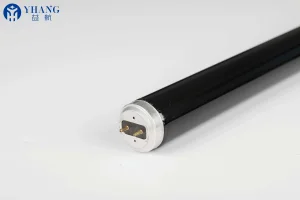
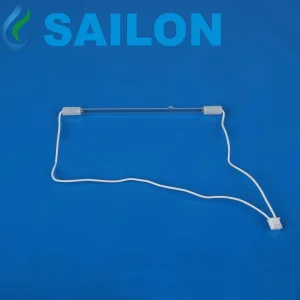
Full Spectrum Specialty UV Sources & Replacement Tubes
Discover our range of targeted industrial lighting, diagnostic lamps, and customized high-pressure photopolymer solutions built to meet global certifications.