Dextra Light
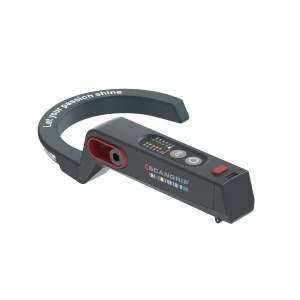
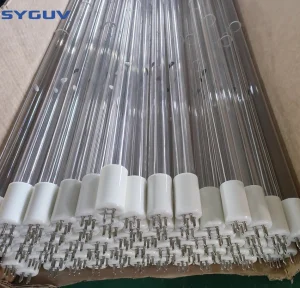
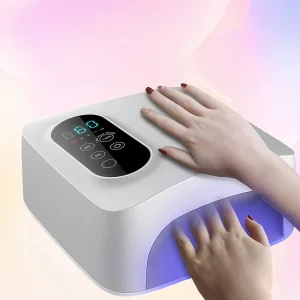
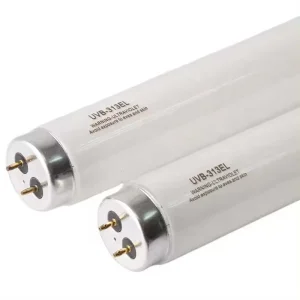
In modern manufacturing, sanitation, and curing processes, the deployment of ultraviolet radiation is no longer a matter of simple illumination; it is a science of exact radiometric dose control. Whether utilizing traditional low-pressure mercury vapor lamps, medium-pressure multi-wavelength systems, or next-generation solid-state UV LEDs, the degradation of UV output is an engineering certainty. Over time, factors such as solarization of quartz envelopes, particulate accumulation on protective sleeves, and the natural thermal decay of semiconductor junctions cause significant shifts in emission profiles.
As a premier OEM/ODM UV Intensity Monitors Factory & Exporter, we acknowledge that industrial operations cannot rely on guesswork. Inadequate UV-C intensity during sterilization leads directly to pathogenic survival; insufficient UV-A or UV-V dose in curing lines results in catastrophic delamination and adhesion failure. Real-time, continuous UV intensity monitors serve as the critical feedback loop, allowing control systems to dynamically adjust line speeds, drive currents, or trigger preventive maintenance routines before failure points are reached.
The Science of Information Gain in UV Applications
Our proprietary optical sensing elements employ solar-blind Silicon Carbide (SiC) and Gallium Nitride (GaN) photodiode configurations. Unlike standard silicon detectors which respond to broad spectral ranges and are susceptible to visual light interference, our custom-engineered sensors are tuned exclusively to target ultraviolet bands (e.g., 222nm Excimer, 254nm Mercury, and 365nm–405nm LED wavelengths), delivering unmatched signal-to-noise ratios and minimizing calibration drift.
Ultraviolet technology is a core pillar across numerous global supply chains. As regulatory frameworks tighten across North America, Europe, and the Asia-Pacific region, the validation of UV dose delivery has become a strict compliance mandate.
Wastewater & Ultra-Pure Water Treatment
Municipal water systems and semiconductor fabrication lines demand absolute validation. Continuous inline UV-C monitors confirm germicidal efficacy by accounting for water turbidity and quartz sleeve fouling in real time.
Advanced Electronics & PCB Lithography
In microelectronics, curing photoresists requires highly repeatable exposure energy (mJ/cm²). Our multi-channel radiometers track intensity profile across large exposure fields, guaranteeing uniform line widths.
HVAC, Air Purification & Bio-defense
With rising requirements for indoor air quality (IAQ) in hospitals and commercial spaces, airstream disinfection modules require integrated monitors to signal when lamp replacements are needed to maintain sterilization standards.
Our research and development program focuses on overcoming the limitations of conventional optical measurement. Standard photodetectors exposed to high-energy UV radiation (especially below 280nm) experience structural degradation over time, leading to sensitivity loss.
Next-Generation Solid-State Metrology
Our technical roadmap emphasizes the integration of Wide Bandgap Semiconductor materials. Silicon Carbide (SiC) elements provide natural solar blindness, eliminating the need for complex, degradation-prone optical bandpass filters. This increases sensor lifespan by up to 300% under continuous high-irradiance exposure.
Furthermore, we are actively implementing digital telemetry interfaces (RS-485 Modbus, CAN-bus, and 4-20mA analog loops) directly inside the sensor head. By digitizing the analog micro-ampere photodiode currents at the point of measurement, we eliminate signal degradation and electromagnetic interference caused by long cable runs in industrial environments.
Key Technology Milestones
- 2024: Mass production of Modbus-enabled digital smart sensors for 222nm Far-UVC excimer lines.
- 2025: Deployment of multi-spectrum array sensors for complex UV LED curing profiles.
- 2026: Integration of AI-driven predictive drift algorithms directly inside local edge-computing sensor units.
Established in March 2012, Zhongshan Dextra Lights Technology Co., Ltd. has grown to become an industry-leading private high-tech enterprise. Our core R&D personnel bring over 15 years of deep expertise in RGB display modules and UV technology. Driven by an initial capital investment of 10 million yuan, Dextra Lights has built a solid reputation for engineering depth and scalable production.
Highly Automated Production Lines
Our state-of-the-art facility features 4 automated production lines and 36 VPM high-speed placement SMT machines. This layout ensures high precision and throughput for both standard components and customized OEM/ODM builds. By maintaining absolute control over the electronic board assembly, sensor calibration, and casing sealing, we guarantee consistent quality for global buyers.
Our products find applications worldwide: advertising media, theatrical stages, shopping centers, airports, and water treatment facilities. Over 80 countries in Europe, America, the Middle East, Africa, and Southeast Asia rely on Dextra Lights' solutions. Last year alone, our UV division contributed to 37.8% of our total sales, achieving a segment growth rate of 9.2%.
OEM/ODM Customization Capability
We don't believe in one-size-fits-all solutions. Our team analyzes each client's specific application environment—taking into account operating temperatures, humidity, chemical exposure, and mounting restrictions—to customize the mechanical housing (such as IP68 submersible bodies), electrical outputs (4-20mA, RS485, etc.), and optical filters to deliver the best possible measurement accuracy.
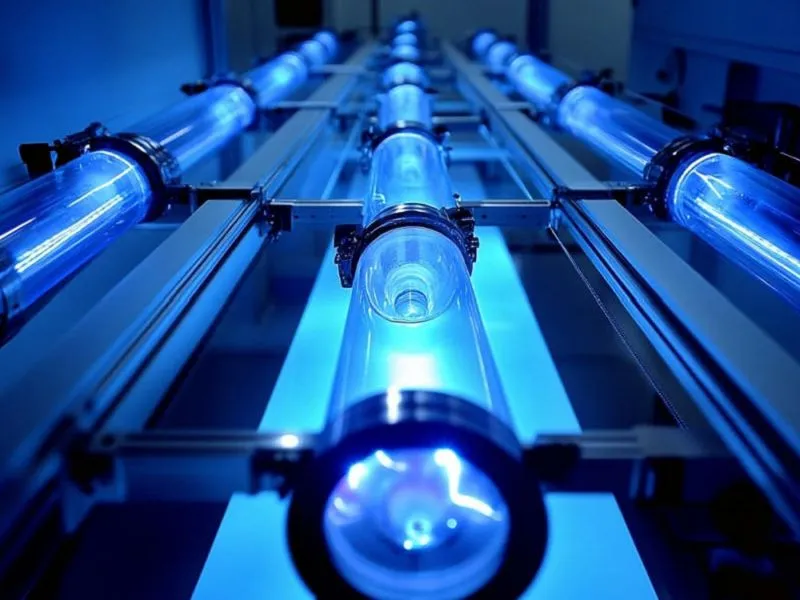
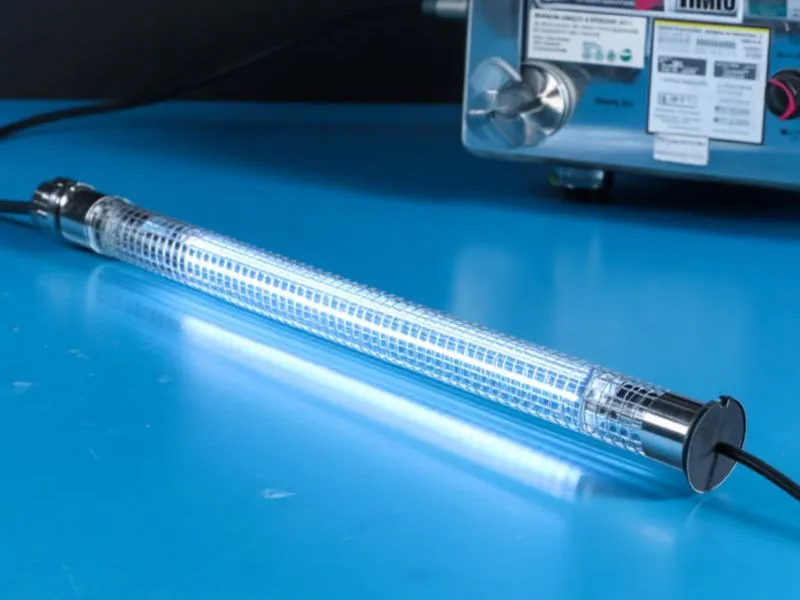
As a trusted international supplier, exporting to complex regulatory markets requires strict adherence to international safety and calibration standards. All our UV intensity monitors and sensor systems conform to the highest levels of global compliance.
CE & RoHS Compliance
Every batch of UV intensity monitors complies with European electromagnetic compatibility standards (EMC) and RoHS directives. This ensures safe integration into larger industrial panels without risking interference with neighboring electronics.
NIST Traceable Calibration
To satisfy stringent audit requirements in pharmaceutical and food processing fields, our factory-calibrated radiometers are fully traceable to NIST (National Institute of Standards and Technology) benchmarks, complete with individual calibration certificates.
Localized Calibration Services
Partnering with global distribution networks, we offer localized field-recalibration services. This minimizes production downtime by avoiding the logistics of shipping sensors back to our central facility.
Our operational model is designed around transparency and scalability, delivering solid reliability and engineering depth to our business partners.
Advanced Production
Equipped with 4 automated assembly lines and 36 SMT placement machines, we deliver high manufacturing precision and consistency across large volume orders.
Quality Assurance
We provide comprehensive inspection reports with every batch, ensuring transparency and ease of verification for quality control teams.
Global Export Reach
Serving over 80 countries, we maintain a reliable logistics chain and localized technical support network to ensure prompt delivery.
Tailored Solutions
We design specialized optical and mechanical configurations matching your operating parameters for optimal performance.
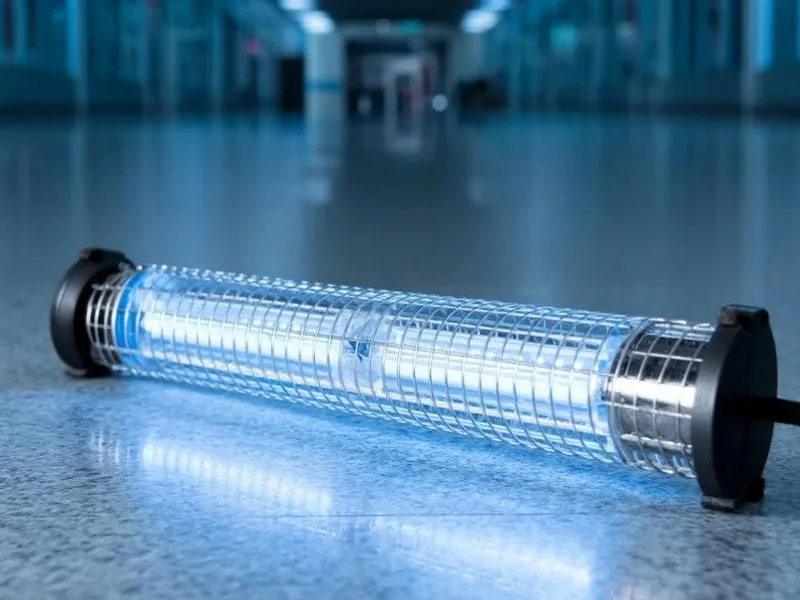
Get answers to common technical and integration questions about UV intensity monitoring and sensor technologies.
Q1: How do Silicon Carbide (SiC) detectors compare to Silicon (Si) photodetectors in UV intensity monitors?
Silicon Carbide (SiC) is a wide-bandgap material with a natural bandgap of 3.26 eV, making it unresponsive to wavelengths above 400nm. This eliminates the need for external blocking filters to block ambient light. Standard Silicon (Si) photodiodes detect a broad spectrum, meaning visual and infrared light can skew your UV readings. SiC sensors also feature high radiation hardness, displaying virtually zero degradation or solarization even under high-intensity, continuous UV-C radiation.
Q2: What is the recommended calibration cycle for continuous industrial UV intensity monitors?
For standard operating environments, we recommend an annual (12-month) recalibration schedule to ensure traceability. However, in extreme environments such as high-temperature UV curing ovens or high-dose wastewater systems with constant exposure, we suggest verifying or calibrating sensors every 6 months to guarantee compliance with EPA or FDA guidelines.
Q3: Can your OEM sensors be integrated directly into existing PLC networks?
Yes. Our ODM and OEM sensor lines support common industrial protocols, including standard 4-20mA current loops, 0-5V or 0-10V analog outputs, and digital RS-485 Modbus RTU. This allows direct connection to industrial PLCs (such as Siemens, Allen-Bradley, or Omron) without needing additional signal amplification modules.
Q4: How do you protect UV sensors from water ingress and chemical corrosion in water treatment systems?
Our inline sensors are housed in high-grade 316L stainless steel or PTFE bodies with quartz optical windows. They carry an IP68 ingress protection rating, allowing them to withstand high pressures and continuous immersion in corrosive or chemically active fluids.
Q5: What wavelengths can your monitors measure, and are they compatible with Far-UV 222nm?
We offer spectral options for UV-A (315-400nm), UV-B (280-315nm), UV-C (200-280nm), and vacuum/far UV bands. This includes specialized bandpass configurations for 222nm excimer lamps and standard 254nm low-pressure mercury sources, enabling highly accurate wavelength-specific measurements.