Dextra Light
Featured UV Disinfection Products for Mali's Infrastructure
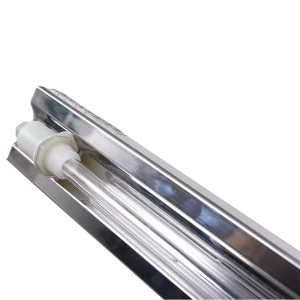
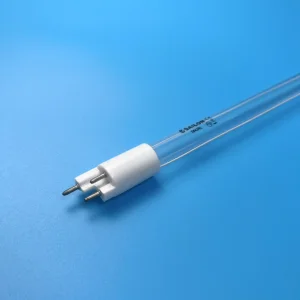
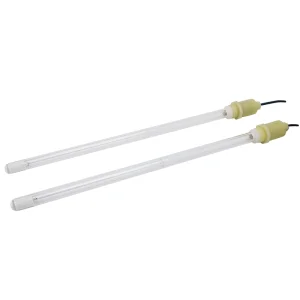
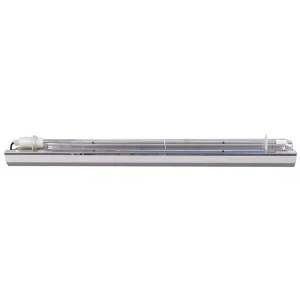
Engineered for extreme ambient temperatures, dust resistance (Harmattan season compliance), and unstable grid voltage scenarios commonly encountered in West Africa.
Mali Market Insights: Industrial & Commercial Demand for UV-C Technology
Understanding the unique environmental conditions, electrical constraints, and industrial requirements in West Africa.
Environmental Challenges & Mitigation: The Harmattan and Dust Resistance
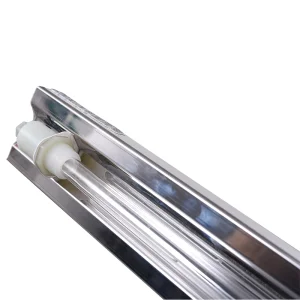
Mali experiences a distinct semi-arid and tropical climate, characterized by the dry, dust-laden Harmattan wind blowing from the Sahara Desert between November and March. For UV-C sanitizing equipment, particulate matter and fine dust act as a physical shield, absorbing and scattering germicidal UV radiation (particularly at the critical 254nm and 185nm wavelengths). To counter this, our quartz glass tubes are treated with a specialized low-affinity coating that repels dust settlement. Additionally, we guide local industrial buyers on establishing rigorous maintenance protocols using pure ethanol wipes to ensure consistent microwatt output ($uW/cm^2$).
Electrical Stability Solutions: Coping with Voltage Fluctuations in Bamako
Industrial clients in Mali's key zones—such as Bamako, Kayes, and Sikasso—frequently face load shedding and voltage spikes. Fluctuating voltage severely degrades traditional magnetic ballasts and reduces the life span of UV quartz lamps. Our technical team integrates high-efficiency electronic ballasts featuring wide-input voltage tolerance (110V-240V +/- 15%) and integrated thermal protection. For off-grid solar deployments in agricultural cooperatives, we offer specialized DC-ballasts compatible with 12V/24V solar setups to optimize energy efficiency without sacrificing sterilization dosage.
Water Treatment Demands in Urban and Rural Mali
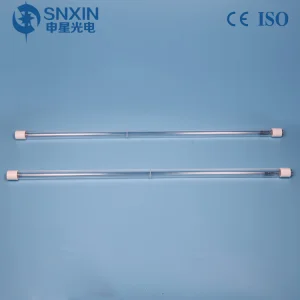
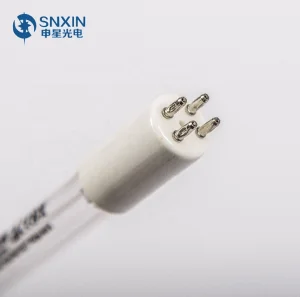
Access to potable water remains a key driver for UVC systems in West Africa. Our high-output germicidal lamps (generating 253.7nm light) serve as direct replacements for R-Can and Viqua systems used by NGOs, mining operations (especially in gold mining areas near Kayes), and local municipalities. These lamps efficiently neutralize waterborne pathogens, including Escherichia coli, Giardia lamblia, and Cryptosporidium, without leaving harmful chemical residues or altering the taste of the local water resources.
Why Partner With Us?
Zhongshan Dextra Lights Technology Co., Ltd. (established in March 2012) brings more than 15 years of R&D expertise in UV systems, backed by strong financial health and state-of-the-art facilities.
Advanced Production & Custom Engineering
Dextra Lights operates out of a modern 9,000-square-meter facility with an initial capital investment of 10 million yuan. Backed by 4 automated production lines and 36 VPM high-speed placement machines, we deliver high-precision manufacturing capable of scaling up for massive global orders.
Our multidisciplinary team of 120+ employees includes 10 top-tier technical and engineering elites from domestic and international markets. Over the last fiscal year, UV products accounted for 37.8% of our total sales volume, achieving a steady growth rate of 9.2%. Innovation is our primary driver, and we invest heavily in R&D to engineer custom UV-C solutions that address the specific logistical, electrical, and thermal conditions of developing markets like Mali.
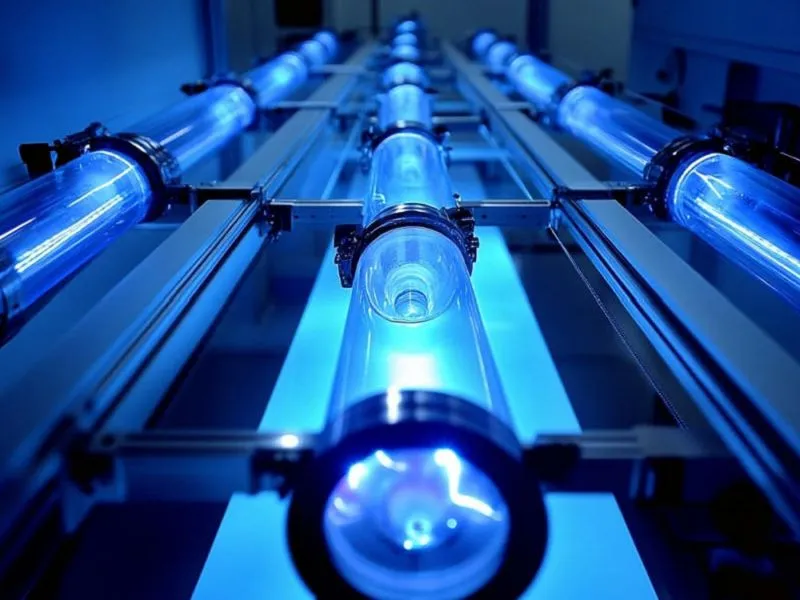
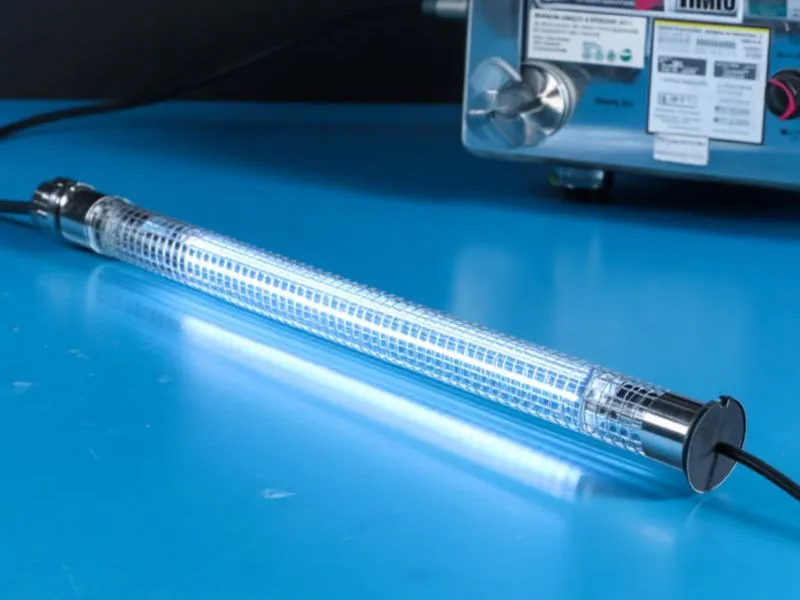
Technical Performance Specifications
Comparing our mercury-vapor and excimer UV products to ensure correct allocation in commercial, agricultural, and clinical installations.
| Sanitization Lamp Type | Primary Wavelength | Ideal Application in Mali | Expected Lifespan | Dust & Heat Sensitivity |
|---|---|---|---|---|
| Low-Pressure Amalgam (Quartz) | 253.7 nm (Ozone-free) | Municipal/Well Water Disinfection | 12,000 hrs | Moderate; Requires monthly cleaning. |
| High-Output Ozone Generating | 185 nm + 254 nm | Cold Storage Mold Mitigation (Mango/Meat) | 10,000 hrs | Low; Ozone overcomes direct shadow zones. |
| Far-UVC Excimer | 222 nm | Occupied Areas (Clinics, Airport Lounges) | 5,000 - 8,000 hrs | Very Low; Dry environments do not affect output. |
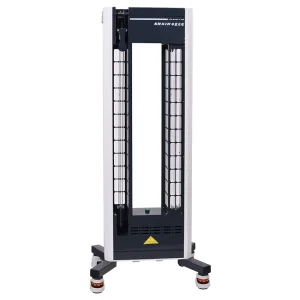
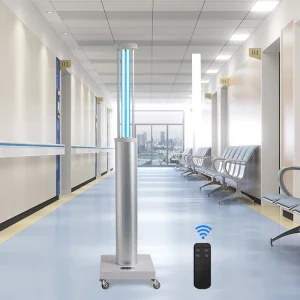
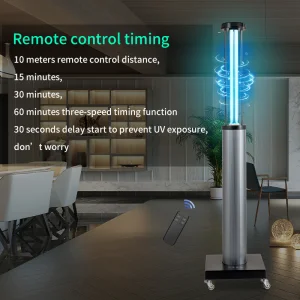
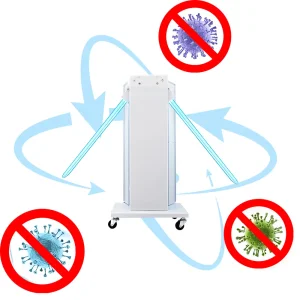
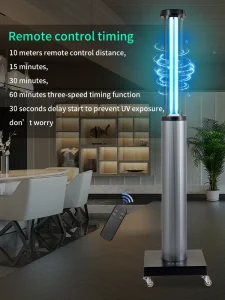
| Smart Radar UVC Carts | 253.7 nm | Hospital Wards & Hotels in Bamako | 10,000 hrs | Equipped with protective steel cages. |
Technical Note on Air Sanitation in Mali's High Humidity Zones
In the southern regions of Mali, including Sikasso, humidity levels rise drastically during the rainy season. This dampness encourages microbial and fungal growth on cooling coils inside commercial refrigerators and cold rooms. Utilizing our 185nm ozone-generating lamps helps break down volatile organic compounds (VOCs) and destroys spores in the air distribution systems, preventing mango spoilage and preserving agricultural exports.
Supply Chain, Compliance, and Local Logistics to Mali
Ensuring reliable transit, custom approvals, and operational compatibility in West African jurisdictions.
Import & Customs Compliance
We supply certificates of compliance (CE, RoHS, ISO9001) required for customs clearance at Mali port entry points (often transit through Port of Dakar, Senegal, or Port of Abidjan, Côte d'Ivoire). All documentation includes detailed HS Codes, origin declarations, and quartz glass transport certificates.
Breakage-Proof Packaging
Quartz glass lamps are inherently fragile. To withstand overland transit across unpaved regional routes in Mali, our shipments feature double-layered cylinder foam packaging, suspended inner boxes, and outer wooden crates marked with impact sensors.
OEM / ODM Capabilities
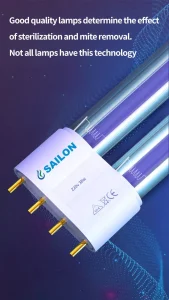
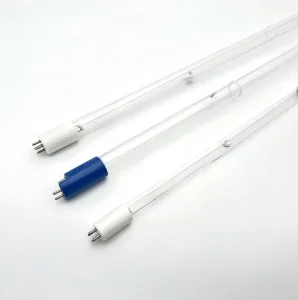
Dextra Lights specializes in custom lamp lengths, distinct pin configurations (4-pin single-ended, double-ended, or custom cap designs), and custom electrical ratings to seamlessly fit legacy equipment in Mali water processing facilities.
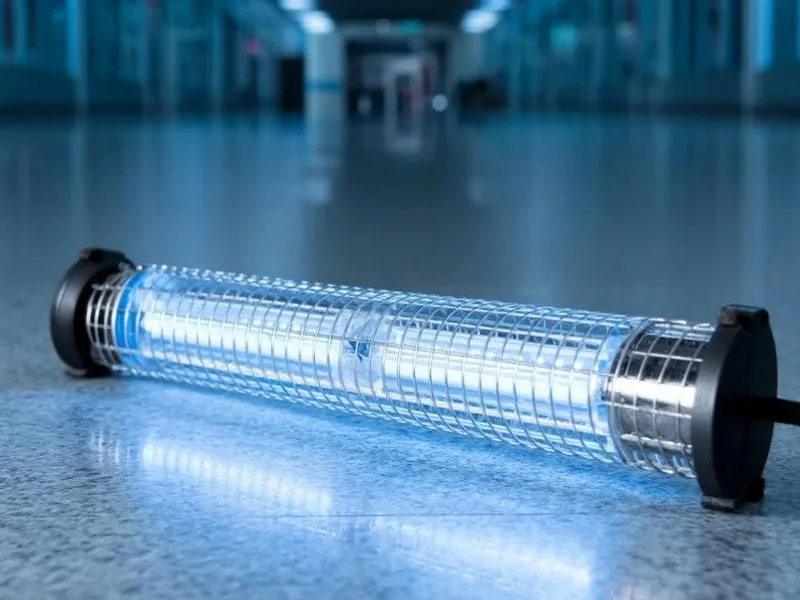
Our comprehensive UV range includes Indoor LED displays, Outdoor LED displays, UV disinfection lamps, maternal/infant disinfection products, pet disinfection/deodorization, UV semiconductors, UV air purification, and UV dust removal.
Frequently Asked Questions (FAQ)
Answers to critical installation, technical, and logistic questions regarding UV Sanitizing Lamps in West African markets.
Extended Range of UV-C Sanitizing Equipment
From portable industrial sanitizers to heavy-duty mobile carts for healthcare and hospitality sectors across Mali.