 Dextra Light
Industrial UV Disinfection Lamp & Trolley Showcase (Part I)
Explore our premium grade UV-C sterilization components, tailored replacements, and high-output configurations for air, surface, and water purification systems.
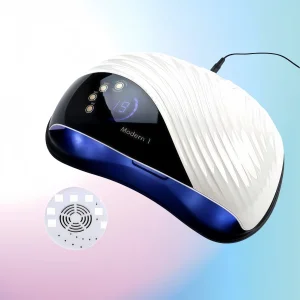
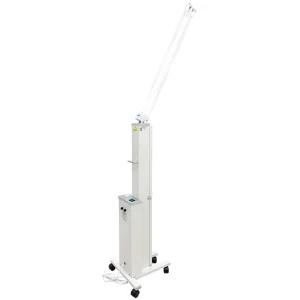
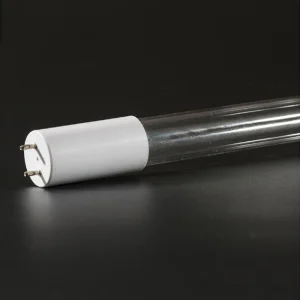
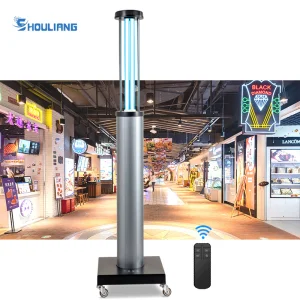
Zhongshan Dextra Lights: A Legacy of Optical Engineering & UV-C Innovation
Established in March 2012, Zhongshan Dextra Lights Technology Co., Ltd. has established a formidable footprint at the intersection of high-capacity optoelectronics and microbial disinfection systems. With an initial capital investment of 10 million yuan, our core R&D division consists of engineering veterans who have pioneered RGB display architectures and ultraviolet emitter designs for over 15 years.
Our expansive facility covers approximately 9,000 square meters in Zhongshan, housing more than 120 dedicated specialists. A well-equipped, state-of-the-art R&D complex alongside a modern production footprint supports our mission of deploying highly engineered, resilient disinfection apparatuses globally. Fueled by a continuous drive for product design validation, Dextra Lights possesses 50 domestic patents, underscoring our leadership within the high-complexity optical market.
During the fiscal year prior, our aggregated sales performance crested at RMB 270 million, with core ultraviolet solutions constituting 37.8% of the gross output, advancing at a year-on-year growth rate exceeding 9.2%. Our infrastructure comprises 4 automated production lines and 36 high-speed placement machines, validating our capabilities for reliable, high-volume production output.
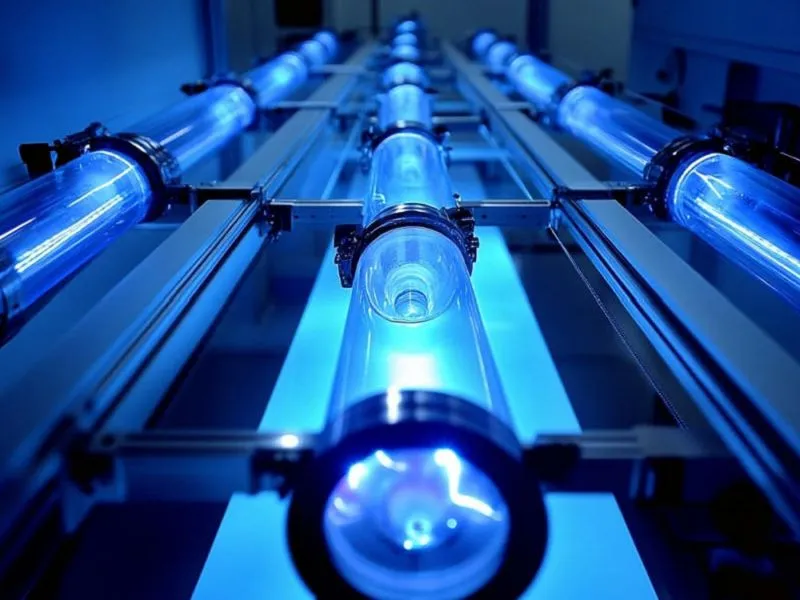
Why Global Procurement Leaders Choose Our UV Systems
A breakdown of our manufacturing competencies, global distribution footprint, and custom design capabilities engineered to maximize longevity and performance.
Advanced Production Capacity
Our facility houses 4 automated assembly lines combined with 36 high-speed placement machines, supporting highly accurate, scalable, and complex surface-mount technology (SMT) operations.
Quality Assurance & Metrology
Every production run undergoes strict optoelectronic and radiometer inspections, with batch-specific irradiance reports delivered directly to the importer.
80+ Global Sales Markets
Our compliance engineers support certification landscapes across Europe, America, the Middle East, Africa, and Southeast Asia, offering robust aftermarket technical resources.
Customized Solution Engineering
We analyze scenario-specific constraints—such as temperature variations, airflow kinetics, and safety limits—to deliver custom structural and electronic configurations.
Excimer UV-C and the Evolving Physics of Pathogen Eradication
Traditional ultraviolet germicidal irradiation (UVGI) primarily utilizes low-pressure mercury vapor technology to emit a narrowband wavelength at 253.7nm. While effective at deactivating microbial DNA/RNA, 254nm is hazardous to human skin and eyes, restricting its use to unoccupied rooms or shielded enclosures. As a premier manufacturer, Dextra Lights is expanding technology frontiers by integrating far-UVC excimer technologies alongside traditional mercury-amalgam structures.
Excimer light systems generate shortwave UV light utilizing noble gas halide compounds (typically Krypton-Chloride, KrCl), emitting a primary peak at 222nm. At this wavelength, light possesses high absorption in proteins and bio-matter, meaning it cannot penetrate the dead cell layer (stratum corneum) of human skin or the tear layer of eyes. This provides a safe, ozone-free method for real-time surface and air decontamination in occupied spaces, creating new applications for school classrooms, busy offices, and transit hubs.
- Spectral Precision: 253.7nm mercury amalgam emitters and 222nm KrCl excimer modules provide targeted, efficient pathogen inactivation.
- Subzero Reliability: Specialized ballasts and customized fixtures keep output strong in cold storage and refrigeration environments.
- Structural Durability: Engineered with 304/316 grade stainless steel and high-transmittance quartz sleeves to resist long-term UV-C degradation.
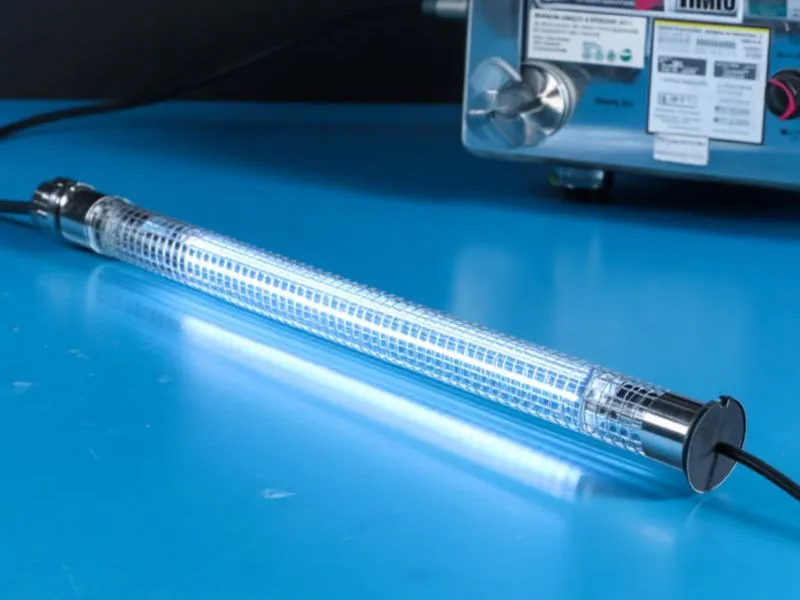
Macro-Disinfection Solutions & Localized Application Scenarios
Modern commercial and healthcare facilities face unique layout and occupant challenges that require customized, mobile sterilization equipment rather than fixed static fixtures. Understanding these diverse operating environments helps us design robust solution architectures for global markets:
1. Industrial Cold Storage & Food Logistics
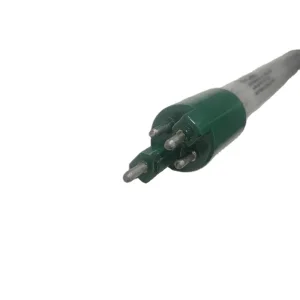
Low-temperature environments inhibit standard mercury lamp performance, as cold temperatures lower the inner mercury vapor pressure and can reduce UV-C output by up to 70%. Dextra Lights designs specialized 80W and 150W low-temperature, high-output lamps fitted with thermal management systems to deliver strong UV-C output even at -20°C. This makes them ideal for treating cold-chain transit cases, processing areas, and cold storage units.
2. Clinical Settings and Non-Magnetic Environments
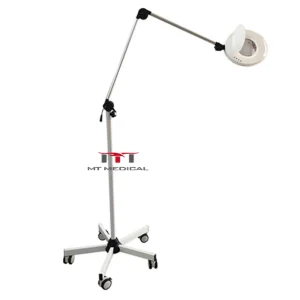
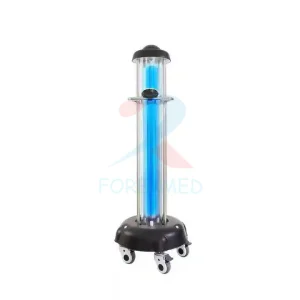
Intensive care units, operating rooms, and diagnostic suites need deep, reliable disinfection systems that can safely navigate around sensitive medical equipment. We supply specialized non-magnetic UV sanitizing carts for MRI rooms, avoiding ferromagnetic materials to prevent equipment damage. Heavy-duty adjustable brackets allow the light arrays to fold or position near high-touch patient surfaces, maximizing direct line-of-sight exposure.
3. Commercial HVAC and Duct Integration Systems
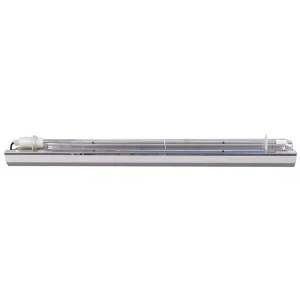
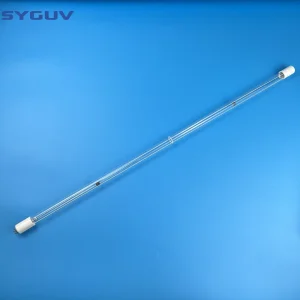
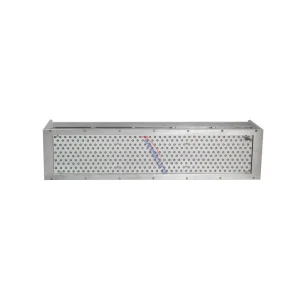
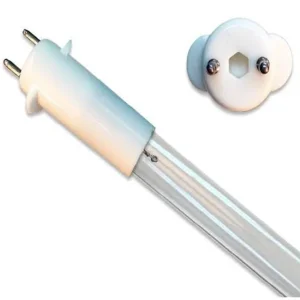
In-duct UV germicidal irradiation (UVGI) acts as a powerful barrier against airborne mold spores, viruses, and bacteria. Our 61-inch high-output lamps (up to 150W) are designed for installation within large-volume commercial air handlers, working continuously to prevent bio-film buildup on cooling coils and keep indoor air clean.
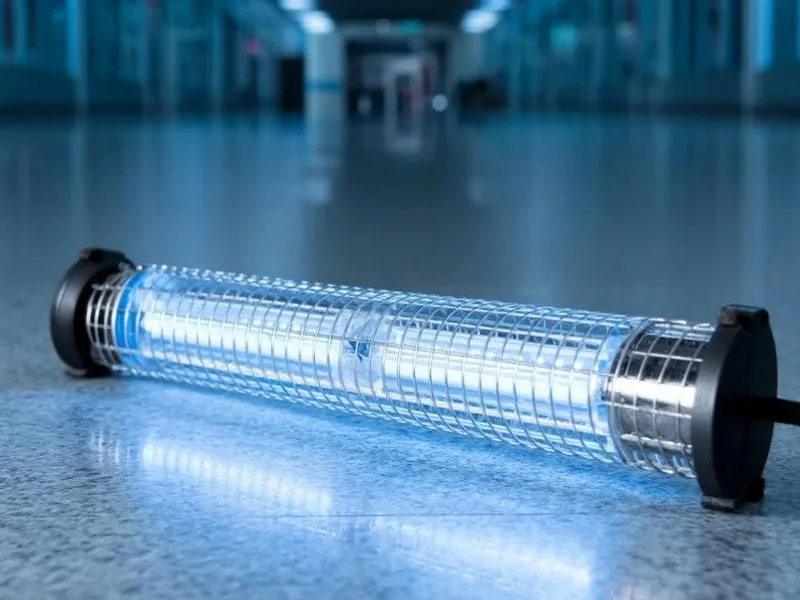
Global Procurement: Quality Verification and Supply Chain Strategy
Procuring UV-C sterilization systems at scale requires careful checking of regulatory and electrical specifications. Importers and distributors must evaluate several key performance details before making volume commitments:
Electrical Standards
Verify that voltage and frequency configurations match your destination country (e.g., 110V/60Hz for North America; 220V/50Hz for Europe). High-frequency electronic ballasts should include overcurrent, overvoltage, and open-loop protection.
UV-C Safety Controls
Look for integrated safety features such as PIR motion sensors, audible startup alarms, delayed starts, and remote wireless controls. These features prevent accidental exposure by automatically shutting off the system if someone enters the room.
Ozone Generation
Depending on local regulations, choose ozone-free lamps (made with doped quartz glass that filters out the 185nm ozone-producing wavelength) or ozone-generating lamps for deeper odor removal and hard-to-reach spaces.
Technological Trends Shaping the Future of UV-C Sanitization
The ultraviolet decontamination industry is moving from simple manual fixtures to smart, connected, and multi-wavelength disinfection ecosystems. Key trends driving the next generation of UV-C hardware include:
- High-Density UV-C LED Chips: While gas-discharge mercury lamps remain the standard for high-wattage needs, UV-C LEDs are improving in wall-plug efficiency, running cooler and lasting longer for precise surface treatments.
- Smart IoT Control: Modern systems integrate Wi-Fi, Bluetooth, or Zigbee modules, letting fleet managers monitor runtime, track lamp life, and view diagnostic logs remotely from a central control room.
- Hybrid Disinfection Systems: Combining UV-C lamps with HEPA filtration, photocatalytic oxidation (PCO), or high-output carbon filters provides a multi-stage cleaning approach that controls air, odor, and surface pollutants.
Technical FAQ: UV Trolley Sterilizers & Systems
Clear, direct answers to common questions about engineering, safety, and purchasing UV disinfection equipment.
Industrial UV Disinfection Lamp & Trolley Showcase (Part II)
Explore our advanced UV-C systems, water treatment components, and custom replacement bulbs designed for high-performance municipal, commercial, and industrial facilities.
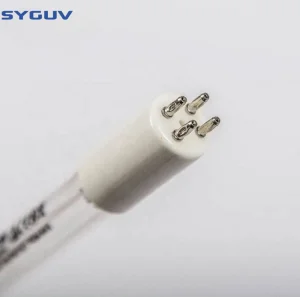
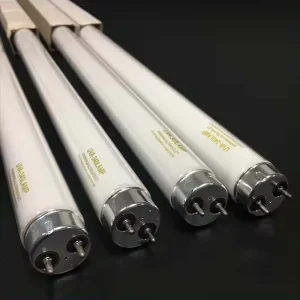
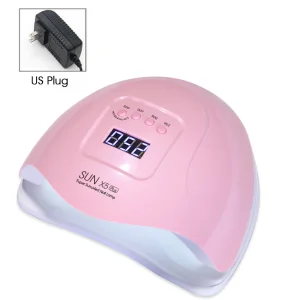
Complete Portfolio: Adapting Optoelectronic Science to Industrial Sanitation
At Zhongshan Dextra Lights Technology Co., Ltd., our engineering scope extends beyond mobile trolley configurations to include a comprehensive suite of optical emission products. By applying our deep optoelectronics expertise to various environmental and manufacturing challenges, our product portfolio is grouped into several key applications:
- Visual Solutions: Indoor and outdoor high-resolution LED displays, designed to perform reliably in demanding commercial environments.
- Medical and Surface Decontamination: Clinical-grade UV disinfection lamps, mobile sanitizing carts, and consumer/maternal sanitization products.
- Specialized Consumer Sanitation: Specialized pet sterilization and odor-removal solutions, along with safe home sanitizing lamps.
- Industrial & Infrastructure Engineering: High-power UV curing systems, semiconductors, heavy-duty air purification systems, and industrial dust control equipment.