Dextra Light
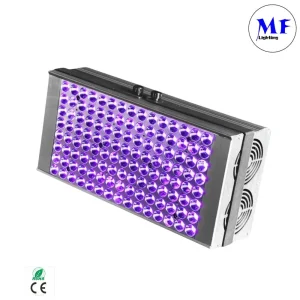
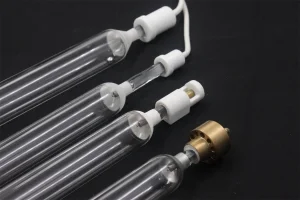
Our Featured Optical & UV Disinfection Hardware
The Strategic Rise of Smart UV Sanitizing Boxes
In an era defined by heightened biosafety regulations and strict hygiene compliance across healthcare, manufacturing, and consumer sectors, physical sanitization has experienced a profound digital shift. The legacy approach of open-room air disinfection and manual solvent wipe-downs is increasingly replaced by enclosed, automated, and intelligent containment systems. Globally, Smart UV Sanitizing Boxes have transitioned from simple UV-C light containers to sophisticated IoT-connected appliances that guarantee measured germicidal dosages without posing risks to operators.
The primary catalyst behind this transformation is the need to eliminate human error while maintaining high throughput. By sealing pathogens within a highly reflective chamber, smart UV chambers avoid the typical occupational hazards associated with direct UV exposure. These devices calculate the precise optical dose required to disrupt the DNA/RNA of targeted micro-organisms, achieving Log-4 (99.99%) or higher reduction rates in mere seconds.
Macro Industry Indicators
- Medical and Lab Settings: Accelerating deployment of smart boxes to sanitize high-touch diagnostic equipment, stethoscopes, surgical tablets, and reusable personal protective equipment (PPE).
- Semiconductor & Cleanrooms: Enclosed UV environments deployed to clean precision micro-components and eliminate organic residue without water or chemical solvents.
- Maternal & Childcare Retail: Consumer demand shifting toward high-end, intelligent sterilization units for baby bottles, toys, and tableware.
- Aerospace & Hospitality: Rapid disinfection cycles for customer gadgets, keycards, and in-flight communication devices.
Optical Technology & Hardware Architecture
A professional-grade smart UV sanitizing chamber is a synergy of fluid dynamics, optics, electronics, and sensor feedback loops. Below is the technical breakdown of the systems deployed by state-of-the-art manufacturers to achieve consistent sanitization.
Advanced Wavelength Spectra
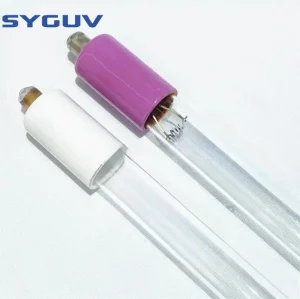
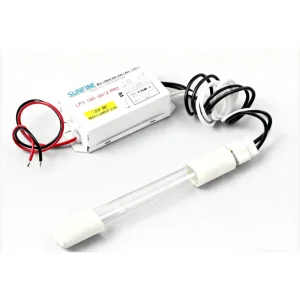
Sterilization relies on precise peak wavelengths. While low-pressure mercury vapor lamps provide a solid 253.7nm output, solid-state UV-C LEDs operate between 265nm and 280nm, directly overlapping the peak DNA absorption spectrum of micro-organisms. Newer 222nm Excimer light technology offers safe, human-tolerable disinfection without compromising skin or ocular structures.
Reflective Chamber Physics
Unreflected UV radiation leaves shadowed regions unsterilized. Incorporating high-purity mirror reflectors, diffuse aluminum panels, or quartz sleeves ensures that UVC rays bounce and penetrate every crevice. A turbo array mirror reflector system increases localized optical intensity by up to 300% for rapid 1-3 second cycles.
Sensory & Control Logic
Smart integration utilizes real-time UVC radiometer sensors inside the chamber to measure degradation and calibrate exposure times automatically. Safety interlock switches prevent accidental activation, while integrated air-purification filters remove ozone byproduct in legacy excimer systems.
Zhongshan Dextra Lights Technology Co., Ltd.
Established in March 2012, Zhongshan Dextra Lights Technology Co., Ltd. represents the peak of high-end optical engineering. With our key R&D team boasting over 15 years of continuous experience in the RGB display and ultraviolet industries, we have built a powerful private high-tech enterprise specializing in multi-purpose LED displays, excimer UV lamps, and custom smart sanitizing enclosures.
Supported by robust capital and deep technical backgrounds, the company's initial investment of 10 million RMB has expanded into a state-of-the-art facility spanning 9,000 square meters. Operating with more than 120 skilled staff and a dedicated elite R&D group of 10 professional domestic and overseas engineers, we focus heavily on the structural and electronic optimization of high-performance UV devices.
We manage 4 automated production lines and 36 high-speed placement machines, supporting a broad sales and service network in over 80 countries. Last year, our sales hit RMB 270 million, with UV products accounting for 37.8% of this total, experiencing a 9.2% annual growth rate. Dextra holds 50 patents in China, showing our long-standing commitment to continuous technical innovation.
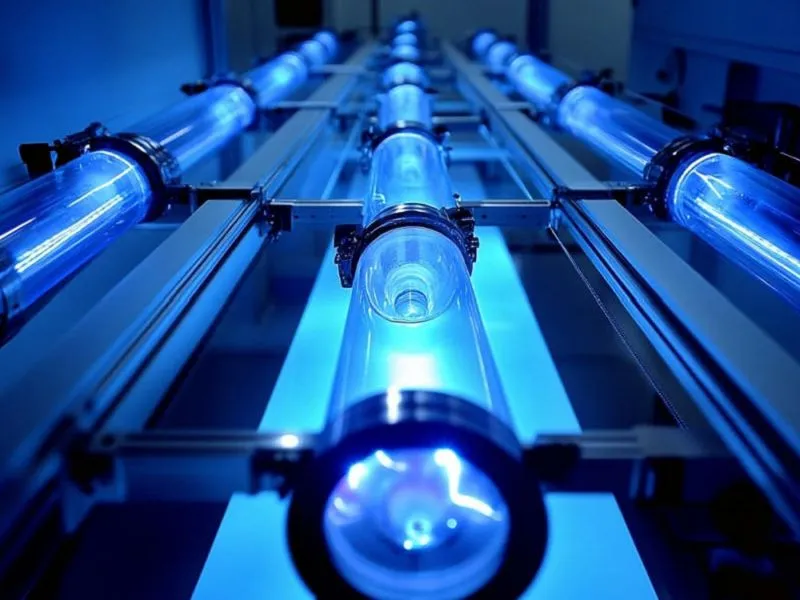
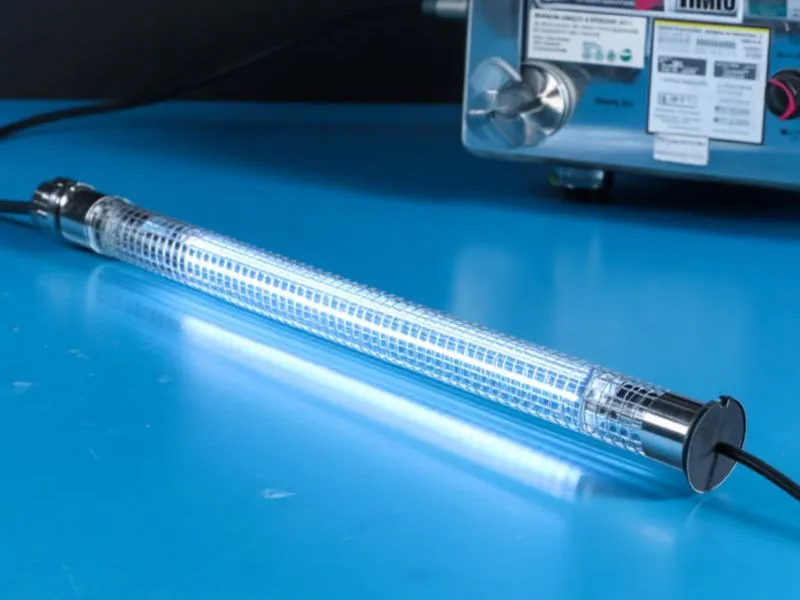
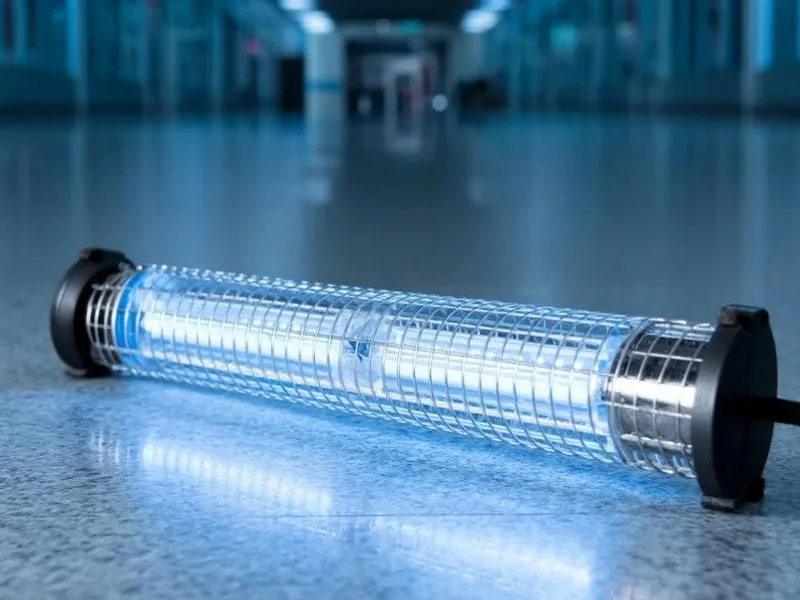
Our State-of-the-Art Factory & Labs
Why Global Procurement Directors Choose Us
From our engineering center in Zhongshan, we service municipal, commercial, industrial, and consumer markets. We analyze each client's specific application scenario and business goal to design tailored solutions that deliver maximum value and efficiency. Our core product portfolio spans: Indoor & Outdoor LED Displays, UV Disinfection Lamps, Maternal and Infant Disinfection Products, Pet Disinfection/Deodorization Devices, UV Semiconductors, UV Air Purification Systems, and Industrial UV Dust Removal equipment.
Targeted UV-C Integration Solutions
Different applications require specific technical parameters. Standardizing optical power, mechanical design, and sensor settings ensures optimal performance and safety.
Healthcare & Clinical Operations
In medical facilities, sanitization errors lead directly to healthcare-associated infections (HAIs). Our clinical-grade smart boxes provide 253.7nm and 222nm hybrid illumination to sterilize non-invasive instruments in 30-second cycles, offering reliable validation data for hospital audits.
OEM/ODM Consumer Appliance Brands
From maternal bottle sterilizers to pet deodorization boxes, we provide custom design services (ODM) that fit stylish housings. We integrate low-power, high-durability UVC LED arrays with micro-switches and smart safety sensors to ensure safe home operation.
Industrial & Semiconductor Processors
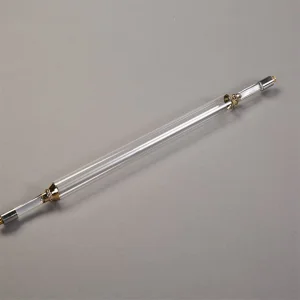
For cleanrooms and factory settings, our high-power UV curing and disinfection systems use large-format mercury and LED lamps with turbo reflectors. These configurations remove organic coatings and cure materials in 1 to 3 seconds, keeping high-speed assembly lines moving.
Strategic Procurement Standards for Smart UV Containers
When sourcing smart UV sanitizing chambers at scale, buyers should evaluate key safety and technical parameters rather than looking at price alone. Ineffective UV devices risk incomplete sterilization, leading to potential bio-hazards.
- Dose Validation ($mJ/cm^2$): Ensure the manufacturer provides verified testing data detailing the spatial uniformity of the optical field inside the chamber.
- Peak Emission Integrity: Verify that the UV LEDs or excimer lamps emit light at the correct wavelength (e.g., 253.7nm or 260-280nm) and are not cheap, ineffective blue LEDs.
- Safety Certifications: Equipment must carry international safety markings (CE, FCC, RoHS, EPA registration) and feature automatic shut-off safety switches.
- Material Resilience: Chamber interiors must be built with UV-resistant materials (like 304 stainless steel or specialized anodized aluminum) that do not degrade or yellow under intense exposure.
The Formula for Sterilization Success
Efficacy is calculated as:
To kill 99.9% of resilient viruses, a smart UV box must deliver a target dose of 10 to 40 mJ/cm² across all surfaces. A premium reflective interior is critical to maintaining high irradiance and preventing shadowed areas.
Technical FAQ: Smart UV Sanitizing Boxes & Components
Industrial UV Lamps & Specialized Germicidal Hardware