 Dextra Light
Precision UV & Photonic Emitter Solutions
Explore our engineered specialized ultraviolet components, high-output mercury, amalgam, and pulsed light assemblies designed for demanding industrial applications.

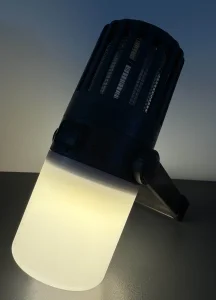
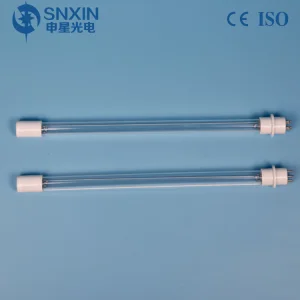
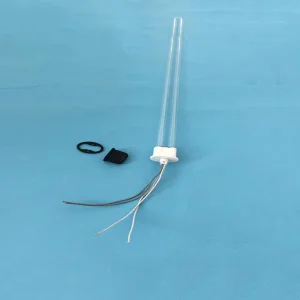
The Paradigm Shift: Pulsed UV Light Technology vs. Continuous Mercury UV
In modern industrial decontamination, advanced chemical synthesis, and high-speed packaging line sterilization, traditional continuous mercury-vapor UV lamps are increasingly constrained by thermal dissipation limits, mercury environmental regulations (Minamata Convention), and slow pathogen inactivation kinetics. As global manufacturing demands higher throughput, energy efficiency, and non-thermal processing, Pulsed UV Light Systems (also designated as Pulsed Xenon Light or High-Intensity Photonic Systems) have emerged as the paramount technological benchmark.
Unlike continuous-wave (CW) UV systems that rely solely on 254 nm germicidal action to induce pyrimidine dimerization in cellular DNA, Pulsed UV Light systems emit a ultra-broadband spectral burst stretching from deep ultraviolet (200 nm UVC) through visible light (400-700 nm) into the near-infrared spectrum (up to 1100 nm). This polychromatic, high-fluence radiation operates through a multi-target inactivation mechanism combining photochemical DNA damage, photothermal lysis, and structural protein rupture driven by extreme peak power density ($W/cm^2$).
Physics of High-Intensity Pulsed Xenon Decontamination
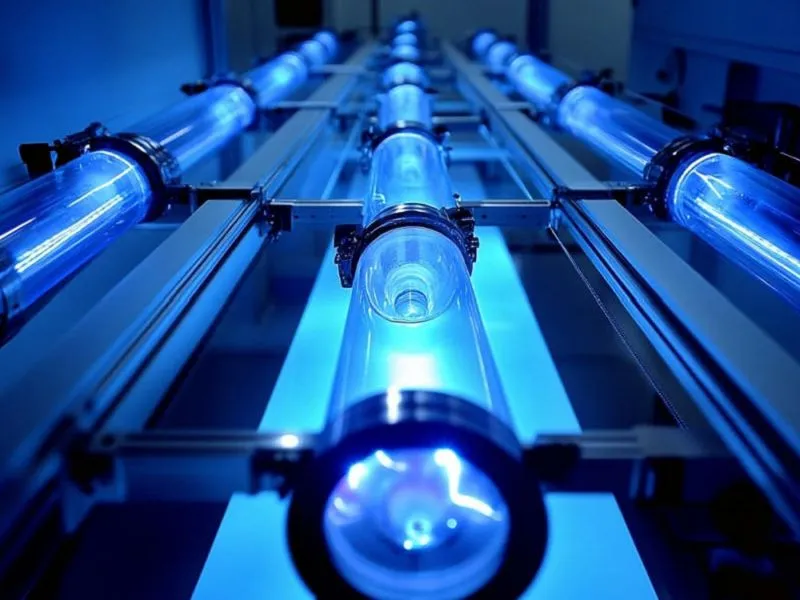
To understand the engineering superiority of custom OEM/ODM Pulsed UV Light Systems, one must examine the fundamental electrical-to-optical transformation taking place within xenon flashlamp envelopes. The core system architecture converts electrical energy stored in high-voltage capacitor banks into instantaneous, high-current arc discharges through high-purity synthetic quartz flashlamps loaded with inert xenon gas.
1. Photochemical Action
The high-energy UVC portion of the pulse (200 nm to 280 nm) induces irreversible cross-linking of thymine and cytosine bases in microbial DNA/RNA. Because the photon flux density is orders of magnitude higher than continuous lamps, single-pass nucleic acid disruption occurs instantaneously, preventing repair enzymes (photolyase) from reactivating the organism.
2. Photothermal Rupture
When intense pulses ($>0.5\ J/cm^2$) are delivered in microsecond bursts, localized energy absorption by microbial cell walls creates a transient micro-scale temperature differential. The rapid heating causes localized thermal expansion of intracellular water, exceeding cellular tensile limits and inducing structural cell membrane lysis.
3. Photophysical Structural Overload
The ultra-high peak electrical power output (often reaching megawatts per discharge pulse) generates strong transient electromagnetic fields and localized shockwaves within exposed micro-surfaces. This photophysical force destabilizes protein capsids, viral envelopes, and fungal spore coats that typically resist continuous standard low-power UVC radiation.
Comprehensive Technology Comparison Matrix
| Performance Parameter | Pulsed UV Systems (OEM Flashlamp) | Low-Pressure Mercury UV | Medium-Pressure Mercury UV | UVC LED Arrays |
|---|---|---|---|---|
| Peak Power Density ($W/cm^2$) | Very High ($1,000 - 10,000+ W/cm^2$) | Low ($0.1 - 0.5 W/cm^2$) | Moderate ($1 - 10 W/cm^2$) | Moderate ($1 - 5 W/cm^2$) |
| Spectral Range | 200 nm – 1100 nm (Broadband) | 254 nm Monochromatic | 200 nm – 400 nm Polychromatic | Narrowband (e.g., 265 nm or 275 nm) |
| Heat Transfer to Substrate | Extremely Low (Cold Pulses) | Low to Moderate | Extremely High (Requires Cooling) | Low (Substrate side) |
| Treatment Time Required | Microsecond to Millisecond | Seconds to Minutes | Seconds | Seconds |
| Environmental Compliance | 100% Mercury-Free (RoHS/WEEE) | Contains Toxic Mercury | Contains Toxic Mercury | Mercury-Free |
| Warm-up / Warm-down Time | Instantaneous (0 Seconds) | 3 – 5 Minutes Warm-up | 5 – 10 Minutes Warm-up | Instantaneous |
About Zhongshan Dextra Lights Technology Co., Ltd.
As a premier high-tech enterprise, we bridge cutting-edge optical engineering with mass OEM/ODM manufacturing capability for global Fortune 500 partners and industrial machinery integrators.
Engineering Precision & R&D Backbone
Established in March 2012, Zhongshan Dextra Lights Technology Co., Ltd. represents the pinnacle of optoelectronic and specialized lamp production. Our core R&D personnel bring over 15 years of continuous expertise in advanced RGB photonics and high-output UV industry engineering. Supported by an initial capital investment exceeding 10 million RMB, our modern industrial complex spans approximately 9,000 square meters.
With a dedicated workforce of over 120 skilled personnel, a fully equipped large-scale R&D center, and a modern manufacturing infrastructure, we maintain rigorous quality controls backed by 10 senior technical engineering elites recognized both domestically and internationally.
Automated Manufacturing Lines & Global Footprint
Our state-of-the-art production floor operates 4 fully automated production lines alongside 36 VPM high-speed placement machines, enabling unparalleled scalability, surface-mount precision, and high-volume output with micro-level tolerance guarantees.
Last year, our total corporate sales volume reached RMB 270 million, with specialized UV phototherapy, curing, and sterilization systems accounting for 37.8% of total volume (achieving an annual growth rate exceeding 9.2%). Driven by persistent innovation, Dextra Lights holds 50 intellectual property patents in China and serves OEM/ODM clients across 80+ countries in Europe, the Americas, the Middle East, Africa, and Southeast Asia.
OEM/ODM Customization Process for Industry Integrators
We specialize in standard module modification as well as ground-up custom engineering tailored to your machine's mechanical footprint, electrical supply, optical target geometry, and compliance requirements.
Phase 1: Optical & Thermal Simulation
Utilizing advanced Ray-Tracing optical software (Zemax) and Finite Element Analysis (FEA), we model radiant fluence distribution ($J/cm^2$) across target planes to eliminate shadow zones, optimizing reflector profiles (parabolic, elliptical, or custom linear focusing).
Phase 2: Power Electronics Engineering
Customization of Solid-State Pulsed Power Units (PPU), high-voltage capacitor charging modules, and programmable IGBT switching logic. Precise control over pulse width (100–500 µs), pulse repetition frequency (1–100 Hz), and peak discharge currents.
Phase 3: Integration & Safety Housing
Enclosure custom design featuring high-grade stainless steel (304/316L) or anodized aircraft-grade aluminum. Integration of active liquid-to-air cooling jackets, high-durability synthetic quartz windows, and EMI/RFI suppression shielding.
Available OEM Modules & Subsystems:
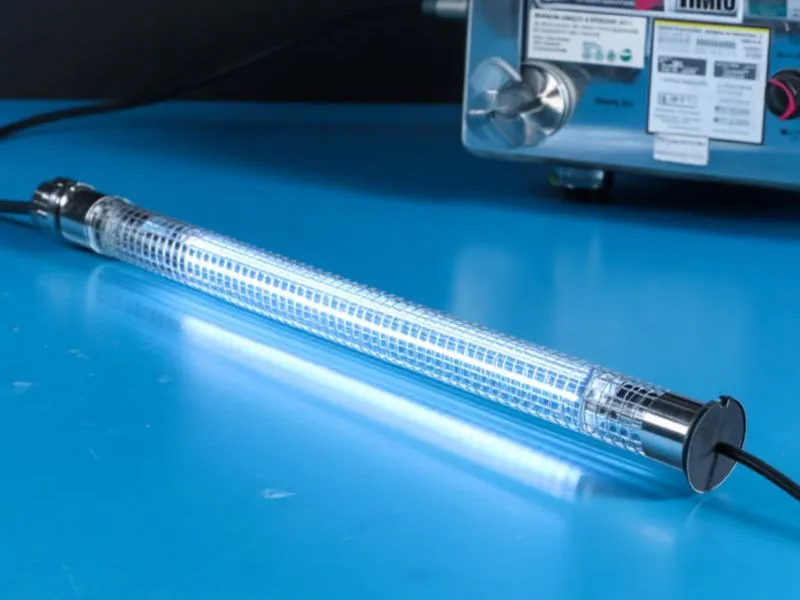
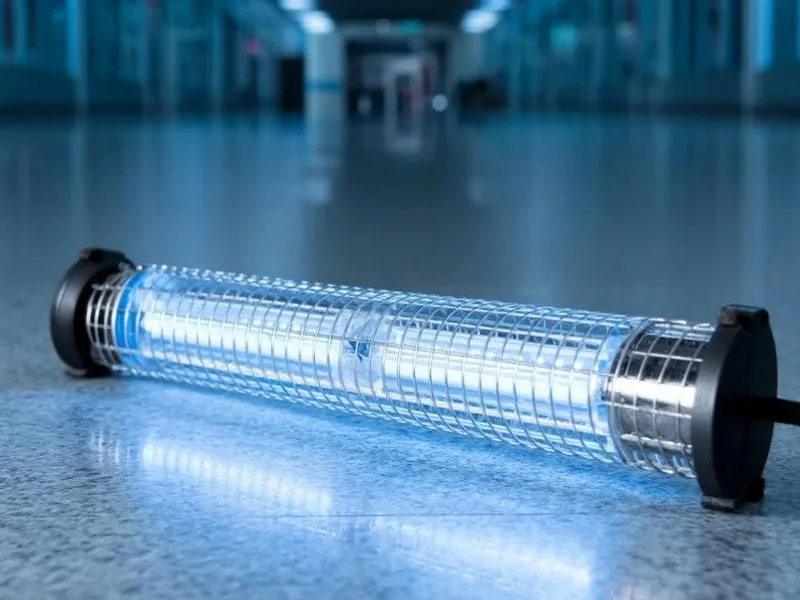
- Linear Pulsed Xenon Lamp Housings: Effective exposure widths from 100mm to 1800mm.
- Flexible Fiber-Optic & Lightguide Couplers: Target localized internal lumens, medical catheters, or small cavities.
- PLC & RS485/Modbus Controls: Real-time feedback for energy per pulse, lamp temperature, and flash cycle counts.
- Dual-Action Cooling: Forced air convection or closed-loop liquid chilling for 24/7 continuous industrial production lines.
High-Impact Industrial Applications Across Global Markets
Our engineered UV and Pulsed Light architectures deliver rapid, chemical-free performance across critical industrial sectors globally.
1. Food & Beverage Aseptic Packaging
Rapid inline decontamination of bottle caps, preforms, foil seals, and Tetra-Pak cartons. High-intensity pulsed light achieves a >4.5 Log reduction of bacterial spores (e.g., Bacillus subtilis, Clostridium botulinum) in under 0.2 seconds without thermal deformation of thin-walled PET plastic structures.
2. Pharmaceutical Cleanrooms & Isolators
Surface sterilization for barrier isolation systems, transfer hatches, and glass vial processing. Replaces vaporized hydrogen peroxide (VHP) in applications requiring rapid cycle times, zero chemical residues, and instant validation via integrated UV radiometers.
3. Semiconductor & Optoelectronics Curing
Ultrafast light-curing of specialized optical adhesives, photoresists, and protective coatings. Microsecond pulses provide high peak photon density that initiates rapid polymer crosslinking with negligible heat transfer to delicate silicon dies or flexible OLED substrates.
4. Advanced Water & Process Fluid Sterilization
Disinfection of ultra-pure water systems in semiconductor fabs and pharmaceutical compounding. High-intensity UV eliminates persistent organisms, Cryptosporidium oocysts, and Giardia cysts resistant to standard chemical chlorination.
International Regulatory Compliance & Quality Engineering
Deploying equipment globally requires uncompromising adherence to electrical safety, optical radiation hazards, and manufacturing quality metrics.
ISO 9001:2015 & ISO 13485
Our manufacturing facilities adhere to strict Quality Management System (QMS) frameworks. Every production lot undergoes automated component inspection, high-voltage flash stress tests, and optical spectral distribution validation.
Photobiological Safety (IEC 62471)
Systems engineered with integrated interlocks, optical shielding enclosures, and spectral emission reporting compliant with IEC/EN 62471 standard safety assessments for actinic UV hazards.
CE, UL, & RoHS Compliance
Fully certified under Low Voltage Directive (LVD 2014/35/EU), Electromagnetic Compatibility (EMC 2014/30/EU), and compliant with global environmental regulations eliminating heavy metals.
Technology Roadmap (2025 – 2030): Next-Gen Photonic Engineering
Staying ahead of industrial automation trends requires continuous innovation in solid-state electronics, lamp chemistry, and AI-driven control loop sensors.
1. Solid-State Hybrid Drivers
Integration of Wide-Bandgap GaN (Gallium Nitride) and SiC (Silicon Carbide) power switches into capacitor discharge circuits, enabling pulse repetition frequencies up to 500 Hz with 96% electrical conversion efficiency.
2. AI-Assisted Radiometric Closed-Loops
In-situ spectroradiometer sensors feeding real-time fluence measurements to AI edge algorithms. The system automatically adjusts voltage pulse amplitude to guarantee continuous dosage despite lamp lumen aging or conveyor speed fluctuation.
3. Far-UVC Excimer Integration (222 nm)
Expanding our OEM product matrix to include krypton-chloride (KrCl) excimer technologies, offering human-safe filtered 222 nm far-UVC for continuous occupied space air and surface disinfection.
Frequently Asked Technical Questions (FAQ)
Expert technical answers for procurement engineers, system architects, and OEMs evaluating Pulsed UV integration.
How does Pulsed UV light achieve 6-Log pathogen inactivation so much faster than continuous UV lamps?
Pulsed UV delivers concentrated energy in microsecond bursts. Peak instantaneous power can exceed several megawatts ($W/cm^2$), compared to continuous lamps operating at tens of watts. This high photon flux density causes simultaneous photochemical DNA cleavage and localized photothermal stresses, bursting cell walls before the microorganism can engage photoreactivation repair mechanisms.
What is the typical operating lifespan of a high-intensity xenon flashlamp?
Industrial xenon flashlamps engineered by Zhongshan Dextra Lights are rated for between 10 million to 50 million pulse flashes, depending on operating energy density per pulse ($J/cm^2$), cooling efficiency, and pulse repetition frequency. Power supplies track flash counts automatically for predictive maintenance scheduling.
Will Pulsed UV light thermal exposure damage heat-sensitive plastic packaging (e.g., thin PET bottles)?
No. Because pulse durations are extremely short (typically 100 to 300 microseconds) with rest intervals between flashes, bulk surface temperature rise remains under 2°C to 5°C. This makes Pulsed Light ideal for heat-sensitive food foils, PET bottle caps, thin polymer films, and delicate electronics.
What parameters are required to generate an accurate OEM design proposal?
To formulate an optimal engineering design, our R&D team requires: (1) Targeted surface geometry & dimensions, (2) Conveyor speed or batch cycle time, (3) Target pathogen or application goal (e.g., 4-Log Aspergillus spores, polymer adhesive curing), and (4) Available electrical supply and cooling constraints.
Are your UV systems compliant with international electrical and ozone emission safety standards?
Yes. All standard and ODM custom systems meet CE, RoHS, and UL design guidelines. For systems emitting UVC below 240 nm (which can generate ozone), we integrate catalytic ozone destructors or offer synthetic ozone-free quartz envelopes depending on client specification.
What is the delivery timeline for custom ODM Pulsed Light system prototypes?
Following initial Zemax optical simulation and client approval of CAD mechanical models, standard custom prototypes are delivered within 4 to 6 weeks. Mass production manufacturing is backed by our 4 automated assembly lines and 36 placement machines for rapid turnaround.
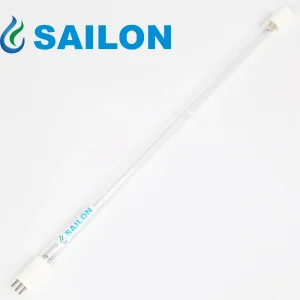
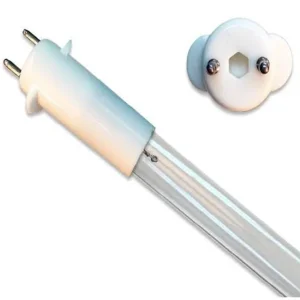
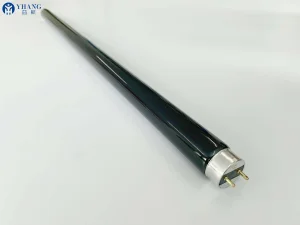
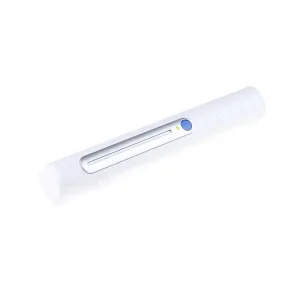
High-Output Germicidal & Specialty Photonic Assemblies
Browse our complete selection of high-power amalgam, UV-C germicidal, blacklight, and handheld sterilization light sources.
Initiate Your Custom Pulsed UV System Engineering Project
Partner directly with Zhongshan Dextra Lights Technology Co., Ltd. Our engineering elites provide technical evaluations, Zemax optical simulations, and custom OEM manufacturing solutions for your industrial systems.