Dextra Light
High-Performance UVC Sterilization Systems
Industrial, medical, and specialized custom-wavelength ultraviolet products engineered for reliable surface and volumetric disinfection.
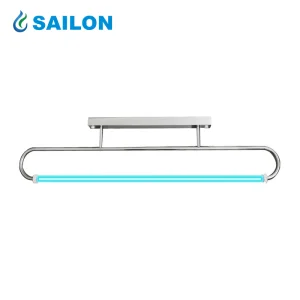
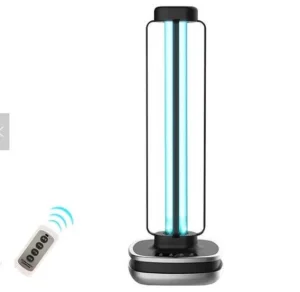
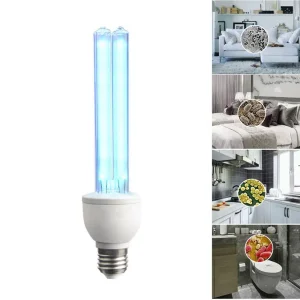
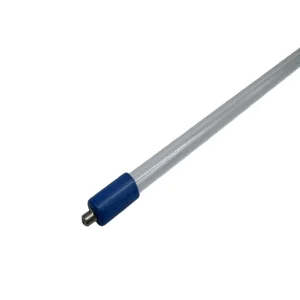
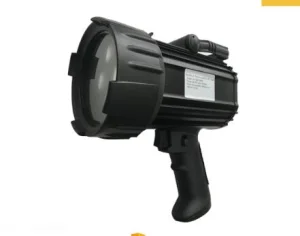
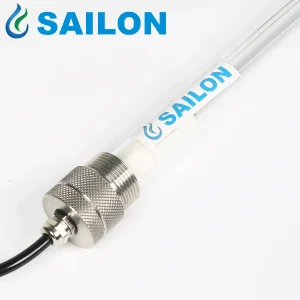
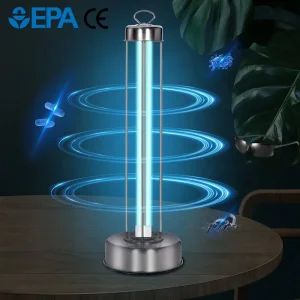
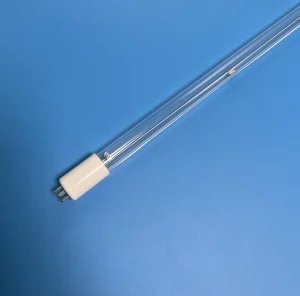
Industrial & Commercial Landscape of Automated UV Disinfection
An in-depth analysis of emerging biosafety regulations, solid-state UV migration, and global market demand.
The global disinfection landscape has fundamentally transitioned from localized, manual spray-and-wipe routines to fully automated, validated sanitization architectures. Prompted by rigorous standards enforced by bodies like the EPA (Environmental Protection Agency), FDA, and the European Centre for Disease Prevention and Control, modern operations require quantifiable log-reduction metrics without human error. Automated ultraviolet (UV) disinfection systems utilize precise germicidal wavelengths—specifically 254nm (Low-Pressure Mercury), 222nm (Excimer Far-UVC), and custom 265-275nm arrays (UVC LEDs)—to disrupt microbial DNA and RNA structures, neutralizing pathogens at a molecular level.
Industries are facing a massive paradigm shift. The phased transition away from traditional mercury lamps, dictated by the global Minamata Convention on Mercury, has accelerated R&D in alternative solid-state and gas excimer technologies. Simultaneously, the integration of automation, LiDAR mapping, and PIR-based dynamic safety feedback loops has transformed simple light fixtures into intelligent, automated sanitization systems. This technical evolution ensures safe deployments across public transport, medical facilities, hospitality, cleanroom environments, and industrial aquaculture processes.
Molecular Inactivation
Direct disruption of thymine and cytosine bases in the genetic material of bacteria, viruses, and molds, rendering them non-replicating and harmless.
Automated Safety Loops
Advanced motion sensors, radar arrays, and door interlocks protect humans from accidental exposure by executing millisecond shut-off times.
Full Spectrum Integration
Designed for easy integration with existing BMS (Building Management Systems), HVAC systems, and independent autonomous robotic platforms.
Why Partner with Zhongshan Dextra Lights
Combining 15+ years of R&D expertise with a highly automated manufacturing base in China to support scalable OEM/ODM deployments.
Advanced Production Capacity & Customization
Established in March 2012, Zhongshan Dextra Lights Technology Co., Ltd. represents a premier private high-tech enterprise specializing in the research, development, and scalable production of multi-purpose LED displays and excimer UV lamps. Backed by solid capital reserves (initial capital investment of 10 million RMB) and a dedicated 9,000-square-meter modern facility, we support the manufacturing needs of global industrial partners.
- Scalable Assembly: Four high-capacity automated production lines alongside 36 VPM high-speed placement machines guarantee rapid turnaround.
- R&D Core: Led by over 10 elite domestic and international engineers, our center has spent over 15 years developing custom UV systems.
- Guaranteed Quality: Every batch is delivered with complete inspection reports, complying with FCC, CE, and RoHS standards.
- Application Scenarios: Systems custom-built for medical sterilizations, pet sanitization, HVAC filtration, semiconductor processing, and water purification.
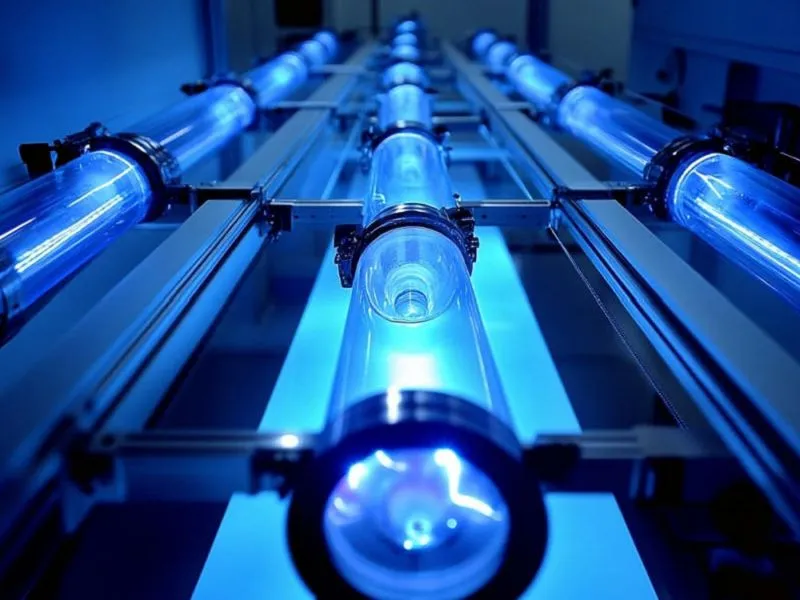
Choosing the Right Wavelength for Industrial Applications
A comprehensive review of UV band behaviors, safety metrics, and typical use cases.
| Technology Type | Wavelength Range | Inactivation Mechanism | Human Presence Safety | Typical Lifespan | Best Use Case |
|---|---|---|---|---|---|
| Excimer Far-UVC | 222 nm (KrCl) | Protein & Nucleic Acid Disruption | Safe for occupied spaces | 3,000 - 6,000 Hours | Occupied public areas, cabins, transit |
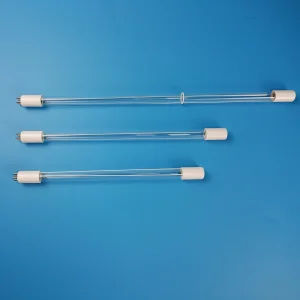
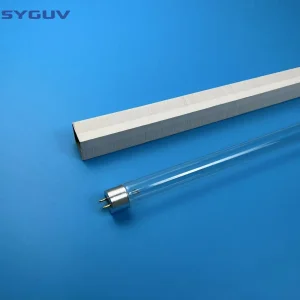
| Low-Pressure Mercury Amalgam | 253.7 nm | DNA/RNA Pyrimidine Dimerization | Unoccupied areas only | 10,000 - 13,000 Hours | Water purification, HVAC ducts, medical disinfection |
| UVC LED Arrays | 265 - 275 nm (AlGaN) | Nucleic Acid Degradation | Unoccupied areas only | 15,000+ Hours (L70) | Pet products, static components, consumer electronics |
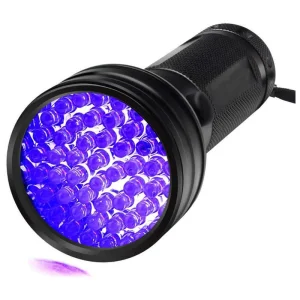
| UVA / Black Light | 365 - 400 nm | Indirect Oxidation (ROS generation) | Safe with limits | 20,000+ Hours | NDT inspection, insect traps, curing |
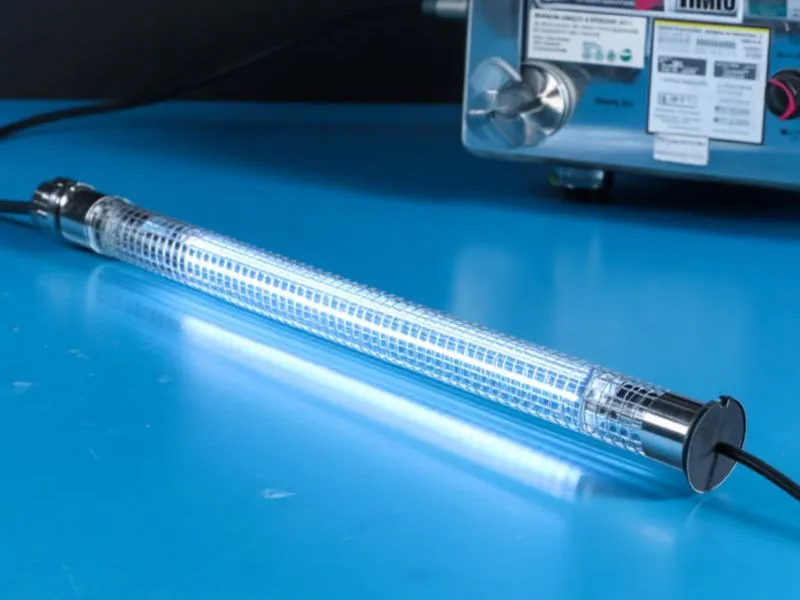
Excimer UV and the Far-UVC Revolution
Far-UVC technology, specifically generated at 222nm by Krypton-Chloride (KrCl) excimer lamps, has emerged as a groundbreaking approach for continuous surface and air sanitization. Traditional 254nm light penetrative properties can cause erythema (sunburn-like reactions) and photokeratitis in human skin and eyes, restricting its use to unoccupied environments or shielded enclosures.
Conversely, 222nm radiation is heavily absorbed by the proteins in the outer layer (stratum corneum) of human skin and the outer tear film layer of the eyes. Since it cannot penetrate living cells, it remains safe for human exposure while effectively destroying microscopic pathogens. Our engineering team specializes in incorporating these excimer modules into custom consumer and industrial systems.
Comprehensive OEM/ODM Capabilities
We provide structural customization, electronics design, thermal management integration, and full certified validation for diverse product lines. Our target capabilities are categorized across highly specialized industrial divisions:
- Air Purification Systems: In-duct HVAC arrays, standalone commercial dynamic air scrubbers, and industrial dust filtration units.
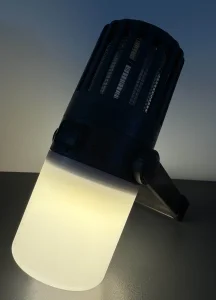
- Consumer & Household Sanitization: Maternal-infant sterilizers, specialized pet deodorizers, and self-cleaning insect traps.
- Industrial Components: UV semiconductors, non-destructive testing (NDT) inspection lamps, and high-intensity submersible disinfection for large-scale aquaculture.
- Display Technologies: High-performance indoor and outdoor LED displays designed for command centers, stadiums, and advertisement venues.
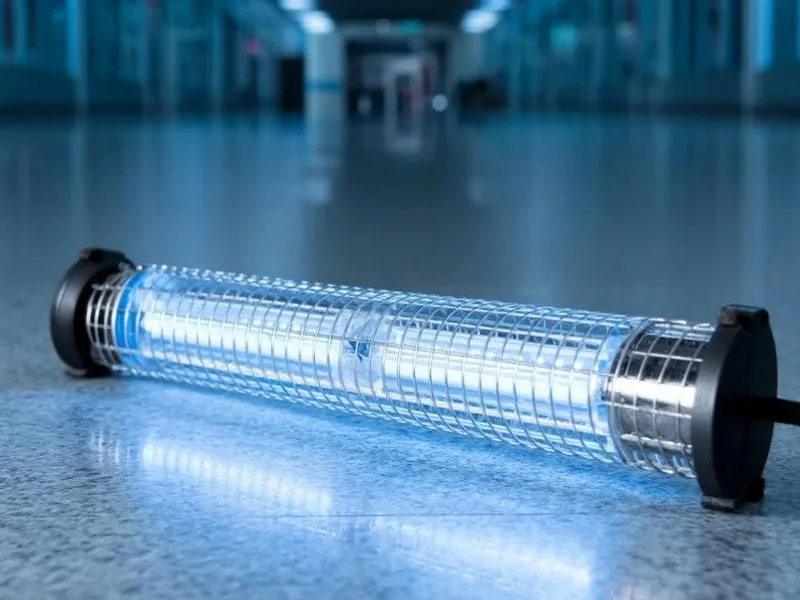
Integrated Industry Solutions
Deploying automated UVC technology to meet regulatory requirements and ensure operational biosafety across key sectors.
Healthcare & Clinical Settings
Ensuring 99.99% sanitization in patient rooms, operating suites, and public hallways using automated mobile robots and high-intensity ceiling fixtures.
Municipal & Industrial Wastewater
Disinfecting high-volume water flows without chemicals. Our submersible quartz systems target chlorine-resistant pathogens like Giardia and Cryptosporidium.
Transportation & Hospitality
Deploying marine-grade UVC disinfection lamps in cruise ship cabins, cabins, buses, and trains. Automated cycling limits human exposure risk.
Semiconductors & Cleanrooms
Integrating customized UV vacuum arrays to eliminate organic contamination, clean substrates, and suppress micro-dust on silicon wafers.
R&D Technology Roadmap: The Next Era
Our long-term commitment to innovation, mercury-free light sources, and smart integration.
AlGaN UVC LED Efficiency
Improving the internal quantum efficiency (EQE) and Wall-Plug Efficiency of solid-state UVC emitters to outpace gas-discharge lamps by 2026.
Solid-State Far-UVC
Developing mercury-free excimer alternatives operating at 222nm to provide safer sanitization in occupied zones.
AI-Powered Sensor Fusion
Integrating radar, thermal cameras, and spatial mapping to adjust UVC output based on real-time occupancy and environmental conditions.
Unified BMS Integrations
Creating standardized communication interfaces (BACnet, Modbus, MQTT) for seamless connection with building automation networks.
Frequently Asked Engineering Questions
Technical guidance on dosage calculations, compliance standards, and maintenance cycles.
Water Treatment & Specialized UVC Systems
Industrial submersible systems, ballast configurations, and portable sanitizers designed for various cleanroom and water purification needs.