How UV Technology Enhances Sterilization for Global Buyers at Canton Fair?

Time:2026-03-24 Author:Sophia
0%

At the upcoming Canton Fair, global buyers will witness the latest innovations in UV technology. This technology plays a vital role in enhancing sterilization processes. Dr. Emily Carter, a leading expert in sterilization technology, states, "How UV Technology Improves Sterilization Efficiency is crucial in today's health-conscious world."

As businesses prioritize hygiene, UV sterilization stands out. It not only reduces pathogens effectively but also ensures a safer environment. The efficiency of this method is impressive, allowing companies to meet higher health standards. By addressing diverse needs in various sectors, UV technology showcases its versatility.

Yet, challenges remain. Some industries may struggle to adopt this technology fully. Understanding its benefits and proper application is essential. Without adequate knowledge, potential users may hesitate. Continuous education and support will help bridge this gap. The Canton Fair will be a platform where buyers can explore these advancements and learn about their implementation.
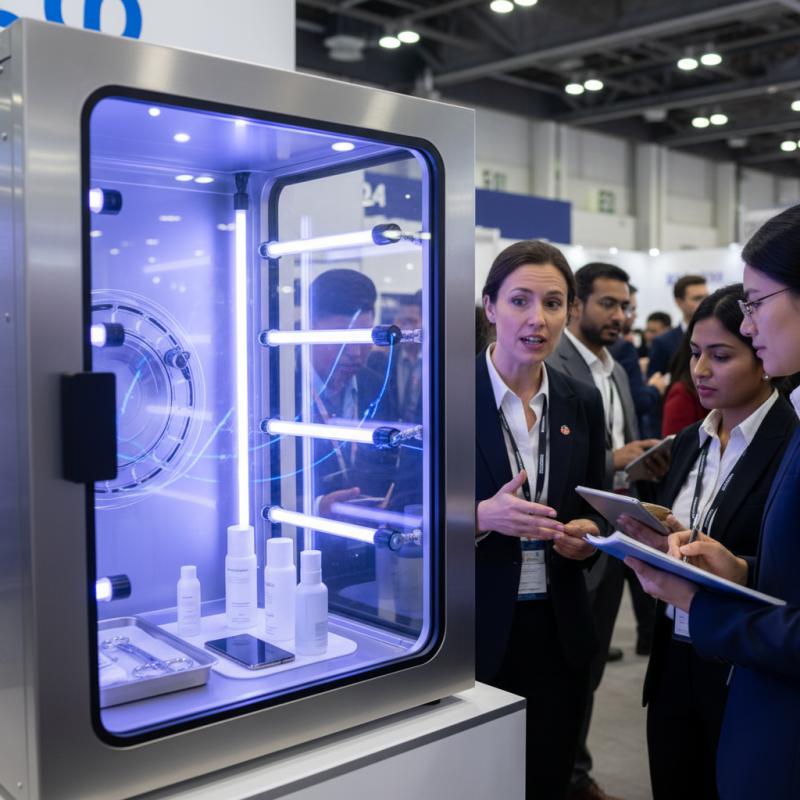
How UV Technology Enhances Sterilization for Global Buyers at Canton Fair?

The Significance of UV Technology in Modern Sterilization Practices

Ultraviolet (UV) technology plays a crucial role in modern sterilization practices. It offers a powerful alternative to traditional methods. According to a report by the World Health Organization, UV-C light can inactivate over 99.9% of pathogens. This includes bacteria, viruses, and fungi, making it ideal for various applications.

In the medical field, UV sterilization is increasingly used in hospitals and clinics. Studies show that UV systems can reduce hospital-acquired infections significantly. One report states that integrating UV light into air filtration systems can decrease airborne pathogens by up to 50%. This is vital during surgeries and critical care.

However, there are challenges. The effectiveness of UV sterilization can be influenced by shadowing effects. Objects that block UV light prevent sterilization from occurring. Additionally, not all UV devices are created equal. Some may not emit the correct wavelength to achieve the desired sterilization effect. Buyers must be informed and cautious. They should consider the technology standards and verify data from credible studies before making decisions.

Overview of UV Technology and Its Mechanisms of Action

UV technology is revolutionizing sterilization processes globally. It employs ultraviolet light to eradicate pathogens effectively. UV-C light, specifically, is known for its germicidal properties. It disrupts the DNA of bacteria and viruses, rendering them inactive. Studies show that UV light can kill up to 99.9% of germs and has been widely adopted in various sectors, including healthcare and food safety.

Deployment of UV technology requires proper understanding and implementation. Experts recommend maintaining optimal exposure time for effective sterilization. Factors like distance from the light source and the intensity of UV-C must be considered. Mistakes can lead to incomplete sterilization, leaving harmful pathogens behind. Vigilance in this process is crucial.

When using UV devices, ensure areas are clear of objects. Blocked light can hinder the sterilization process. Regular maintenance of UV equipment is essential for consistent performance. Keep the quartz sleeves clean to maximize UV output. Miscalculations can risk user safety and effectiveness. Awareness of these details makes a significant difference in outcomes.

Key Advantages of UV Sterilization Over Traditional Methods

UV sterilization technology presents notable advantages over traditional methods. Studies indicate that UV light can eliminate up to 99.9% of pathogens, including bacteria and viruses. This efficiency is crucial during global health crises. Unlike chemical disinfectants, UV sterilization does not leave harmful residues. This makes it safer for both users and the environment.

Traditional sterilization methods often rely on heat or toxic chemicals. These can be time-consuming and may damage sensitive materials. UV technology, on the other hand, can operate effectively in a matter of seconds. It penetrates microorganisms at the DNA level, rendering them inactive. A market report suggests that the UV sterilization market is expected to grow by 25% annually.

However, UV sterilization comes with its own set of challenges. Proper exposure time and distance are critical for effectiveness. Many users may not be aware of these parameters. Additionally, UV light can be harmful to human skin and eyes, requiring careful handling. The technology is promising but needs careful implementation to maximize its benefits.

Applications of UV Technology in Diverse Industries

UV technology is revolutionizing sterilization across various industries. Its versatility can be seen in healthcare, food safety, and water treatment. Reports show that the UV sterilization market is expected to reach $3.4 billion by 2025. This growth is partly due to increased awareness of hygiene and disease prevention.

In healthcare, UV-C light is used to disinfect surfaces and air. Hospitals are seeing a significant reduction in hospital-acquired infections through UV disinfection. A study indicated that UV systems can eliminate up to 99.9% of pathogens within minutes. However, the effectiveness can vary based on the environment and placement of the devices. Misalignment or shadowing can lead to incomplete sterilization.

The food industry employs UV technology to extend shelf life and enhance safety. UV treatment effectively reduces microbial contamination on food surfaces. Yet, concerns remain about potential impacts on food quality and nutritional value. Vigilance and further investigation into these effects are necessary for broader acceptance. There's still a road ahead for optimizing the balance between safety and quality.

How UV Technology Enhances Sterilization for Global Buyers at Canton Fair

Industry UV Application Benefits Market Demand
Healthcare Surface sterilization Effective against bacteria and viruses High
Food Industry Food and water treatment Chemical-free purification Growing
Hospitality Air purification Improved indoor air quality Moderate
Manufacturing Tool sterilization Enhanced product safety Stable
Pharmaceuticals Air flow and water disinfection Reduction of contamination risks High

Impact of UV Sterilization on Global Trade and Health Standards

UV sterilization has become a game changer in enhancing global trade and health standards. This technology can effectively reduce pathogens, ensuring safer products. In today’s world, health concerns drive buyers to demand higher safety measures. The impact is evident at trade events like the Canton Fair, where UV sterilization catches attention.

Many buyers are interested in UV systems but may know little about their limitations. Not all UV devices eliminate every germ. Proper usage and maintenance are crucial for effectiveness. Some systems may also struggle with certain surfaces and materials. When considering UV solutions, businesses must prioritize quality and training.

As UV technology advances, its role in health standards evolves. The focus on sterilization helps create a safer business environment. However, adopting these innovations requires a commitment to continuous improvement. Investing in education and adapting practices ensures maximum benefits. The journey of integrating UV sterilization is complex but essential for global trade.

FAQS

: What is the role of UV technology in sterilization?

: UV technology helps eliminate over 99.9% of pathogens like bacteria and viruses. It is vital for various applications.

How effective is UV sterilization in hospitals?

UV sterilization can significantly reduce hospital-acquired infections by up to 50%. This is crucial during surgeries and critical care.

What are the challenges of using UV sterilization?

Shadowing effects can block UV light and hinder sterilization. Not all devices emit the right wavelength for effective results.

How does UV light work against pathogens?

UV-C light disrupts the DNA of bacteria and viruses, making them inactive. It’s known for its powerful germicidal properties.

What factors influence UV sterilization effectiveness?

Distance from the light source, exposure time, and UV intensity all matter. Mistakes in these can leave harmful pathogens.

Why is regular maintenance of UV equipment necessary?

Regular maintenance ensures consistent performance. Keeping quartz sleeves clean maximizes UV output and enhances safety.

Can UV devices sterilize all surfaces?

No, some systems may struggle with certain surfaces and materials. Proper usage is crucial for effective sterilization.

How does UV sterilization affect global trade?

It enhances safety standards, making products safer for consumers. Businesses feel pressure to adopt higher safety measures.

How can businesses ensure they use UV technology correctly?

Education and training are essential. Understanding limitations and proper maintenance can significantly improve outcomes.

What should buyers consider when looking for UV devices?

Buyers need to be informed about technology standards and should verify data from credible studies before making decisions.

Conclusion

UV technology is revolutionizing the field of sterilization, significantly improving efficiency and effectiveness in various industries. The mechanisms of UV sterilization involve the disruption of microbial DNA, rendering pathogens inactive without the use of harmful chemicals. This method offers several key advantages over traditional sterilization practices, including shorter treatment times, reduced chemical dependency, and a lower environmental footprint.

Furthermore, the applications of UV technology span numerous sectors, from healthcare to food safety, emphasizing its global significance. As businesses seek to enhance health standards and trade compliance, understanding "how UV technology improves sterilization efficiency" becomes crucial. This innovative approach not only promotes better hygiene but also aligns with the growing demands for sustainable practices in the competitive global market, showcased prominently at events like the Canton Fair.

Sophia

Sophia

Sophia is a dedicated marketing professional with an exceptional depth of knowledge about her company's products and services. With a keen understanding of market trends and customer needs, she crafts insightful blog posts that not only inform but also engage readers, enriching the company’s online......