In recent years, the cleaning industry has witnessed a significant transformation. "How UV Light Is Changing Modern Cleaning Methods" is at the forefront of this revolution. Experts are recognizing the potential of ultraviolet light in enhancing cleanliness and safety. Dr. Sarah Mitchell, a leading authority in sanitation technologies, states, "UV light offers a powerful way to ensure spaces are free from harmful pathogens."
Traditional cleaning methods often fall short in effectively eliminating germs. This is where UV light steps in. Its capacity to disrupt the DNA of bacteria and viruses makes it a game-changer. Whether in hospitals, schools, or offices, the application of UV technology is expanding rapidly. However, there is still a need for proper training and understanding of UV safety protocols.
While UV light is promising, it’s not a magic bullet. Users must complement it with conventional cleaning practices for optimal results. The journey of integrating UV light into cleaning routines is ongoing. There are nuances and challenges that require attention. Embracing this technology could lead to safer environments, but awareness of its limits is crucial.
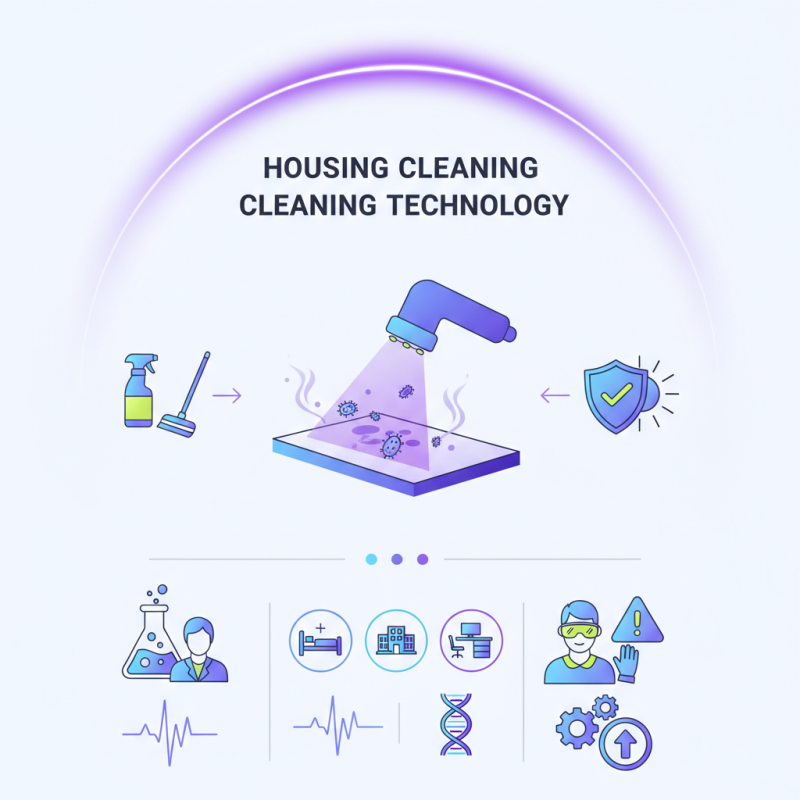
The Science Behind UV Light and Its Cleaning Properties
UV light is transforming cleaning processes in various sectors. It is effective in killing bacteria, viruses, and harmful microorganisms. This ability is due to UV-C light. This specific wavelength disrupts DNA and RNA, preventing replication. The result? Cleaner surfaces and safer environments.
Using UV technology requires certain precautions. Always wear protective eyewear when operating UV devices. Skin exposure should be avoided to prevent burns. Ensure the area is free from people and animals during cleaning. Regularly check the equipment for any wear or malfunction.
Consider integrating UV cleaning into routine practices. It enhances hygiene in public spaces, schools, and healthcare facilities. Yet, reflection is necessary. Not all surfaces respond equally to UV light. Shadows can create missed spots, which require manual cleaning. Understanding these nuances can lead to more effective use of UV technology.
Impact of UV Light on Cleaning Efficiency
Applications of UV Light in Various Industries
UV light is making significant strides in cleaning techniques across various industries. Its applications extend from healthcare to food safety, showcasing its versatility. For instance, a study revealed that UV-C light can reduce pathogens on surfaces by up to 99.9% within minutes. Hospitals are increasingly utilizing this technology to sterilize surgical instruments and patient rooms. This method not only enhances cleanliness but also reduces the spread of healthcare-associated infections.
In the food industry, UV light is being implemented to ensure food safety. The Centers for Disease Control and Prevention (CDC) noted that foodborne illnesses affect millions annually, leading to serious health concerns. UV-C treatment can effectively eliminate harmful microorganisms in food processing. This approach can reduce reliance on harsh chemicals, offering a safer alternative for consumers. However, the challenge remains in ensuring that UV light reaches all surfaces consistently.
In the water treatment sector, UV light is recognized for its ability to disinfect without chemicals. According to the World Health Organization, approximately 2 billion people lack access to safely managed drinking water. UV systems can significantly improve water quality at treatment plants. Nevertheless, these systems require monitoring to guarantee effectiveness. Overall, while UV light presents innovative solutions, its application necessitates careful consideration and ongoing evaluation.
Comparing UV Light to Traditional Cleaning Methods
UV light is emerging as a game changer in cleaning protocols. Compared to traditional methods, UV light offers a more efficient solution. Studies show that UV light can eliminate up to 99.9% of bacteria and viruses on surfaces. This stark contrast highlights its effectiveness over conventional cleaning agents, which often leave behind chemical residues.
Despite these advantages, using UV light isn't without complications. For instance, it requires specific wavelengths to be effective. A recent industry report noted that not all UV devices deliver the same intensity. Some may fall short, only achieving 70-80% of their claimed effectiveness. This inconsistency can lead to misleading results if not properly assessed.
Moreover, traditional cleaning methods are familiar and widely adopted. While UV light adds a new layer of sanitation, it can also lead to complacency in regular cleaning habits. Relying solely on UV systems could create false confidence. The integration of UV light into cleaning regimens should complement, not replace, proven techniques. Balancing both can lead to healthier environments, but care must be taken to ensure comprehensive cleaning practices are maintained.
Safety Considerations and Best Practices for Using UV Light
Using UV light for cleaning has gained popularity. However, safety is crucial. Improper use can lead to skin and eye damage. Always wear protective clothing when operating UV devices. This simple step can prevent serious health risks.
Effective UV cleaning requires careful consideration of surface materials. Not all surfaces react well to UV exposure. For example, some plastics may degrade. It's essential to test a small area first. Understanding the limitations of UV light is vital for effective sanitation.
Monitoring the duration of exposure is equally important. Too little time may not kill germs, while too much can cause damage. It's a balancing act that requires attention. Regular training on best practices ensures everyone uses UV safely and effectively. Always remain vigilant and adaptable in these evolving cleaning methods.
Future Trends in UV Light Technology for Cleaning Solutions
UV light technology is emerging as a game-changer for cleaning solutions. This method uses short wavelengths to eliminate germs and bacteria effectively. Unlike traditional cleaning methods, UV light can reach into cracks and crevices. It ensures a level of cleanliness that might be difficult to achieve otherwise. As the world shifts towards more hygienic spaces, the demand for UV cleaning technologies continues to grow.
Future trends indicate that UV technology will become more integrated into daily cleaning practices. Innovations will focus on creating portable devices for homes and offices. This makes it easier for people to maintain cleanliness on their own. However, there are concerns about the effectiveness of UV light in various settings. It’s essential to understand that not all surfaces may respond well to UV cleaning. Continuous research is needed to address these challenges. The potential for UV light to reshape our cleaning techniques is significant, but users must proceed cautiously.
How UV Light Is Revolutionizing Modern Cleaning Techniques? - Future Trends in UV Light Technology for Cleaning Solutions
| Application Area |
Technology Type |
Effectiveness (%) |
Cost (USD) |
Future Trends |
| Healthcare Facilities |
Mobile UV Disinfection Robots |
99.99% |
15,000 |
Integration with AI for efficient routing |
| Public Transportation |
UV-C Light Fixtures |
95% |
3,000 |
Use of smart sensors for operation |
| Food Processing |
UV-C Water Treatment |
99.90% |
10,000 |
Advanced filtration systems |
| Educational Institutions |
Portable UV Disinfection Devices |
98% |
1,200 |
Increasing demand for on-site sanitation tools |
| Residential Cleaning |
UV-C Light Sanitizing Wands |
97% |
150 |
Consumer adoption and product variety growth |
FAQS
: UV light effectively kills bacteria, viruses, and harmful microorganisms.
UV-C light disrupts DNA and RNA, preventing replication and ensuring cleaner surfaces.
Always wear protective eyewear and avoid skin exposure to prevent burns.
No, UV light should complement traditional methods, not replace them.
Shadows can create missed spots that need manual cleaning.
No, some UV devices may deliver only 70-80% of their claimed effectiveness.
It improves cleanliness in public spaces, schools, and healthcare facilities.
Equipment should be regularly checked for any wear or malfunction.
Recognizing its limitations can lead to more effective and safe cleaning practices.
Over-reliance on UV systems may create false confidence in hygiene practices.
Conclusion
The article "How UV Light Is Revolutionizing Modern Cleaning Techniques" explores the significant role of ultraviolet (UV) light in enhancing cleaning practices across various industries. By delving into the science behind UV light, the article highlights its effective germicidal properties that make it a powerful tool for disinfection. It compares UV cleaning methods to traditional techniques, showcasing advantages such as speed and efficacy, while also addressing safety considerations and best practices for its application.
As industries continue to adopt UV light technology, future trends suggest even more innovative uses in cleaning solutions. The discussion emphasizes how UV light is changing modern cleaning methods, offering a safer and more efficient alternative for maintaining hygiene in environments ranging from healthcare to public spaces. Emphasizing scientific principles and practical applications, the article illustrates a transformative shift in how we approach cleanliness and sanitation in today’s world.
 Dextra Light
