How UV Light Ensures Clean Water Solutions for Businesses?

Time:2026-07-21 Author:Mason
0%

In recent years, the importance of clean water solutions has become a major focus for various industries. A report from the International Water Association highlights that 2 billion people lack access to safe drinking water. How UV Light Helps Maintain Clean Water Systems is critical to addressing this global challenge. Experts agree that ultraviolet (UV) light technology is one of the most effective methods for disinfecting water.

Dr. Emily Carter, a leading specialist in water quality, states, "UV light systems can significantly reduce pathogens, ensuring safe water for businesses and communities." This technology effectively eliminates harmful bacteria and viruses without introducing chemicals. However, reliance solely on UV light requires careful monitoring and maintenance. If systems are not regularly checked, the effectiveness may decline.

Understanding the role of UV light in clean water solutions is essential for businesses. As industries evolve, they must adapt to reliable water treatment methods. Investing in UV technology can enhance safety and compliance while also raising awareness about water quality issues. The challenge remains to integrate this technology effectively within existing systems.
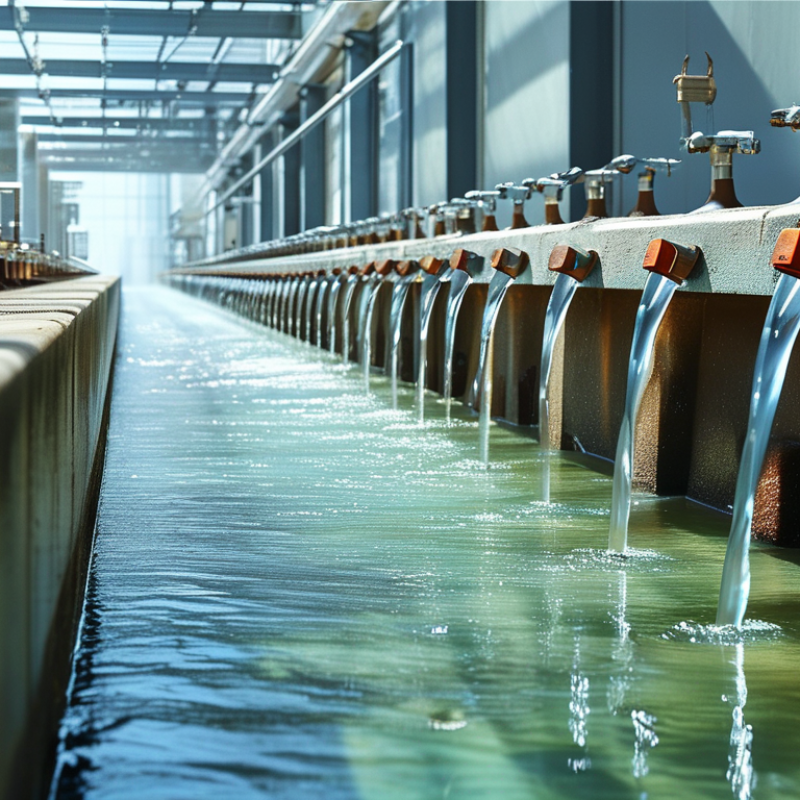
How UV Light Ensures Clean Water Solutions for Businesses?

The Role of UV Light in Water Purification Processes for Businesses

UV light plays a crucial role in water purification processes for businesses. It effectively eliminates harmful microorganisms without the need for chemicals. This method protects water quality while ensuring safety for workers and the environment. Its ability to deactivate bacteria and viruses makes it a reliable solution.

Businesses across various industries benefit from using UV light technology. Water treatment facilities, food and beverage producers, and pharmaceutical companies rely on it for clean water. These sectors require high standards of hygiene. UV light systems can meet these demands effectively. However, implementation is not without challenges. Initial costs can be high, and regular maintenance is essential.

Moreover, not all UV systems are created equal. Some may not perform optimally under certain conditions, such as varying water quality. Understanding performance metrics is vital. It requires expertise in assessing the suitability of UV treatment for specific applications. Businesses must adapt their approach, balancing efficiency with reliability to achieve long-term success.

Key Advantages of UV Light Over Traditional Water Treatment Methods

Ultraviolet (UV) light is emerging as a modern solution for water treatment. It offers unique advantages over traditional methods. One significant benefit is its effectiveness in removing harmful microorganisms. UV light disrupts the DNA of bacteria, viruses, and protozoa. This leads to a swift inactivation, ensuring safer water for businesses. Unlike chemical treatments, UV does not leave harmful residues.

In addition, UV treatment requires less maintenance. Traditional systems often need regular chemical replenishment and monitoring. UV systems are relatively low maintenance, saving both time and money. The process is also environmentally friendly. There are no chemicals involved, reducing potential environmental risks. Businesses can promote sustainability by adopting UV technology.

**Tips**: Consider regular checks on your UV system. Keeping the quartz sleeve clean enhances efficiency. Investing in a high-quality UV unit can be beneficial in the long run. Always seek professional advice when setting up a UV water treatment system. Balancing efficiency and safety is crucial, as this technology continues to evolve.

How UV Light Ensures Clean Water Solutions for Businesses? - Key Advantages of UV Light Over Traditional Water Treatment Methods

Advantage UV Light Traditional Methods
Effectiveness 99.9% pathogen reduction Varies; often less than 90%
Chemical Use No chemicals required Chemical additives required
Maintenance Low maintenance Regular maintenance and monitoring needed
By-products No harmful by-products Potential harmful by-products
Energy Efficiency Lower energy consumption Higher energy consumption
Installation Space Compact size Requires larger space

Industry Statistics on UV Light Efficacy in Eliminating Pathogens

Ultraviolet (UV) light has emerged as an essential tool in water purification for various industries. Its efficacy in eliminating pathogens is supported by numerous studies. Research shows that UV light can inactivate up to 99.99% of harmful microorganisms. This includes bacteria, viruses, and protozoa, making it a powerful method for ensuring clean water. The rapid action of UV light means businesses can rely on it for immediate results.

Statistics reveal that UV disinfection systems are becoming increasingly popular. Some industries report a 51% reduction in waterborne illnesses after transitioning to UV treatment. Its effectiveness does not wane in varying water qualities, a feature many other methods lack. However, it’s crucial to remember that UV treatment should be part of a comprehensive water management strategy. Regular maintenance and monitoring are essential for optimal performance.

Despite its advantages, there are potential downsides to consider. For instance, UV light does not remove chemical contaminants. Businesses must be aware of their specific needs. A cautious approach is warranted when implementing UV systems, ensuring they complement existing processes. By understanding the strengths and limitations of UV technology, organizations can better safeguard public health while maintaining reliable water sources.

Case Studies of Businesses Implementing UV Water Solutions

Many businesses are turning to UV light for clean water solutions. A coffee shop in Portland installed a UV system. They wanted to eliminate harmful bacteria from their water supply. After installation, they noticed better-tasting coffee. However, the initial setup was costly. Maintenance and training staff on the new system posed challenges.

A local brewery faced similar issues. They relied on consistent water quality for brewing. Their UV water system ensured that their product remained safe and flavorful. They reported increased efficiency and fewer complaints. Still, they struggled with integrating this new technology into their existing processes.

Implementing UV solutions can be transformative but isn’t without bumps. Many businesses must adapt to new protocols and training. The technology needs regular upkeep, which can be a hassle. However, for many, the benefits of cleaner, safer water outweigh these challenges.

Regulatory Standards and Compliance for UV Water Treatment Systems

In recent years, businesses have increasingly turned to UV water treatment systems for clean water solutions. These systems utilize ultraviolet light to disinfect water effectively. Compliance with regulatory standards is crucial in this field. Various guidelines ensure the safety and quality of treated water. Adhering to these standards can be complicated, but it is essential for public health.

Businesses must navigate numerous regulations. Each jurisdiction may have specific requirements that ensure safety. Failing to comply can lead to severe consequences. It could damage a company’s reputation and result in costly fines. Therefore, it is vital for businesses to stay informed about the latest standards.

While UV systems are highly effective, they have their limitations. They do not remove chemical pollutants or sediments. Additional treatment might be necessary for complete purification. Companies should regularly evaluate their systems and processes, ensuring they meet compliance while providing clean water. Effective training for staff can also enhance operational reliability. Regular audits and updates can help identify potential gaps in compliance.

Impact of UV Light on Water Quality Compliance

This chart illustrates the correlation between UV light usage in water treatment systems and the compliance levels with regulatory standards. It highlights the importance of using UV light in ensuring clean water solutions for businesses.

FAQS

: What is the main advantage of UV light in water treatment?

: UV light effectively removes harmful microorganisms by disrupting their DNA, ensuring safer water.

How does UV light differ from chemical treatments?

Unlike chemicals, UV light leaves no harmful residues, making it a safer option for water purification.

Is UV water treatment low maintenance?

Yes, UV systems require less maintenance compared to traditional methods, saving time and resources.

Can businesses easily adapt to UV technology?

Adapting to UV can be challenging; staff training and protocol changes are often needed.

What should businesses consider for optimal UV system performance?

Regular checks and cleaning of the quartz sleeve are crucial for maintaining efficiency.

Are there regulatory standards for UV water treatment?

Yes, businesses must comply with various regulations to ensure the safety and quality of treated water.

What are the limitations of UV water treatment systems?

UV systems do not remove chemical pollutants or sediments, so additional treatments may be necessary.

How can a business stay compliant with water treatment standards?

Regular audits and updates on systems can help identify compliance gaps regarding safety regulations.

What are some common challenges faced during UV system implementation?

High initial setup costs and the need for staff training can pose significant challenges.

Is the investment in UV technology worthwhile for businesses?

Many find the benefits of cleaner, safer water worth the initial investment and ongoing efforts.

Conclusion

Ultraviolet (UV) light plays a crucial role in water purification processes for businesses, offering a highly effective alternative to traditional treatment methods. One of the key advantages of UV light is its ability to deactivate pathogens without the use of chemicals, thus ensuring that water remains clean and safe for consumption. Industry statistics indicate that UV light systems significantly reduce the risk of contamination, enhancing the safety of water supplies.

Case studies demonstrate how various businesses have successfully implemented UV water solutions, resulting in improved water quality and compliance with regulatory standards. By adhering to these guidelines, companies can leverage UV technology to maintain clean water systems, safeguarding both public health and their operational integrity. In summary, understanding "How UV Light Helps Maintain Clean Water Systems" allows businesses to make informed decisions about their water treatment options, ultimately leading to more sustainable practices and safer environments.

Mason

Mason

Mason is a seasoned marketing professional with a deep expertise in the company's offerings and a passion for driving brand awareness. With a strong background in digital marketing strategies, he has an innate ability to connect with diverse audiences and effectively communicate product benefits.......