Indoor air quality is a growing concern for many households and workplaces. This is particularly important as people spend most of their time indoors. Dust, allergens, and harmful microorganisms can accumulate, leading to health issues. In this context, understanding how UV light improves air quality indoors becomes crucial.
UV light is known for its disinfection properties. It can effectively eliminate bacteria, viruses, and mold spores, reducing harmful contaminants in the air. This method does not introduce chemicals, making it a safe alternative. Many studies back the effectiveness of UV light in enhancing air purity. Yet, there is still a need for further research.
Implementing UV technology calls for awareness of its limitations. Not all UV systems are equal; some may not be effective in larger spaces. Additionally, improper installation may limit its benefits. Homeowners should consult professionals for guidance. This approach ensures that UV light is used effectively to improve indoor air quality.
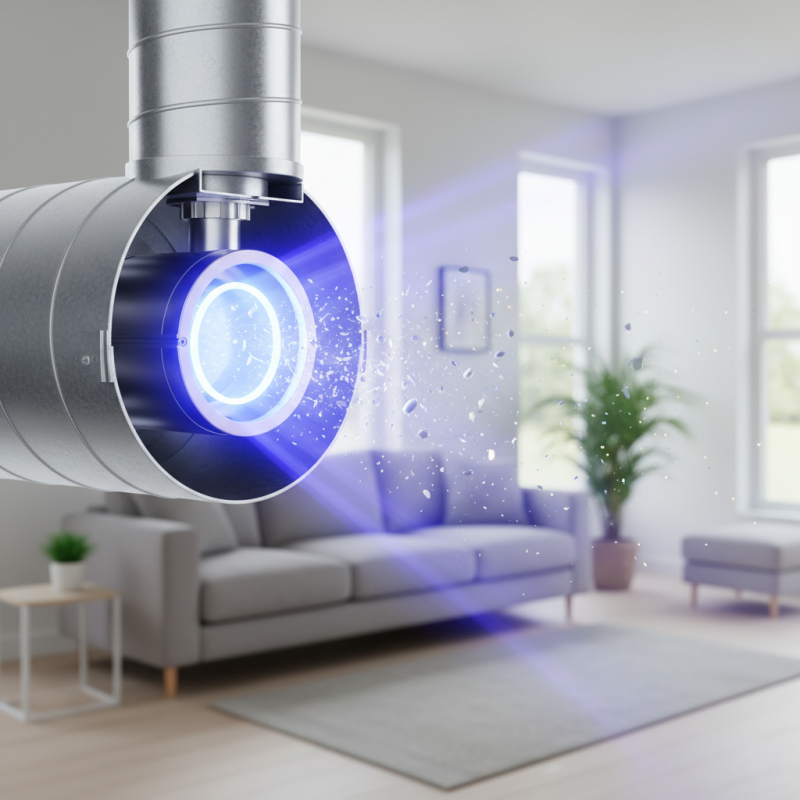
UV light has gained attention in air purification technologies due to its unique properties. It can effectively neutralize various airborne pathogens. These include viruses, bacteria, and mold spores. When UV light interacts with DNA and RNA, it disrupts their ability to reproduce. This process reduces the presence of harmful microorganisms in indoor spaces.
Different applications showcase UV light’s effectiveness. For instance, UV-C lamps are commonly used in HVAC systems. They help maintain cleaner air in homes and offices. These systems can be quite efficient, but they need regular maintenance to ensure optimal performance. Without proper upkeep, their impact diminishes over time.
Nonetheless, it’s crucial to remember that UV light does not replace standard filtration methods. Airborne particles like dust and allergens still require traditional filters to be removed. Relying solely on UV technology might lead to a false sense of security. A comprehensive approach should blend UV light and conventional methods for the best results. This balance ensures a healthier indoor environment while acknowledging the limitations of any single technology.
UV light has emerged as a crucial ally in enhancing indoor air quality. Its effectiveness against airborne pathogens is backed by comprehensive research. According to a report from the American Society of Heating, Refrigerating and Air-Conditioning Engineers (ASHRAE), UV-C light can reduce viral and bacterial pathogens by up to 99.9% in the air. This is particularly significant in enclosed environments, where pathogens tend to thrive.
The science behind UV light relies on its capacity to disrupt the DNA of microorganisms. A study published in the Journal of Occupational and Environmental Hygiene revealed that UV-C light wavelengths between 200-280 nanometers effectively inactivate viruses, bacteria, and fungi. Even brief exposure can significantly lower pathogen counts. However, while UV light shows promise, it is not a standalone solution. Understanding its limitations is vital; for instance, its effectiveness can be hampered by air flow, humidity, and light intensity. As a result, relying solely on UV light without proper ventilation may not be enough to ensure a safe environment.
Incorporating UV light into air filtration systems could lead to higher efficacy rates. Many experts suggest combining UV technology with other purification methods. An ideal system would balance multiple approaches to combat airborne pathogens comprehensively. This ensures a safer indoor atmosphere, promoting health and well-being in shared spaces.
UV-C light is gaining attention for its role in enhancing indoor air quality. Studies show a significant reduction in airborne pathogens when UV-C is used. For instance, one research found that UV-C light can eliminate up to 99.9% of viruses and bacteria in controlled environments. This powerful disinfection method tackles the invisible threats in our air.
However, the effectiveness of UV-C light is influenced by several factors. The intensity of the light, duration of exposure, and the type of microorganisms all play a role. It's not a one-size-fits-all solution. In some cases, the light may not reach all corners of a room, leaving areas unprotected. This limitation highlights the need for proper placement and integration into existing air purification systems.
While UV-C technology shows promise, more research is necessary. The long-term effects of UV exposure on human health are still unclear. As we embrace this technology, it's important to evaluate its applications critically. Continuous studies will help clarify the safest and most effective usage of UV-C light in our indoor environments. Balancing efficacy with safety should be the priority going forward.
Ultraviolet (UV) light is gaining attention in improving indoor air quality. Research indicates that UV light can effectively reduce airborne pathogens. A study from the American Society of Heating, Refrigerating and Air-Conditioning Engineers shows that UV systems can reduce pathogens by up to 99.9%. This is significantly higher than traditional air filtration systems, which usually capture only larger particles like dust and pollen.
Traditional methods often rely on HEPA filters, which are effective but fall short in killing viruses and bacteria. They may trap contaminants but cannot eliminate them. In contrast, UV light actively disrupts the DNA of microorganisms, preventing their reproduction. This means that UV systems are not merely filtering air; they are actively creating a safer indoor environment.
When considering options, it’s vital to ensure UV systems are properly installed and maintained. Regular maintenance checks can maximize their effectiveness. Another tip is to combine UV light with excellent ventilation practices. This strategy can enhance air exchange and reduce indoor pollutants. However, users should be aware of UV exposure levels and ensure safety measures are in place.
Understanding industry standards for UV light applications
for indoor environments is crucial. These standards help guide the safe and effective use of UV technology.
In many indoor settings, UV light is employed to reduce harmful microorganisms in the air. However, the effectiveness
of UV light relies heavily on proper implementation.
Regulatory bodies like ASHRAE and the CDC
have established guidelines that outline ideal wavelengths and exposure times for UV-C light.
These parameters ensure that UV systems have the desired germicidal effects without compromising safety.
Striking a balance between efficiency and safety is often challenging. Some facilities may under-utilize
UV light due to fears of potential harm, while others may overestimate their systems' effectiveness.
Adherence to these standards is essential for achieving optimal indoor air quality. Technologies should be
regularly maintained and monitored. Regular assessments can reveal fluctuations in UV effectiveness,
prompting timely adjustments. In the ever-evolving landscape of air quality management, staying informed about
the latest research and guidelines is vital. Collaboration among industry experts can enhance the understanding
of UV light applications, ensuring that indoor environments are both safe and clean.
: UV light neutralizes airborne pathogens, including viruses and bacteria, improving indoor air quality.
UV light disrupts DNA and RNA, preventing reproduction of harmful microorganisms.
No, UV light should complement filters; it doesn't eliminate dust and allergens effectively.
Regular maintenance is essential to ensure optimal performance; neglect reduces effectiveness.
Intensity, duration of exposure, airflow, humidity, and light intensity affect how well it works.
Yes, it may not reach all areas in a room, leaving some sections unprotected.
A comprehensive approach blending UV light and traditional filters ensures better safety.
Studies indicate up to 99.9% reduction in pathogens under controlled conditions; more research is needed.
The long-term health effects of UV exposure are unclear; caution is advised.
Combining UV technology with standard filtration methods promotes overall health and well-being.
This article explores "How UV Light Improves Air Quality Indoors" by examining its pivotal role in air purification technologies. UV light, particularly UV-C, is effective against airborne pathogens, offering a scientifically backed method for enhancing indoor air quality. The importance of statistical data highlighting the improvements in air quality due to UV-C light will also be discussed, providing evidence of its efficacy.
Furthermore, a comparative analysis of UV light technologies versus traditional air filtration methods will shed light on the advantages of utilizing UV light in various indoor environments. Finally, the article will delve into industry standards governing the applications of UV light to ensure safety and effectiveness in indoor air quality enhancement. Through this comprehensive approach, the article aims to illustrate the significance of integrating UV light technology into air purification systems for healthier indoor spaces.

Dextra Light