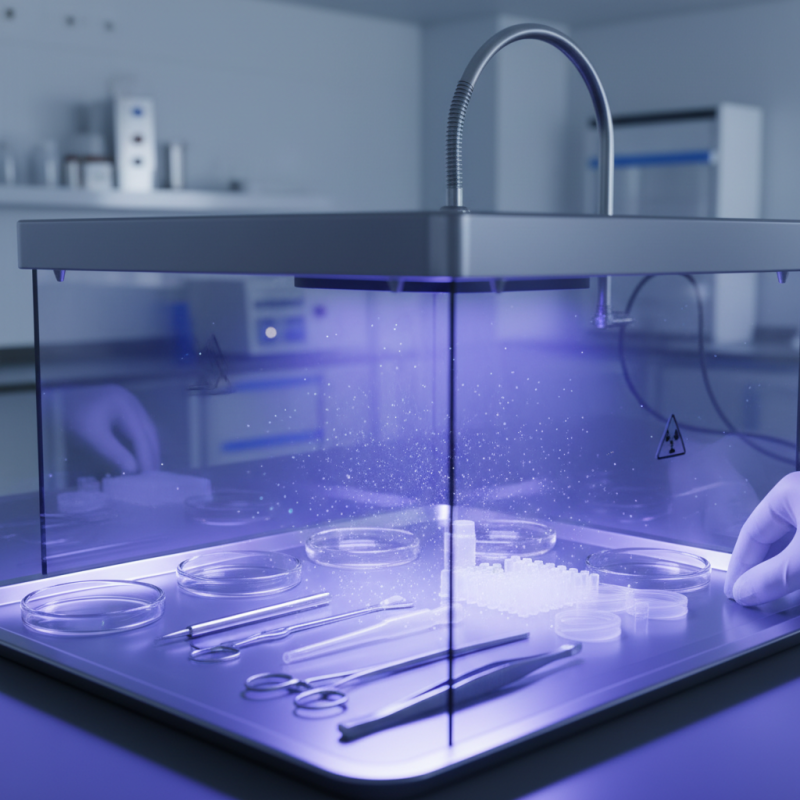
UV light has gained attention for its role in health and safety. It effectively kills bacteria and viruses, making it essential in sterilization processes. According to the Centers for Disease Control and Prevention (CDC), UV light can inactivate over 99% of common pathogens, rendering surfaces safe.
Understanding how UV light works is crucial. This light damages the DNA and RNA of microorganisms, preventing them from replicating. Reports from the World Health Organization indicate that using UV light for disinfection dramatically reduces infection rates in hospitals.
Despite its benefits, UV light must be used cautiously. Direct exposure can harm human skin and eyes. Continued research is needed to optimize UV disinfection methods safely. These considerations highlight how UV light helps reduce bacteria and viruses, but awareness of safety is essential.
Understanding UV Light: Types and Properties
Ultraviolet (UV) light is a powerful tool in the fight against bacteria and viruses. Understanding its types is crucial. UV light is categorized into three main types: UVA, UVB, and UVC. UVC, in particular, has germicidal properties. According to the Centers for Disease Control and Prevention (CDC), UVC light can effectively inactivate a wide range of pathogens. Its short wavelength allows it to damage the DNA and RNA of microorganisms, preventing replication.
The effectiveness of UVC light is well-documented. Research indicates that exposure to UVC light can reduce bacterial counts by up to 99.9% in just a few seconds. A study from the American Journal of Infection Control noted that UVC integration in hospitals led to a significant decrease in healthcare-associated infections. However, challenges remain. UVC light can be harmful to human skin and eyes. Safe usage requires proper shielding and protocols.
While UV light shows great promise, its reliance alone may not suffice. Regular cleaning and disinfection practices remain necessary. The effectiveness of UV treatment could diminish if surfaces are not adequately prepared. Despite these drawbacks, further research could enhance UVC applications. Understanding the interplay between UV light and microbial resistance remains a vital area for ongoing inquiry.
Effectiveness of UV Light in Killing Bacteria and Viruses
This bar chart illustrates the effectiveness of UV light in killing various types of bacteria and viruses. The data shows the percentage reduction in viable organisms after UV exposure, highlighting how UV light can serve as a powerful tool in disinfection processes.
Mechanism of Action: How UV Light Disrupts Microbial DNA
Ultraviolet (UV) light serves as a powerful tool to kill bacteria and viruses. Its effectiveness lies in its ability to disrupt microbial DNA. When exposed to UV light, the DNA of microorganisms absorbs the radiation. This absorption causes the formation of pyrimidine dimers, which inhibit DNA replication. Without functioning DNA, bacteria and viruses cannot reproduce or function effectively.
The energy emitted by UV light alters the genetic material of pathogens. As a result, their ability to cause infections diminishes significantly. Studies have shown that UV-C light is particularly effective. It is often used in healthcare settings to sanitize surfaces and air. However, while UV light is effective, it is not infallible. Shadowed areas may remain contaminated, which raises questions about its reliability in all environments.
**Tips**: To enhance your UV disinfection efforts, ensure that surfaces are clean before exposure. Remove obstructions that could block the light. Wearing protective gear is also essential to avoid skin and eye damage. Understanding potential shortfalls in UV applications is crucial for effective use. Remember, UV light is not a universal solution, and proper techniques are necessary for its optimal performance.
Efficacy of UV Light Against Different Types of Bacteria and Viruses
Ultraviolet (UV) light has gained attention for its effectiveness against various pathogens. Different types of bacteria and viruses show varying levels of susceptibility to UV light. Certain bacteria, like E. coli, are highly sensitive. Studies have shown that UV light can reduce their numbers significantly. However, some tougher strains, such as spores, require longer exposure times.
Virus particles also respond differently to UV radiation. The structure of the virus influences its vulnerability. For instance, enveloped viruses often have weaker defenses against UV light compared to non-enveloped viruses. Despite UV's broad efficacy, not all viruses are rendered inactive equally. This raises questions about how effective UV light truly is in every situation.
While UV light can be a powerful disinfectant, challenges remain. Shadows and surfaces may block UV exposure, leading to inconsistent results. Human health effects, if not managed properly, could become a concern too. Finding the right balance in UV exposure can help maximize its benefits against pathogens while ensuring safety.
Practical Applications of UV Light for Disinfection and Sterilization
UV light has emerged as a powerful tool for disinfection and sterilization across various environments. Hospitals are leveraging this technology for sterilizing equipment and surfaces. In schools and public spaces, UV lights help reduce the spread of pathogens. The effectiveness stems from UV light's ability to disrupt the DNA or RNA of microorganisms, rendering them unable to replicate.
Beyond hospitals, UV disinfection is gaining traction in water treatment facilities. It ensures that drinking water is free from harmful bacteria and viruses. However, implementing UV systems comes with challenges. Not all surfaces or water types are equally effective for UV treatment. Shadowing can occur, where some areas do not receive adequate UV exposure. Regular maintenance is essential to ensure these systems work optimally.
In residential settings, UV air purifiers are becoming popular for reducing indoor pollution. While many users report positive results, awareness about proper usage and safety is crucial. Overexposure to UV light can harm human skin and eyes. Users must implement protective measures to enjoy the benefits safely. As with any technology, a balance between effectiveness and safety is vital to maximize UV light’s potential in public health.
Safety Considerations and Limitations of UV Light Use
When considering the use of UV light for disinfection, safety is paramount. UV-C light, while effective at killing bacteria and viruses, poses risks to humans. Direct exposure can lead to skin burns and eye injury. Even brief encounters can cause harm. It’s essential to utilize UV light in controlled environments. Protective gear, such as goggles and gloves, should be worn. Employers must remind workers about these hazards.
Moreover, the effectiveness of UV light depends on various factors. The intensity of light, duration of exposure, and the type of microorganism play significant roles. Some pathogens have thicker cell walls and require longer exposure times. Surfaces must also be clean; dirt can block UV radiation. Organizations should assess these limitations to ensure thorough disinfection. Regular monitoring of UV equipment is necessary for optimal performance. Even well-designed systems can have flaws. Users must remain vigilant and informed about their UV disinfection processes.
FAQS
: UV light effectively reduces many bacteria, like E. coli. Spores are more resistant and need longer exposure.
No, virus vulnerability varies. Enveloped viruses are generally more sensitive than non-enveloped types.
Shadows and surfaces can block UV exposure, leading to inconsistent results. This is a significant concern.
Yes, UV light can cause skin burns and eye injuries. Protective measures are crucial during use.
Clean surfaces are essential. Dirt can block UV light, making disinfection less effective.
Awareness of proper usage is critical. Overexposure can harm health. Safety measures should always be followed.
Regular checks are necessary. Equipment should be monitored for optimal performance. Failures can occur.
Balance between effectiveness and safety is key. Users must be informed and cautious when applying UV light.
Conclusion
Ultraviolet (UV) light is a powerful tool for disinfection that operates by disrupting the DNA of bacteria and viruses, leading to their inactivation. The mechanism of action involves the absorption of UV radiation by microbial DNA, causing mutations that prevent replication and ultimately kill the pathogens. Various studies have shown the efficacy of UV light against a wide array of microorganisms, making it a valuable technique in healthcare, water treatment, and sanitation practices.
How UV Light Helps Reduce Bacteria And Viruses is further emphasized in practical applications where UV systems are employed for sterilization in hospitals, laboratories, and even in air purification devices. However, while UV light is effective, safety considerations are crucial, as direct exposure can harm human skin and eyes. Understanding these limitations ensures responsible use while maximizing the benefits of this disinfection method.
 Dextra Light