Why Use UV Disinfection Systems for Better Hygiene?

Time:2026-10-19 Author:Henry
0%

Why Use UV Disinfection Systems for Better Hygiene? The answer begins with a practical need: controlling microorganisms in places where frequent cleaning may be difficult. UV-C systems use carefully controlled ultraviolet energy to reduce microbial contamination on exposed air, water, or surfaces. In a treatment room, this may mean disinfecting air after normal cleaning. In a water system, it may support safer processing without adding chemical residues.

How UV Disinfection Systems Improve Hygiene Management depends on correct design, operation, and monitoring. Qualified professionals should select equipment according to room size, airflow, exposure time, and the target microorganisms. A validated system can support hygiene programs in healthcare facilities, laboratories, food-processing areas, offices, and public buildings. However, UV does not remove dust, grease, or visible soil. Cleaning remains essential.

Real-world performance can change quickly. A dusty lamp sleeve may reduce output. A shadowed surface may receive little or no UV exposure. Staff also need clear procedures, maintenance records, warning labels, and suitable safety controls. Direct exposure can harm skin and eyes, so occupied areas require engineered protection. It is not a perfect solution.

That limitation deserves attention. Some installations look impressive but lack dose verification or regular testing. Reliable hygiene management combines UV technology with hand hygiene, ventilation, surface cleaning, and professional risk assessment. When used responsibly, UV disinfection systems can provide an additional layer of protection. Their value comes from measured performance, not marketing claims.
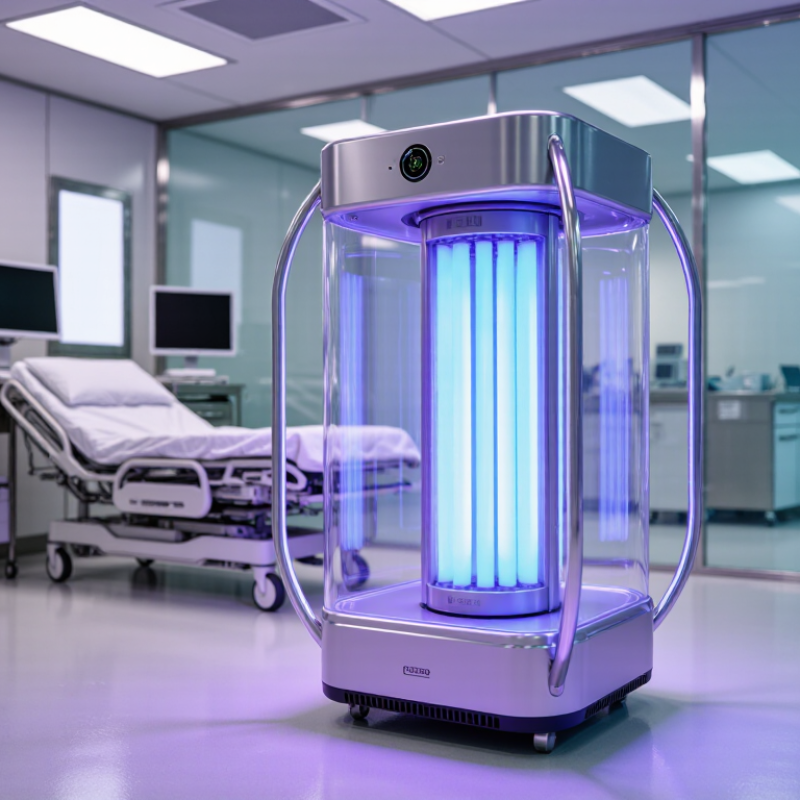
Why Use UV Disinfection Systems for Better Hygiene?

How UV Disinfection Systems Work

Ultraviolet disinfection systems improve hygiene by using UV-C light to damage microbial DNA and RNA. This process prevents many bacteria, viruses, and molds from reproducing. It does not rely on chemical additives or leave a disinfectant taste. That makes it useful for treated water, air, and exposed surfaces.

Inside a UV chamber, water or air passes near a UV-C lamp. The system must deliver enough light intensity for a sufficient exposure time. Flow rate matters. A fast-moving stream may receive too little UV energy. Sensors can monitor lamp output, while quartz sleeves help transmit the light. Dust or mineral buildup can reduce performance, sometimes without obvious warning.

Clear conditions are important. Cloudy water, dirt, and hidden surface areas can shield microorganisms from the light. UV also provides no lasting protection after treatment. For reliable operation, technicians should inspect lamps, clean sleeves, check sensors, and verify the intended dose. Independent testing can confirm whether the system performs under real operating conditions. It is easy to assume that a glowing lamp means complete disinfection. That assumption needs questioning. Regular maintenance and careful system design matter more than appearance.

Key Hygiene Benefits of UV Disinfection

Why Use UV Disinfection Systems for Better Hygiene?

UV disinfection systems support stronger hygiene by using ultraviolet-C light to reduce microorganisms on exposed water, air, and surfaces. They work without adding chemical residues or changing the taste of treated water. In healthcare, food preparation, and shared facilities, this can add an important layer of protection. The benefit is practical: fewer untreated contact points and more consistent sanitation between cleaning cycles. However, UV is not magic. It only works where sufficient light reaches the target.

Key hygiene benefits include rapid treatment, low chemical use, and easier integration into existing routines. A properly designed system can help reduce microbial risks in air ducts, storage tanks, and equipment areas. Professional assessment matters because lamp strength, exposure time, and surface condition affect performance. Dust, shadowed areas, or cloudy water can reduce effectiveness. That limitation matters. Operators should follow testing schedules and replace components according to verified service guidance.

Tips: Keep UV chambers clean and inspect them regularly. Confirm the delivered dose, rather than trusting appearance alone. Position surfaces to reduce shaded zones. Combine UV with routine cleaning, hand hygiene, and ventilation. Record maintenance checks clearly. A small oversight can weaken a good system, so review the setup after installation and during seasonal changes.

Why Use UV Disinfection Systems for Better Hygiene?

Representative UV-C fluence required for approximately 3-log microbial reduction (99.9%) in controlled water-treatment conditions.

UV-C disinfection works by damaging microbial DNA or RNA, helping reduce bacteria, protozoa, and viruses without adding chemical residues to treated water. The required dose varies by organism, water quality, UV transmittance, and system design; therefore, professional systems must be properly sized and validated.

Data shown are representative public-health and water-treatment reference values. Actual performance depends on operating conditions and should be verified through system testing.

Types of UV Disinfection Systems

UV disinfection systems use ultraviolet-C energy to reduce microorganisms on exposed surfaces, in air, or in water. Their design depends on the treatment area. Air-handling units install UV lamps inside ducts, where controlled airflow passes through the treatment zone. These systems can help reduce airborne contamination, but poor airflow design may limit exposure time.

Upper-room systems place shielded UV fixtures high on walls or ceilings. They treat air circulating above occupied spaces. Portable room units target surfaces and air, although furniture can create shadows.

Water UV systems work inside treatment chambers, where flowing water receives a measured dose. They require clear water, because sediment can block UV energy. Point-of-use devices provide focused treatment for smaller water lines or equipment. They are useful, but capacity varies.

Tips: Choose a system after checking room size, airflow, water quality, and occupancy. Ask for verified output data, not only lamp wattage. Clean lamps and quartz sleeves regularly. Replace aging lamps according to measured performance. Never bypass shielding or safety switches. A perfect-looking installation can still underperform. Independent testing and professional commissioning improve reliability. Maintenance records also matter, though they are often neglected.

Factors to Consider Before Choosing a UV System

Why Use UV Disinfection Systems for Better Hygiene?

Choosing a UV disinfection system requires more than checking its lamp power. The treatment dose must match the water flow, organism risk, and intended application. A busy kitchen line may need a different design than a small clinic sink. Ask for verified performance data, not broad claims. Reliable testing should reflect real operating conditions.

Water clarity is critical. Cloudy water can shield microorganisms from UV-C exposure. A prefilter may improve performance by removing sediment and suspended particles. Flow sensors, lamp monitors, and safety shutoffs also deserve attention. These details help operators notice problems before hygiene standards decline. They are easy to overlook.

Lamp aging matters. Output can weaken even when the lamp still appears bright. Maintenance schedules should include cleaning the quartz sleeve, replacing lamps, and recording service dates. UV leaves no lasting disinfectant residual, so treated water can become contaminated again after exposure. Storage and pipe cleanliness still matter. I have seen systems installed correctly but maintained poorly. The equipment was not the real failure.

Consider energy use, access for servicing, and available installation space. Ask whether the system has independent validation for your specific flow rate. A lower purchase price may create higher maintenance costs later. Staff training is important too. A warning light helps, but only if someone responds to it. Reliability depends on daily habits, not hardware alone.

Why Use UV Disinfection Systems for Better Hygiene? – Factors to Consider Before Choosing a UV System
Decision Factor What to Check Before Choosing a System Typical Technical Data or Requirement Hygiene and Operational Value Important Limitation
UV-C Wavelength Confirm that the system emits germicidal ultraviolet light in the UV-C range and that the claimed performance has been independently validated. Low-pressure mercury lamps commonly emit at approximately 253.7 nm. UV-C LED systems may use wavelengths near 260–280 nm. UV-C damages microbial DNA or RNA, preventing microorganisms from replicating and reducing their ability to cause infection. Effectiveness depends on delivered dose, exposure time, lamp output, water or air quality, and the microorganism involved.
UV Dose Select a system based on the required validated dose for the target microorganisms, not only on lamp wattage. UV dose is commonly expressed in mJ/cm² and is calculated from UV intensity multiplied by exposure time. Many drinking-water systems are designed around validated doses of approximately 40 mJ/cm², subject to local requirements and application. A correctly validated dose supports predictable microbial inactivation and helps maintain consistent hygiene performance. Higher dose does not compensate for poor flow control, excessive turbidity, fouling, or shadowed surfaces.
Target Microorganisms Identify whether the goal is control of bacteria, viruses, protozoa, molds, or a specific organism and review organism-specific validation data. UV sensitivity varies significantly. Some protozoa can be effectively controlled with UV, while certain spores and viruses may require higher doses. Matching the system to the actual microbial risk prevents under-sizing and improves public-health protection. UV does not remove microorganisms physically and does not guarantee equal inactivation for every species at the same dose.
Water Transmittance or Air Quality For water, measure UV transmittance, turbidity, color, and suspended solids. For air, assess particulate loading and airflow conditions. Higher UV transmittance allows more UV light to pass through water. Suspended particles can shield microorganisms from UV exposure. Pretreatment improves light penetration and makes the delivered dose more uniform. UV is not a substitute for filtration, clarification, or removal of dissolved contaminants.
Flow Rate and Contact Time Verify the maximum and minimum flow rates, hydraulic design, reactor volume, and the system’s validated operating range. Increasing flow reduces exposure time and can reduce the delivered UV dose unless the system is designed for the higher flow. Accurate flow control helps prevent short-circuiting and ensures microorganisms receive sufficient exposure. Operating above the rated flow can significantly reduce disinfection performance.
Lamp or LED Service Life Review the expected useful life, output depreciation, replacement intervals, operating hours, and availability of replacement parts. Low-pressure UV lamps commonly require periodic replacement because UV output decreases with operating time. LED service life depends on thermal management and drive conditions. Planned replacement helps maintain the required dose and reduces unexpected loss of disinfection capacity. Electrical operation does not prove that sufficient UV-C output is still being delivered.
Monitoring and Alarms Look for a calibrated UV intensity sensor, flow monitoring, lamp-status indicators, dose alarms, and automatic shutoff or diversion where appropriate. A properly configured system should alert operators to low UV intensity, lamp failure, excessive flow, or sensor faults. Real-time monitoring supports corrective action before untreated or inadequately treated water or air reaches the point of use. Sensors require calibration and can become fouled, aged, or affected by incorrect installation.
Quartz Sleeve and Fouling Control Assess water hardness, iron, manganese, organic deposits, cleaning access, and whether manual or automatic sleeve cleaning is required. Deposits on the quartz sleeve reduce UV transmission from the lamp into the treatment stream. Clean sleeves help preserve UV intensity and maintain consistent treatment between maintenance visits. Fouling can cause performance loss even when the lamp remains powered and appears operational.
Chemical-Free Operation Determine whether the application requires reduced chemical handling, taste-free treatment, or minimized formation of chemical disinfection by-products. UV treatment generally adds no residual chemical and does not normally change water taste or odor. It can reduce chemical storage and handling while providing rapid inactivation during treatment. Because UV leaves no lasting residual, it does not protect against recontamination downstream.
Residual Disinfection Strategy Evaluate the length and complexity of downstream piping, storage tanks, dead legs, and the risk of post-treatment contamination. UV acts at the treatment point and provides no continuing disinfectant residual in water or on surfaces. A separate residual or hygienic distribution strategy may be needed for large or vulnerable systems. Poor downstream hygiene can undermine the benefit of effective UV treatment at the reactor.
Human and Equipment Safety Confirm shielding, interlocks, access controls, warning labels, electrical protection, and compliance with applicable safety requirements. Direct exposure to germicidal UV-C can injure eyes and skin. Enclosed systems should prevent exposure during normal operation. Safe enclosure and automatic shutdown protect operators and occupants while allowing routine disinfection. Open-room UV-C equipment requires controlled access, occupancy procedures, and specialized safety management.
Validation and Compliance Request third-party validation, installation requirements, performance curves, test conditions, and documentation relevant to the intended application. Validation should consider dose delivery, flow range, water or air characteristics, sensor accuracy, and target microorganisms. Verified performance provides stronger evidence than theoretical lamp output or marketing claims. A system validated for one application may not perform identically in a different installation or operating condition.
Energy and Total Operating Cost Compare power consumption, lamp or LED replacement, cleaning labor, sensor calibration, pretreatment, and downtime requirements. Energy use depends on flow, required dose, lamp efficiency, reactor design, water quality, and operating schedule. Efficient equipment and preventive maintenance can provide reliable disinfection with predictable operating costs. Lowest purchase price may not represent the lowest total cost over the system’s service life.
Application Fit Define whether the system will treat drinking water, process water, wastewater effluent, indoor air, HVAC air, or exposed surfaces. Closed-water reactors, in-duct air systems, upper-room systems, and surface-disinfection units have different designs and safety controls. Choosing the correct configuration improves coverage, dose delivery, and operator safety. A UV system designed for water should not be used for air or surface treatment without appropriate engineering and validation.

Note: Actual performance depends on system design, installation, operating conditions, maintenance, and applicable local standards. The technical ranges shown are general industry references and should not replace application-specific validation.

Safe Installation and Routine Maintenance Practices

Why Use UV Disinfection Systems for Better Hygiene?

Safe installation determines whether a UV disinfection system improves hygiene or creates avoidable risks. Place the unit inside a controlled enclosure, away from direct eye and skin exposure. Doors should have reliable interlocks that stop the lamps when opened. A qualified electrician should check wiring, grounding, ventilation, and emergency shutoff access. Follow the equipment manual and local safety requirements carefully. Small installation errors matter.

Routine maintenance keeps ultraviolet energy effective. Inspect lamps, sleeves, seals, sensors, and warning labels on a fixed schedule. Dust or mineral film can reduce UV transmission, even when the lamp still looks bright. Clean quartz sleeves with approved materials and isolate power before opening the chamber. Replace lamps according to verified operating hours, not appearance alone. Keep a simple service log with dates, readings, cleaning work, and staff initials.

Verification should support confidence, not replace judgment. Use calibrated sensors or dose-monitoring tools when the system requires performance checks. Test interlocks after maintenance, then record the result. A common mistake is assuming that normal sound means normal disinfection. It does not. The weakest point may be a loose seal, an inaccurate sensor, or rushed cleaning. Teams should review missed checks honestly and adjust the schedule when real conditions demand it. Better hygiene depends on disciplined habits, not UV light alone.

FAQS

How does UV disinfection improve hygiene?

UV-C light reduces microorganisms on exposed water, air, and surfaces. It works quickly and leaves no chemical taste or residue. Not by itself. Combine it with cleaning, hand hygiene, and ventilation.

Where can UV disinfection systems be useful?

They can support hygiene in healthcare areas, food preparation spaces, shared facilities, air ducts, tanks, and equipment zones. The light must reach the target directly. Shadows and dust can leave untreated areas.

Does UV disinfection work in cloudy water?

Cloudy water can shield microorganisms from UV-C exposure. A prefilter may remove sediment and suspended particles. Water clarity matters greatly. Do not judge performance by appearance alone.

What should be checked before choosing a UV system?

Match the treatment dose to water flow, organism risk, and intended use. Request performance data from testing under real operating conditions. A small sink and a busy kitchen line need different designs.

Does a bright lamp prove effective disinfection?

No. Lamp output can weaken while the lamp still looks bright. Check delivered dose, lamp age, sensor readings, and exposure time. Bright is not enough.

How should a UV system be installed safely?

Place the unit inside a controlled enclosure. Prevent direct eye and skin exposure. Use reliable door interlocks, proper grounding, ventilation, and emergency shutoff access. Small errors matter.

What routine maintenance does UV equipment require?

Inspect lamps, quartz sleeves, seals, sensors, and warning labels regularly. Clean mineral film and dust with approved materials. Isolate power before opening the chamber. Record dates, readings, cleaning, and staff initials.

Can treated water become contaminated again after UV exposure?

Yes. UV leaves no lasting disinfectant residual. Clean storage tanks and pipes, and protect treated water from later contact. The equipment may work properly, but maintenance habits can still fail.

Conclusion

UV disinfection systems use ultraviolet-C light to neutralize microorganisms by disrupting their DNA, preventing them from multiplying. This chemical-free process can support cleaner air, water, and surfaces when applied correctly. How UV Disinfection Systems Improve Hygiene Management is especially evident in their ability to provide continuous or targeted treatment while reducing reliance on chemical disinfectants. Common options include air sterilization units, water treatment systems, surface disinfection devices, and enclosed chamber systems, each designed for different environments and hygiene goals.

Before choosing a UV system, users should consider the treatment area, exposure time, airflow or water flow, lamp effectiveness, energy use, and safety controls. Proper installation is essential because UV-C exposure can harm skin and eyes. Systems should include protective shielding, automatic shutoff features, and clear operating instructions. Routine maintenance, including lamp cleaning, performance checks, and timely replacement of aging components, helps preserve effectiveness and supports consistent hygiene management over time.

Henry

Henry

Henry is a dedicated marketing professional with a profound expertise in the company's offerings. With years of experience in the industry, he possesses an impressive understanding of the market dynamics and consumer behaviors that drive success. Henry is committed to sharing his insights through......