How to Utilize UV Disinfection Systems in Industrial Applications?

Time:2026-05-16 Author:Madeline
0%

The Industrial Applications Of UV Disinfection Systems are gaining traction in various sectors. These systems utilize ultraviolet light to eliminate harmful pathogens. Many industries appreciate their effectiveness and efficiency in improving hygiene standards.

In food processing, UV disinfection systems ensure safe production environments. They are crucial for reducing contamination risks. Water treatment facilities also rely on UV technologies. The need for clean water is paramount in industrial settings. However, the integration of these systems is not without challenges. Companies must consider system design and operation costs.

While UV disinfection offers numerous benefits, reliance solely on this technology may not be enough. A comprehensive approach is essential. It’s important to combine UV systems with other sanitation methods to ensure robust safety. As industries adopt these technologies, ongoing evaluation and innovation will remain key.
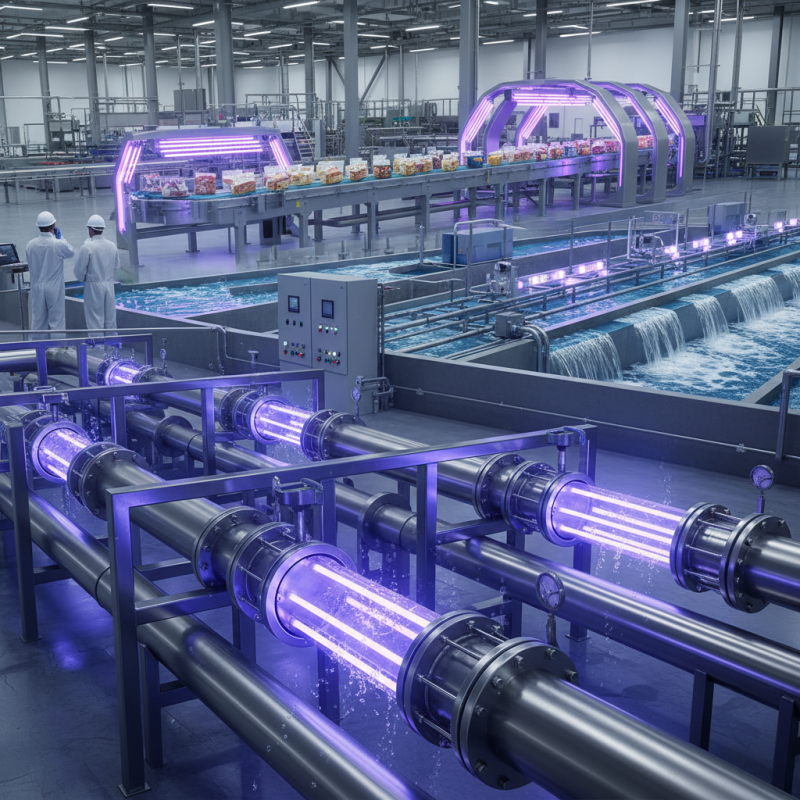
How to Utilize UV Disinfection Systems in Industrial Applications?

Understanding UV Disinfection: Principles and Mechanisms in Industry

Ultraviolet (UV) disinfection is a powerful method used in various industrial applications. Understanding its principles can help organizations improve their sanitation processes. UV light works by disrupting the DNA of harmful microorganisms, rendering them unable to reproduce. This technology is gaining traction for water treatment, air purification, and surface disinfection in manufacturing settings.

Implementing UV disinfection systems requires careful planning. Evaluate the target pathogens and the system's effectiveness against them. It's crucial to consider the water quality and flow rates when designing a UV treatment process. Proper maintenance is also key to ensuring optimal performance. Regularly checking lamp intensity can prevent reduced efficiency over time.

Tips: Ensure the UV system complies with local regulations to avoid future complications. Staff should be trained to understand the technology and its limitations. Regular audits can help identify areas for improvement, ensuring you stay ahead of potential challenges in disinfection practices.

Benefits of UV Disinfection Systems for Industrial Water Treatment

UV disinfection systems have gained traction in industrial water treatment. They effectively eliminate pathogens without adding harmful chemicals. This method is safe and complies with strict environmental standards. Industries can utilize UV systems for purifying water used in food processing, pharmaceuticals, and manufacturing.

One major benefit of UV disinfection is its efficiency. The system operates quickly, treating water in minutes. Unlike chemical treatments, UV systems require minimal maintenance. They reduce the risk of chemical residues in the environment. However, regular monitoring is necessary to ensure effectiveness.

Another advantage is scalability. UV systems can be adjusted to fit various water treatment requirements. They are versatile and can cater to both small and large-scale applications. Yet, implementation can be costly and may require staff training. Proper training is essential to maximize the system's potential. Balancing the costs with benefits is crucial for informed decision-making.

How to Utilize UV Disinfection Systems in Industrial Applications? - Benefits of UV Disinfection Systems for Industrial Water Treatment

Parameter Description Benefits
Efficacy Effectively eliminates bacteria, viruses, and protozoa without the use of chemicals. Maintains water quality and safety.
Chemical-Free Uses UV light instead of chemicals for disinfection. Reduces chemical costs and handling risks.
Maintenance Requires regular lamp replacement and system checks. Simple maintenance procedures ensure long-term reliability.
Energy Efficiency Low energy consumption compared to traditional systems. Reduces operational costs and environmental impact.
Installation Can be integrated into existing water treatment systems. Flexibility in implementation and upgrades.

Comparative Analysis of UV vs. Traditional Disinfection Methods

In industrial settings, UV disinfection systems offer significant advantages over traditional methods. Traditional disinfection often resorts to chemical agents, which can leave harmful residues. In contrast, UV disinfection is chemical-free, posing minimal risk to operators and the environment. A study by the American Water Works Association reveals that UV systems can reduce pathogens by over 99.9%, making them highly effective.

Moreover, the operating costs of UV systems can be lower over time. Energy-efficient UV lamps have a long lifespan, reducing replacement needs. An analysis from the Environmental Protection Agency indicates that UV systems require less frequent maintenance compared to chemical systems. However, the initial investment can be high, leading to concerns about affordability for some industries.

Additionally, there are challenges in ensuring adequate UV exposure. Factors like water clarity and flow rates impact effectiveness. Poorly designed UV systems might fail to achieve desired disinfection levels. This highlights the importance of proper system design and operational practices. As the industry evolves, ongoing evaluations of both UV and traditional methods are essential for optimizing disinfection outcomes.

Implementation Strategies for UV Disinfection in Industrial Settings

Ultraviolet (UV) disinfection systems have become essential in industrial applications. Implementing these systems effectively requires a strategic approach. Start by assessing the specific needs of your facility. Consider factors such as the types of pathogens present and the scale of production.

Regular maintenance is crucial. Dirty lamps reduce effectiveness. Schedule periodic cleaning to maintain optimal performance. It's also beneficial to conduct routine monitoring of UV intensity. This will ensure that the systems are functioning as intended.

**Tip:** Train staff to recognize the signs of system failure, like unusual changes in water quality.

Engage with experts when setting up these systems. Their insights can guide the selection of the appropriate UV technology. Design the layout for efficient UV exposure. Ensure the water flow rates meet system specifications.

**Tip:** Document the implementation process. A clear record helps identify areas for improvement.

Inadequate design can lead to inefficient disinfection. Be open to feedback and adapt your strategies as new advancements arise. The goal is to create a resilient disinfection framework that meets health standards and enhances safety.

Regulatory Standards and Best Practices for UV System Usage in Industry

When considering UV disinfection systems in industrial settings, adherence to regulatory standards is crucial. Various organizations set benchmarks for efficiency and effectiveness. These standards, such as those from health and environmental protection agencies, guide successful implementations. Industries must familiarize themselves with these regulations to ensure compliance and protect public health.

Best practices for UV system usage revolve around proper installation and maintenance. Regular checks and recalibrations help maintain efficacy. Each system's design should align with facility requirements to optimize performance. Staff training is vital too. Understanding how to operate and monitor these systems can reduce errors and enhance safety. Reflecting on past implementations is essential, as continuous improvement can lead to better outcomes.

FAQS

: What is UV disinfection?

: UV disinfection uses ultraviolet light to eliminate harmful microorganisms by disrupting their DNA.

How does UV disinfection work in water treatment?

UV light treats water by effectively reducing pathogens without introducing harmful chemicals.

What should be considered when implementing UV disinfection systems?

Evaluate target pathogens, system effectiveness, water quality, and flow rates for optimal design.

Why is maintenance important for UV systems?

Regular checks on lamp intensity are crucial for maintaining efficiency and preventing reduced performance.

What are the benefits of using UV disinfection?

UV systems operate quickly, eliminate pathogens effectively, and have minimal maintenance requirements.

Are UV disinfection systems scalable?

Yes, they can be adjusted for various applications, from small to large-scale water treatment needs.

How does UV disinfection compare to traditional methods?

UV systems are chemical-free, posing less risk, while traditional methods may leave harmful residues.

What challenges exist with UV disinfection?

Factors like water clarity and flow rates can affect effectiveness; proper design is essential.

Is staff training necessary for UV systems?

Yes, staff need proper training to maximize the system’s potential and understand its limitations.

Are UV systems cost-effective in the long run?

Over time, operating costs can be lower, but initial investments can be a concern for some industries.

Conclusion

UV disinfection systems offer a promising solution for industrial applications, leveraging ultraviolet light to eliminate pathogens and contaminants in water treatment processes. Understanding the principles and mechanisms of UV disinfection is crucial, as they provide a chemical-free method of ensuring water safety. The benefits include reduced chemical usage, lower operational costs, and minimal environmental impact compared to traditional disinfection methods.

To successfully implement UV disinfection systems in industrial settings, organizations must develop strategic plans that align with regulatory standards and industry best practices. This ensures not only compliance but also maximizes the effectiveness of the systems. A comparative analysis of UV versus traditional disinfection methods highlights the efficiency and reliability of UV technology, making it an attractive option for industries aiming to enhance water quality in their operations.

Madeline

Madeline

Madeline is a dedicated marketing professional with a wealth of expertise in our company's core offerings. With a keen understanding of the industry, she brings a unique perspective to her role, consistently delivering high-quality content that highlights the superior aspects of our products. As......