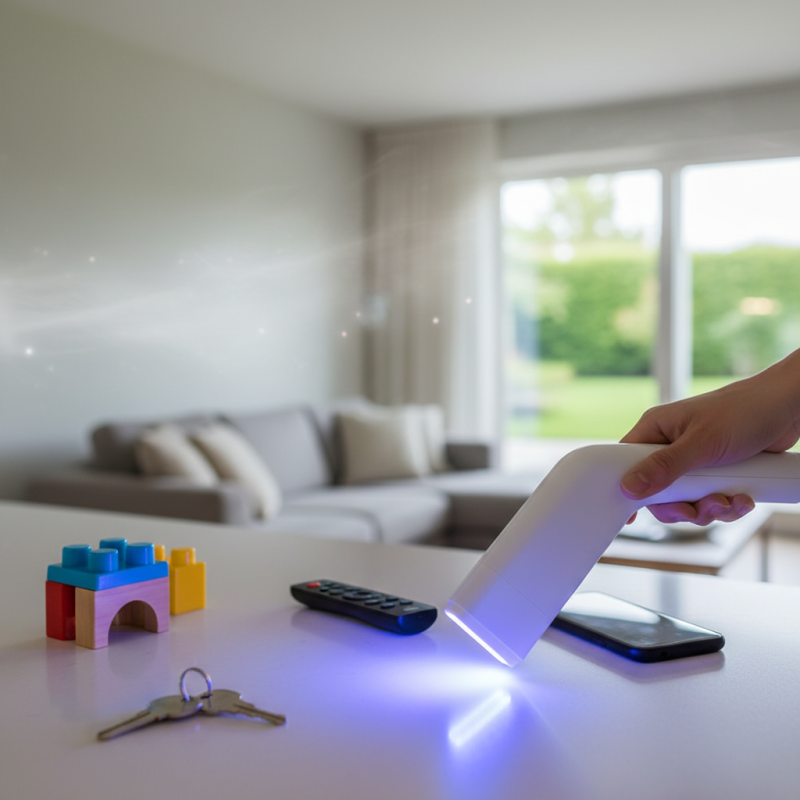
In today’s health-conscious world, understanding the benefits of UV sterilization in daily life is essential. UV sterilization offers a powerful solution for enhancing hygiene and ensuring safety in our surroundings. By utilizing ultraviolet light, harmful microorganisms can be effectively killed without the use of chemicals. This method is increasingly adopted in homes and workplaces.
Imagine sanitizing surfaces and air in your living space. It reduces the risk of infections and allergies. Using UV sterilization devices, families can feel safer, knowing that germs are eliminated. However, there are challenges to consider, such as the proper use of these devices and the need for consistent maintenance. Misuse could lead to ineffective sterilization.
As we explore the benefits of UV sterilization, it is crucial to remain informed about its proper applications. Understanding these aspects will help users maximize its potential and address any concerns. Embracing UV sterilization is not just about technology; it's about fostering a healthier lifestyle for ourselves and our families.
Understanding UV Sterilization: What It Is and How It Works
UV sterilization is a powerful method for eliminating harmful microorganisms. It involves using ultraviolet light to damage the DNA of bacteria, viruses, and other pathogens, preventing their reproduction. This process is effective even in small spaces. Many industries, including healthcare, food production, and water treatment, utilize UV sterilization due to its efficiency.
Tips: When using UV sterilization, ensure that the light reaches all surfaces. Shadows can create areas where pathogens remain. Regularly check and maintain your UV systems to ensure they operate normally.
The technology behind UV sterilization is rooted in physics and biology. UV light is divided into three categories: UVA, UVB, and UVC. UVC light is the most effective for sterilization. It can kill up to 99.9% of germs. However, exposure to UV light can be harmful to skin and eyes. Caution is required in its application.
Tips: Always use protective gear when operating UV devices. Consider installing safety features that turn off the UV light when someone is present. Education on UV sterilization is essential for safe usage. This ensures that everyone involved understands the risks and benefits associated with this powerful technology.
Key Advantages of UV Sterilization in Healthcare Settings
In recent years, UV sterilization has gained recognition in healthcare settings. It offers precise advantages for infection control and safety. One significant benefit is its ability to eliminate pathogens without harmful chemicals. This method uses ultraviolet light to disrupt the DNA of bacteria and viruses. As a result, it can reduce surface contamination effectively.
Another advantage is its efficiency in diverse environments like hospitals and clinics. UV sterilization allows quick disinfection of multiple surfaces, such as surgical tools and waiting areas. The process typically takes only minutes, which can be critical in busy healthcare facilities. However, reliance on this method alone can be misleading. Regular cleaning practices must still be in place to ensure comprehensive safety.
Moreover, UV sterilization enables a safer environment for patients and staff alike. Reduced infection rates can lead to shorter hospital stays and fewer complications. Patients feel more secure knowing they are in a sanitized space. Yet, it's worth noting that not all surfaces may be adequately treated. Shadows and obstructions can hinder light penetration, leaving some areas vulnerable. Continuous monitoring and adjustments to the sterilization process are essential.
Effectiveness of UV Sterilization Against Various Pathogens
UV sterilization has proven to be highly effective against a variety of pathogens. Studies show that UV-C light can inactivate up to 99.9% of common bacteria and viruses when properly applied. For instance, research from the Centers for Disease Control and Prevention highlights its efficacy against pathogens like E. coli and Salmonella. This level of effectiveness is essential in environments where hygiene is critical.
The technology works by damaging the DNA or RNA of microorganisms, preventing them from replicating. A report from the World Health Organization emphasizes that pathogens such as influenza and coronaviruses can also be effectively neutralized with UV sterilization. However, the effectiveness depends on dosage, exposure time, and the presence of organic matter. Many setups may not achieve optimal conditions, leading to less-than-desired outcomes. This calls for careful evaluation of the sterilization process and environmental factors.
While UV sterilization is a powerful tool in infection control, it may not eliminate all contaminants. Some spores and certain viruses can be more resistant. Additionally, users must be aware of potential health risks associated with UV exposure. Developing best practices for safe and efficient usage is crucial. As research progresses, ongoing improvements in UV technology may enhance its reliability as a sterilization method.
Top 5 Benefits of UV Sterilization You Need to Know
Environmental and Safety Benefits of Using UV Sterilization
UV sterilization offers significant environmental benefits. One major advantage is its ability to effectively eliminate harmful microorganisms. This technology uses ultraviolet light to destroy pathogens without needing harmful chemicals. This reduces chemical waste and pollution, crucial for our ecosystem.
Using UV sterilization contributes to a safer environment. Many traditional sterilization methods rely on harsh substances that can contaminate air and water. In contrast, UV light does not create harmful byproducts. It helps maintain the natural balance, ensuring cleaner and safer surroundings. Yet, while this method is efficient, it is essential to understand proper usage to achieve maximum effectiveness.
Community awareness around UV sterilization is growing. However, education is necessary to ensure the public uses this technology correctly. Misunderstanding its applications can lead to underwhelming results. For example, relying solely on UV light in areas with heavy contamination might not suffice. Balancing UV sterilization with other safety measures is crucial for optimal results.
Comparing UV Sterilization to Traditional Sterilization Methods
When it comes to sterilization methods, UV sterilization stands out against traditional techniques. Traditional methods often rely on heat or chemicals. These can be effective but may damage sensitive materials. In contrast, UV sterilization uses ultraviolet light to target pathogens efficiently. According to a report from the World Health Organization, UV light has been shown to reduce microbial load by over 99% in various environments. This effectiveness is pivotal in healthcare settings.
One key advantage of UV sterilization is its speed. Traditional methods can take hours, while UV can work in minutes. This saves time significantly, especially in busy medical facilities. Moreover, UV sterilization is chemical-free, making it environmentally friendly. However, it’s essential to consider that UV light only works line-of-sight. Consequently, surfaces must be unobstructed for the process to be fully effective.
**Tip:** Ensure regular maintenance of UV devices to enhance performance. Also, consider the type of pathogens you are targeting, as different wavelengths are more effective against specific microorganisms. It's important to note that while UV sterilization is a powerful tool, it should not completely replace traditional methods. Understanding their strengths and limitations is crucial for effective sterilization.
Conclusion
UV sterilization is an advanced method that utilizes ultraviolet light to eliminate harmful pathogens, making it an essential tool in healthcare settings and beyond. Understanding the science behind UV sterilization is crucial, as it effectively targets bacteria, viruses, and other microorganisms, ensuring a safe environment for patients and healthcare workers alike.
The benefits of UV sterilization in daily life extend beyond medical applications. From purifying air and water to disinfecting surfaces in homes and public spaces, the environmental and safety advantages are significant. Compared to traditional sterilization methods, UV sterilization offers a chemical-free solution that is efficient and sustainable, promoting better hygiene and health outcomes in everyday settings.
 Dextra Light
