In recent years, businesses have increasingly turned to UV light for disinfection and sterilization. While this method shows promise, it comes with significant risks. Understanding the **Key Safety Considerations When Using UV Light** is essential for any business owner.
Improper use of UV light can lead to health hazards. Prolonged exposure can cause skin burns and eye injuries. Employees and customers must be protected from these dangers. This requires implementing strict protocols and safety gear.
Additionally, regular training is necessary for staff. They should be aware of the risks and the correct usage of UV equipment. Reflecting on past incidents can help improve safety practices. By prioritizing safety, businesses can effectively harness the benefits of UV light while minimizing potential harm.
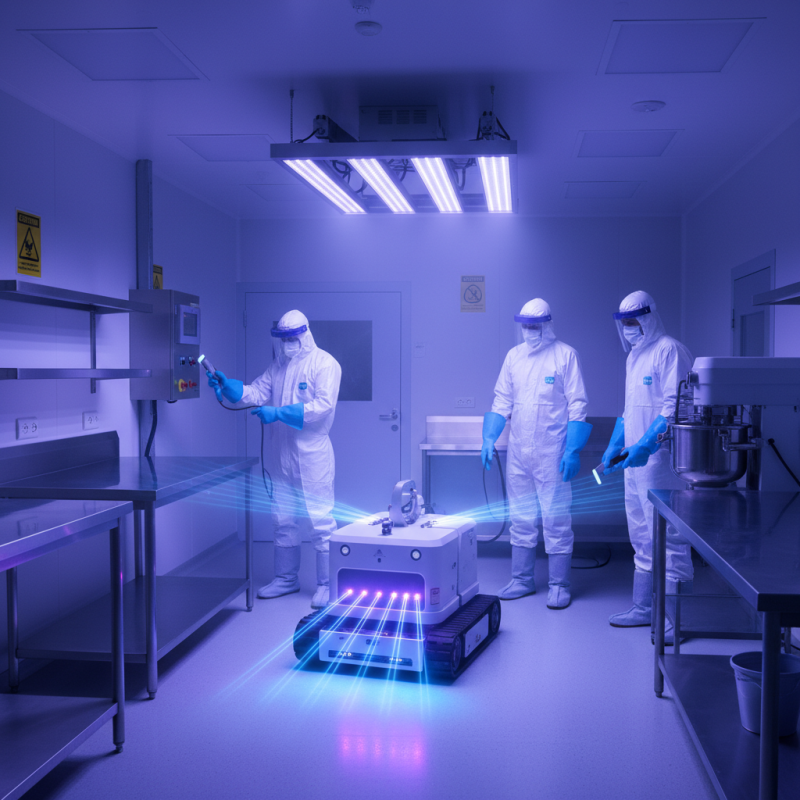
Ultraviolet (UV) light is gaining traction in various businesses. It offers unique applications, especially in disinfection and manufacturing processes. Different types of UV light, such as UV-A, UV-B, and UV-C, serve specific purposes. UV-C is particularly notable for its germicidal properties. It can eliminate pathogens effectively in healthcare settings and restaurants. However, its powerful effects demand respect and caution.
Businesses must consider safety risks when using UV light. Excessive exposure can cause skin burns or eye damage. Workers and customers should not be exposed directly. Adequate training on UV light usage is vital. It ensures everyone is aware of potential hazards. Additionally, proper shielding and protective gear are necessary for staff. Risk assessments should be routinely conducted to adapt safety protocols.
Moreover, while UV light offers efficiency, it’s not foolproof. It doesn't penetrate dirt or debris, which can hinder effectiveness. Cleaning surfaces before UV treatment is crucial. This ensures optimal performance. Balancing benefits and safety presents challenges. Businesses must remain vigilant and proactive in their approach.
UV light can be an effective tool for sanitization in various business environments. However, its use comes with health risks that must not be overlooked. Prolonged exposure to UV light can lead to skin burns, eye damage, and even long-term health issues. It is crucial to protect employees and customers from these hazards.
Implementing protective measures is essential. Use UV light in controlled environments where workers can limit exposure time. Ensure that the area is clearly labeled to prevent accidental exposure by customers. Provide personal protective equipment, such as goggles and protective clothing, for employees who may work near UV light sources.
Communication is key. Regular training sessions can help raise awareness about the dangers of UV light exposure. Encourage staff to report any signs of discomfort. Feedback should be taken seriously; reflections on safety protocols can improve overall workplace standards. Always prioritize health over efficiency, as keeping everyone safe should be your main goal.
Implementing UV light solutions in businesses requires careful attention to safety protocols. Understanding the types of UV light is crucial. UV-C, for example, is effective for disinfection but can be harmful to skin and eyes. Proper training for staff is essential to minimize risks.
Tips: Always use UV light in unoccupied spaces. Set clear safety zones to avoid accidental exposure. Regularly inspect equipment to ensure proper functioning.
Monitoring exposure time is another important safety measure. Limiting the duration of UV light usage reduces potential hazards. Consider using UV light sensors that automatically shut off after a predetermined time.
Tips: Post clear signage around UV light areas. Train employees about the dangers and safe practices. Ensure access to protective equipment, like goggles and shields. These measures can help maintain a safe environment for everyone.
When implementing UV light systems in business settings, proper maintenance and monitoring of equipment is crucial. According to the Centers for Disease Control and Prevention (CDC), consistent upkeep can enhance efficiency by up to 30%. This includes regular inspections and timely replacements of UV lamps. Dimming intensity can occur as they age, leading to ineffective sanitization.
Staff training is essential for effective monitoring. Employees need to understand how UV equipment operates. They should recognize signs of malfunction. Regular performance checks, at least once a month, are advisable. Strategies like using sensors can alert staff to any equipment issues.
Moreover, documentation of maintenance records adds a layer of security. The Occupational Safety and Health Administration (OSHA) emphasizes the importance of tracking equipment performance. It can help identify patterns that may indicate strain or failure. This proactive approach can save businesses time and money in the long run. Ignoring maintenance could lead to unforeseen risks and costly downtime.
When using UV light in businesses, understanding regulatory guidelines is crucial. The U.S. Environmental Protection Agency (EPA) provides clear standards for UV disinfection. Companies must ensure their UV systems comply with these guidelines. According to a 2021 study, improper use of UV light can lead to health risks, including skin burns and eye damage.
Best practices suggest regular training for staff operating UV equipment. A report from the Centers for Disease Control and Prevention (CDC) emphasizes the importance of this training. Workers must understand the exposure limits and safety measures. Effective usage also requires proper maintenance of UV systems. Regular checks help maintain efficacy and safety.
Many businesses overlook the importance of personal protective equipment (PPE). It is essential, especially when working near UV sources. Some may assume UV light is safe, but exposure can be hazardous. Additionally, relying solely on UV light for disinfection is insufficient. Comprehensive hygiene practices must accompany its use. Reflection on these aspects can lead to better safety outcomes in workplaces.
| Consideration | Description | Regulatory Guidelines | Best Practices |
|---|---|---|---|
| UV Light Type | Different types of UV light (UVA, UVB, UVC) have different applications and risks. | Follow OSHA standards and guidelines for UV exposure. | Use UVC for disinfection but limit exposure duration. |
| Personal Protective Equipment (PPE) | Employees should wear appropriate PPE to prevent skin and eye damage. | Ensure compliance with PPE regulations specific to UV exposure. | Provide face shields, goggles, and UV-blocking clothing as necessary. |
| Area Access Control | Limit access to areas using UV light to trained personnel only. | Implement signage indicating UV radiation areas. | Use barriers or partitions to prevent unauthorized access. |
| Training and Awareness | Train employees on the risks and safety measures of UV light usage. | Adhere to training requirements outlined in safety regulations. | Conduct regular refresher training sessions. |
| Monitoring and Maintenance | Continuously monitor UV equipment for performance and safety. | Ensure equipment meets safety standards established by relevant bodies. | Schedule regular inspections and maintenance of UV equipment. |
: Prolonged UV light exposure can cause skin burns, eye damage, and long-term health issues.
Implement protective measures like limiting exposure time and using personal protective equipment.
Regular training raises awareness about UV risks and helps employees recognize signs of equipment malfunction.
Regular inspections, timely replacements of UV lamps, and performance checks are essential for effective sanitization.
At least once a month is advisable to ensure safety and efficiency.
Take reports seriously and reflect on safety protocols to improve workplace standards.
Yes, companies must comply with standards from regulatory bodies to ensure safe usage of UV systems.
Yes, PPE is crucial for protecting those who work near UV light sources.
No, UV light should be part of a comprehensive hygiene practice, not the sole method of disinfection.
Ignoring maintenance can lead to unforeseen risks and costly downtime due to equipment failure.
When implementing UV light solutions in business, it is crucial to consider several key safety considerations when using UV light. Understanding the different types of UV light and their specific applications can help organizations utilize this technology effectively while minimizing risks. Employers must be aware of the potential health risks associated with UV exposure for both employees and customers, ensuring adequate protective measures are in place.
Essential safety protocols should be established to govern the use of UV light, including proper training and clear operational guidelines. Regular maintenance and monitoring of UV equipment are vital to ensuring its safe and effective use in various business settings. Additionally, businesses must comply with regulatory guidelines and best practices to safeguard health and safety while maximizing the benefits of UV light applications. By prioritizing these aspects, businesses can harness the advantages of UV technology responsibly.

Dextra Light