The use of ultraviolet (UV) light spans various industrial sectors, often enhancing efficiency and productivity. James Anderson, a leading expert in UV technology, once said, "UV light is revolutionizing how industries approach sterilization and curing processes." This highlights the transformative impact of UV technology.
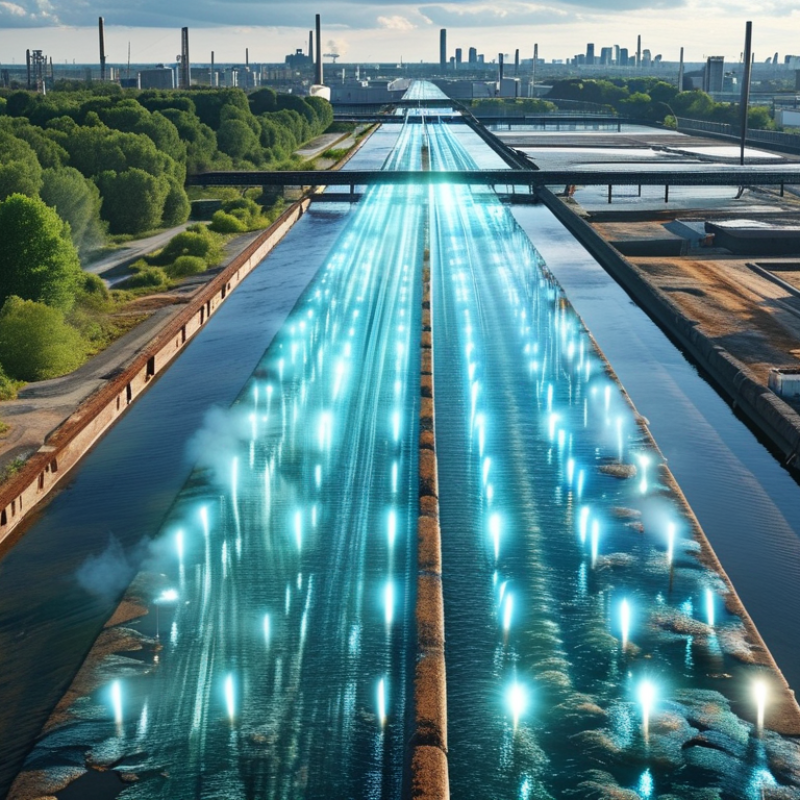
One of the common applications of UV light in industry includes water purification. This process effectively eliminates harmful microorganisms without relying on harsh chemicals. Additionally, UV light plays a significant role in curing inks, coatings, and adhesives, enabling faster production cycles and improved quality.
Despite its advantages, the implementation of UV light technology is not without challenges. For example, the effectiveness of UV treatment can vary based on water quality and turbidity levels. This inconsistency necessitates careful planning and assessment to ensure optimal results. As industries increasingly adopt UV solutions, continuous adaptation and learning remain vital for maximizing benefits in the realm of common applications of UV light in industry.
UV light plays a crucial role in various industrial applications. Its effectiveness in sterilization, curing, and material processing makes it a valuable tool. There are several common types of UV light used across different sectors.
UV-A, UV-B, and UV-C are the primary types. UV-C is especially known for its germicidal properties. It is used extensively in water treatment plants and air purification systems. UV-C can kill bacteria and viruses effectively. Moreover, UV-A is favored for curing inks and coatings. This type promotes faster drying and enhances finish quality.
Each type has its specific uses and benefits. However, the potential for overexposure remains a concern. Safety measures must be in place. For example, operators need protective gear to handle UV-C devices. Also, there is room for improvement in the technology. As industries evolve, finding safer and more effective UV applications can enhance performance.
Ultraviolet (UV) light plays a crucial role in modern water treatment solutions. Its effectiveness is primarily due to its ability to penetrate and deactivate harmful microorganisms. Reports indicate that UV systems can achieve a disinfection rate of over 99% for bacteria and viruses. This is particularly important as waterborne diseases remain a significant public health concern globally.
In practical applications, UV light is commonly used in municipal water treatment plants, ensuring safe drinking water for millions. According to the Water Quality Association, approximately 55% of Americans rely on public water systems that utilize UV treatment methods. This technology offers a chemical-free alternative to traditional chlorine disinfection, reducing toxic byproducts in the water supply.
However, some challenges remain. UV treatment does not remove chemical contaminants or heavy metals. Therefore, additional filtration systems may be necessary to ensure comprehensive water purification. Moreover, maintaining UV equipment is essential for optimal performance, as lamp intensity can diminish over time. Continuous monitoring of UV dose is vital to prevent lapses in disinfection efficiency. These nuances highlight the importance of understanding UV technology in water treatment.
Ultraviolet (UV) light plays a crucial role in various manufacturing processes, particularly in curing applications. This technology utilizes UV light to harden or cure materials like inks, coatings, and adhesives. Through a photochemical reaction, UV light effectively transforms liquid substances into solid form within seconds. This speed can significantly enhance production rates, making it appealing for industries that require high efficiency.
The benefits of UV light in curing processes are noteworthy. It offers stronger bonding compared to traditional methods. UV-cured products often exhibit enhanced durability and resistance to chemicals. In addition to strength, the precision of the curing process minimizes waste. There’s less material to clean up, leading to a cleaner workspace. However, it’s essential to monitor the exposure time and intensity of the UV light. Overexposure can lead to issues such as discoloration or brittleness in some materials.
Despite its advantages, reliance on UV light isn't without challenges. Proper safety measures must be implemented to protect workers from harmful exposure. It’s also necessary to ensure compatible materials are used to avoid poor curing results. Manufacturers should continue to evaluate and adapt their practices to maximize the benefits of UV technologies while addressing potential drawbacks. This ongoing reflection will lead to improved processes and better products over time.
Ultraviolet (UV) light plays a vital role in medical and healthcare environments. It is widely utilized for disinfection purposes. A report from the World Health Organization indicates that UV-C light can effectively eliminate up to 99.9% of pathogens, including bacteria and viruses. This makes UV light a critical tool in infection control, especially in hospitals and clinics.
In surgical rooms, UV light fixtures are becoming standard. These systems help maintain sterile conditions. Research highlights that using UV disinfection can significantly reduce the rate of hospital-acquired infections. A study showed a 30% decrease in infections when using UV-C devices. This demonstrates how UV technology can enhance patient safety and improve healthcare outcomes.
However, the use of UV light is not without challenges. For example, prolonged exposure to UV rays can pose risks to human health. There are concerns about skin and eye damage. Moreover, ensuring proper UV coverage can be tricky in complex environments. Healthcare facilities must balance effective disinfection with safety protocols. Awareness of these limitations is crucial for effective implementation.
Ultraviolet (UV) light is gaining traction in the food industry for its ability to enhance safety and preservation. This technology effectively targets harmful microorganisms, thereby reducing foodborne illnesses. UV light can inactivate pathogens like E. coli and Salmonella without altering the taste or nutritional value of food. Processing food with UV light offers a chemical-free method for disinfecting fruits and vegetables.
One innovative application is UV treatment in packaged food. It helps extend shelf life without preservatives. This method not only maintains food quality but also appeals to health-conscious consumers. However, challenges remain in the uniform application of UV light. Ensuring that all surfaces receive enough exposure is crucial and requires careful planning.
Tips for using UV light in food safety include exploring its effectiveness on different types of food. Not all products respond similarly to UV treatment. Research shows that while leafy greens may benefit greatly, denser foods might need alternative methods. Additionally, investing in quality UV equipment is essential for achieving reliable results. Always consider the training of staff in using this technology properly.
| Application | Description | Benefits | Industry |
|---|---|---|---|
| Food Safety | UV light is used to eliminate pathogens in food products. | Reduces foodborne illnesses, extends shelf life. | Food & Beverage |
| Water Treatment | UV disinfection treats drinking and wastewater. | Chemicals free, effective against viruses and bacteria. | Environmental |
| Air Purification | UV light is used to purify air in HVAC systems. | Reduces allergens, improves air quality. | Healthcare, Commercial |
| Surface Disinfection | UV light is used for sanitizing surfaces in food processing. | Quick and effective, reduces chemical use. | Food & Beverage, Hospitality |
| Printing Industry | UV light is used in curing inks and coatings. | Instant drying, enhances print durability. | Manufacturing |
: The primary types are UV-A, UV-B, and UV-C. Each serves different purposes.
UV-C light can eliminate up to 99.9% of pathogens. It's effective against bacteria and viruses.
UV-A is favored for curing inks and coatings. It promotes faster drying and improves quality.
Operators should wear protective gear to prevent overexposure. Safety is essential to avoid health risks.
UV light helps maintain sterile conditions in surgical rooms. It can reduce hospital-acquired infections significantly.
Prolonged exposure can damage skin and eyes. Effective coverage can be hard to achieve in complex environments.
Yes, industries can enhance safety and effectiveness. Finding better applications is ongoing work.
Some studies show a 30% decrease in infections. This indicates its effectiveness in infection control.
Balancing effective disinfection with safety protocols is crucial. Awareness of UV limitations is important.
No, ensuring proper coverage and safety can be tricky. It's essential to assess each environment carefully.
Ultraviolet (UV) light plays a pivotal role across various industrial sectors, showcasing its versatility and effectiveness in numerous applications. Common applications of UV light in industry include its use in water treatment solutions, where it serves as a powerful tool for disinfection, ensuring safe and clean water. Additionally, UV light is integral to curing processes in manufacturing, providing rapid and efficient hardening of materials, which enhances productivity.
In the medical and healthcare environments, UV light is utilized for sterilization purposes, helping to maintain hygiene and safety standards. Moreover, innovative uses of UV light in food safety and preservation have emerged, as it effectively reduces microbial loads, extending the shelf life of food products. Overall, the adaptability and benefits of UV light make it an essential component in modern industrial applications, improving processes and ensuring safety across various domains.

Dextra Light