In today's workplace, hygiene is more crucial than ever. The COVID-19 pandemic has elevated our awareness of cleanliness. Employees want to feel safe in their environments. This is where UV technology comes in. Experts like Dr. Emily Harrison emphasize its potential. She states, "UV technology is a game changer for workplace hygiene." Implementing UV solutions can greatly enhance safety.
Understanding how to improve workplace hygiene with UV technology is vital. UV light can effectively eliminate bacteria and viruses on surfaces. For example, UV disinfection devices can be used in common areas. These areas often harbor germs and can lead to employee sickness. However, many still underestimate the importance of these advanced solutions. Some businesses still rely on traditional cleaning methods, which may not be sufficient.
Investing in UV technology shows commitment to employee well-being. It can create a healthier work atmosphere. While this technology is powerful, it is not a complete solution. Regular cleaning and personal hygiene still play critical roles. A balanced approach ensures a comprehensive hygiene strategy. The focus should remain on creating a safer workplace for everyone. This is essential for productivity and morale.
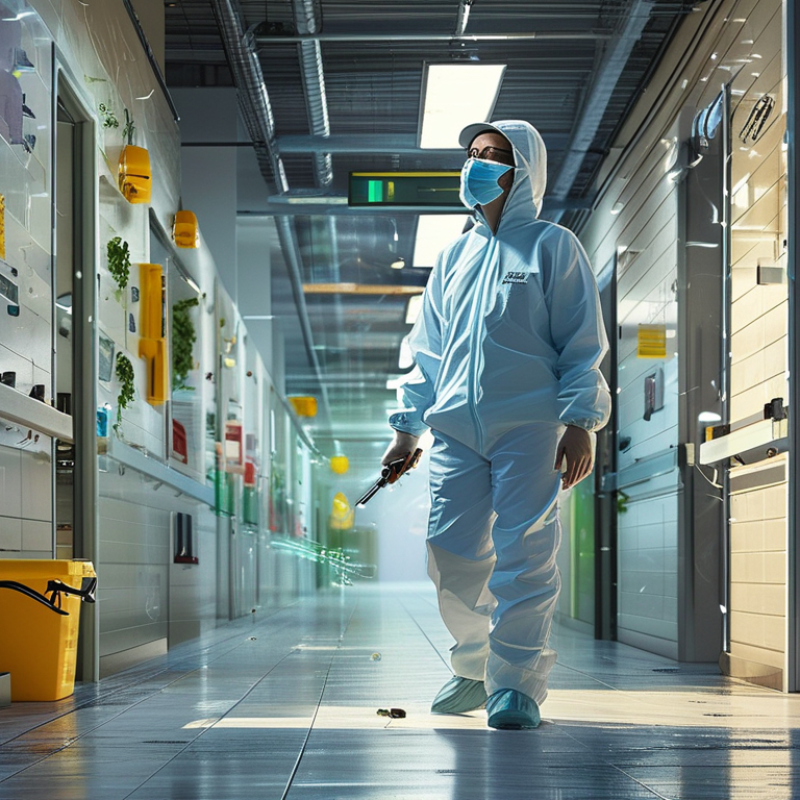
UV technology has gained traction in workplace hygiene, especially amidst global health concerns. Studies suggest that UV-C light can eliminate up to 99.9% of germs on surfaces. This powerful disinfecting method uses short-wavelength ultraviolet light. It's effective against bacteria, viruses, and mold. The CDC highlights that UV light can significantly lower the transmission of healthcare-associated infections.
Tips: Ensure UV devices are operated safely, as direct exposure can harm skin and eyes. Regular training on UV technology, equipment, and protocols can enhance employee knowledge and safety.
Workplaces, from offices to factories, can incorporate UV technology in various applications. For example, UV air purifiers can reduce airborne pathogens. Also, UV disinfection robots can sanitize large spaces quickly. Research shows that businesses adopting these solutions experience fewer sick days. However, UV technology should complement, not replace, standard cleaning practices.
Tips: Regularly evaluate the effectiveness of UV solutions. Keep an eye on advancements in UV technology for better efficiency. Reflections on potential over-reliance can ensure a balanced approach to workplace cleanliness.
Implementing UV technology in the workplace enhances hygiene significantly. This technology utilizes ultraviolet light to deactivate viruses and bacteria. When used properly, it can substantially reduce pathogen levels on surfaces.
Employees often feel safer when they understand that their environment is cleaner.
One notable benefit is its effectiveness against airborne pathogens.
UV-C light can purify the air, offering an additional layer of protection. This is crucial in high-traffic areas, where traditional cleaning methods may struggle.
However, it's important to remember that UV technology isn't a standalone solution. Regular cleaning is still essential to maintain a pristine environment.
Cost considerations also come into play. While the initial investment in UV systems may seem high, the long-term savings on healthcare costs can be significant.
However, organizations must monitor the effectiveness of these systems regularly. This reflective approach ensures optimal performance and employee safety.
Balancing technology with human oversight creates a more reliable hygiene strategy.
The comparison between UV technology and traditional cleaning methods reveals some striking differences. Traditional methods often rely on chemical disinfectants, which can leave harmful residues. These chemicals may not reach hidden surfaces, allowing germs to thrive unnoticed. In contrast, UV technology uses light to kill bacteria and viruses directly. This method is effective, especially in hard-to-reach areas. The radiation from UV light penetrates cells, destroying their DNA and rendering them inactive.
However, there are challenges with UV technology. It requires proper training to use effectively. Overexposure can pose risks to skin and eyes. Additionally, not all surfaces can withstand UV exposure without degrading. On the other hand, traditional cleaning often requires the use of labor-intensive scrubbing and wiping, which may miss certain spots. It also consumes significant time and resources, leading to possible inconsistencies in hygiene standards.
While UV technology shows promise, its implementation should be well thought out. Factors like cost, safety, and training should be considered. Meanwhile, more conventional methods offer a sense of familiarity but may lack efficiency. Finding a balance between these approaches might lead to improved workplace hygiene. Each method has strengths and limitations that warrant careful evaluation.
| Cleaning Method | Effectiveness (Scale 1-10) | Duration (Minutes) | Cost (Approx. USD) | Safety Concerns |
|---|---|---|---|---|
| UV Technology | 9 | 15 | 500 | Yes (eyes and skin) |
| Traditional Cleaning | 7 | 30 | 200 | Minimal |
Office hygiene is crucial for maintaining employee health. UV technology has become a popular solution for cleaning surfaces and the air. Research from the CDC shows that up to 80% of infections are transmitted by touch. This statistic underscores the importance of effective cleaning methods. UV light can efficiently sanitize surfaces and significantly reduce pathogens in an office environment.
Implementing UV technology requires careful planning. It's essential to choose appropriate UV devices, such as UV-C lamps, which are effective against bacteria and viruses. Ensure that the devices are placed in high-touch areas like doorknobs, light switches, and communal spaces. Regular assessments of UV effectiveness should be conducted to refine and improve processes. If a zone is frequently used, consider using UV devices multiple times daily.
Tips for utilizing UV technology effectively:
- Schedule regular UV cleaning sessions during off-hours to avoid disruption.
- Train staff on UV safety protocols to prevent exposure.
- Combine UV solutions with traditional cleaning practices for comprehensive hygiene.
While UV technology offers advanced cleaning capabilities, it is crucial to acknowledge its limitations. UV light is not effective at penetrating dirt or dust, which means visual cleaning is still necessary. Continuous education and training on hygiene practices can further enhance workplace safety and well-being.
UV technology solutions offer promising opportunities for improving workplace hygiene. However, monitoring and assessing their effectiveness remain crucial. Businesses must choose devices that suit their unique environments. Various UV solutions exist, from portable units to fixed installations. Each type has specific strengths.
Effective monitoring involves regular assessments. Utilize measurable metrics to evaluate UV exposure levels. This can include checking for microbial load reduction. Determine how well UV light penetrates surfaces. The frequency of cleaning routines also impacts overall hygiene. Observing changes over time aids in determining effectiveness.
Feedback from staff can provide valuable insights. Are employees noticing a difference in air quality? Are surfaces remaining cleaner longer? Documenting these observations helps in refining UV strategies. While UV technology shows promise, continuous evaluation is essential for optimal results. Implement changes based on this data for better hygiene outcomes.
: UV technology is used to enhance workplace hygiene by eliminating germs on surfaces and in the air.
UV-C light can eliminate up to 99.9% of germs, including bacteria and viruses, when used correctly.
No, UV technology should complement traditional cleaning, not replace it. Regular cleaning remains essential.
Direct exposure to UV light can harm skin and eyes. Always ensure safe operation and train staff accordingly.
By significantly reducing the presence of pathogens, employees feel safer and healthier in their work environment.
Yes, while initial costs may be high, long-term savings on healthcare costs can be significant.
Consider using UV devices multiple times daily in areas heavily frequented to maintain a clean environment.
UV light cannot penetrate dirt or dust, so visual cleaning is still necessary for effective hygiene.
Training improves employee understanding of safety protocols and enhances the overall effectiveness of hygiene processes.
Regular assessments of UV effectiveness can help refine strategies and ensure optimal performance and safety.
In today's health-conscious environment, workplaces are increasingly adopting advanced solutions to enhance cleanliness and safety. "How To Improve Workplace Hygiene With UV Technology" explores the innovative applications of ultraviolet (UV) technology in various office settings. By understanding the science behind UV technology, businesses can effectively address germ spread and improve overall hygiene.
Implementing UV technology offers several benefits, such as efficient disinfection and reduced reliance on traditional cleaning methods, which may not eliminate all pathogens. This article also highlights best practices for integrating UV systems into office environments and emphasizes the importance of regularly monitoring and assessing the effectiveness of these hygiene solutions. Ultimately, adopting UV technology can lead to a healthier workplace, ensuring the well-being of employees and clients alike.

Dextra Light