10 Essential UV Disinfection Applications for Modern Industries?

Time:2026-05-03 Author:Amelia
0%

As industries evolve, the importance of sanitation has never been more crucial. Dr. Emily Thompson, a leading expert in UV disinfection technologies, states, "UV disinfection applications in modern industries are revolutionizing how we ensure safety." This highlights the urgent need for innovative solutions to combat contamination.

UV disinfection applications in modern industries cover a wide range, from healthcare to food production. They offer effective methods for purifying surfaces and killing pathogens. With growing awareness of infection control, businesses are searching for reliable systems. Yet, challenges remain in ensuring consistent effectiveness and integration into existing processes.

Embracing UV technology requires careful consideration. Not all systems are equal; some might underperform in specific environments. Industries must navigate these intricacies to achieve optimal results. This journey towards enhanced sanitation can elevate public health standards, but a mindful approach is necessary.
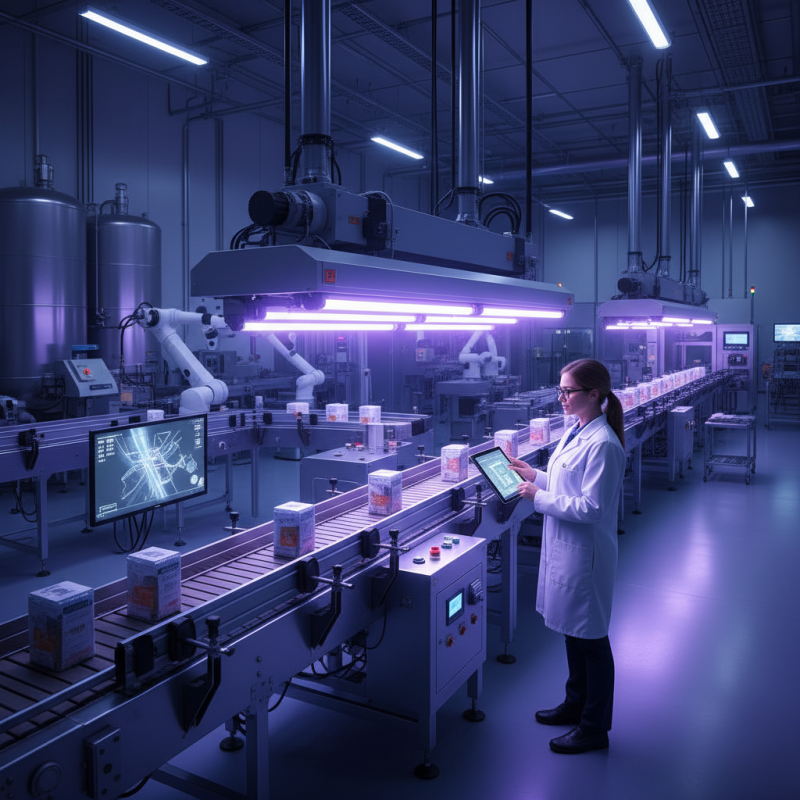
10 Essential UV Disinfection Applications for Modern Industries?

Key Principles of UV Disinfection Technology in Modern Applications

UV disinfection technology plays a crucial role in modern industries. It relies on ultraviolet light to eliminate pathogens effectively. This method is based on three key principles: germicidal efficacy, exposure duration, and proper wavelength. The germicidal effect targets DNA of microorganisms, preventing their reproduction. Short wavelengths around 254 nanometers are most effective for this purpose.

Different industries apply UV disinfection in various ways. In water treatment facilities, UV systems kill bacteria without adding chemicals. Hospitals use UV lights to sterilize rooms and equipment, reducing hospital-acquired infections. Food processing plants implement UV disinfection to extend the shelf life of products.

Despite its benefits, UV disinfection is not without challenges. For instance, thorough surface cleaning is vital before UV exposure, as shadows can hinder effectiveness. Additionally, not all microorganisms respond equally to UV light, leading to potential failures in disinfection. It’s important to ensure equipment is well-maintained to achieve optimum results. Continuous development and evaluation of UV technology are essential to address these issues and improve reliability in various applications.

Top Industries Implementing UV Disinfection Solutions Effectively

In recent years, UV disinfection technology has gained traction across various industries. Healthcare facilities are leading the charge, employing UV light to sanitize surfaces and air. This method effectively reduces the spread of infections. Hospitals utilize mobile UV units to treat rooms after patient discharge. However, proper training is essential to ensure safe implementation.

Food and beverage industries also leverage UV disinfection. This technology treats water and surfaces, minimizing harmful pathogens. Some plants have adopted UV systems in bottle treatment. While they yield impressive results, there is a need for continuous monitoring. Not all UV systems are foolproof; misalignment can lead to inadequate treatment.

Additionally, the pharmaceutical sector relies on UV disinfection to produce sterile products. Ensuring consistent, high-level disinfection is critical, but challenges remain. Variability in UV light intensity may affect effectiveness. Industries implementing UV solutions must regularly assess their systems. Addressing these flaws can improve outcomes and enhance overall safety.

10 Essential UV Disinfection Applications for Modern Industries

Benefits of UV Disinfection in Water Treatment Facilities

UV disinfection plays a crucial role in water treatment facilities. Its effectiveness in killing pathogens is well-documented. For instance, studies show that UV light can inactivate 99.99% of bacteria and viruses in water. This method is chemical-free, reducing harmful byproducts that often arise from traditional treatment processes.

Many industries are adopting UV technology. The Global UV Disinfection Market is expected to reach USD 4.0 billion by 2026, driven by the demand for safer water. This technology is energy-efficient, offering long-term cost savings. Additionally, UV treatment systems have compact designs that fit into existing setups easily.

Tips for effective UV disinfection include maintaining the correct dosage and ensuring proper lamp maintenance. Regular performance checks are essential. Factors like water clarity can significantly affect UV effectiveness. Therefore, pretreatment steps may be necessary to optimize results. Water treatment facilities can improve their operations by emphasizing routine evaluations and staff training on UV technologies. This approach fosters reliability and enhances public trust in treated water quality.

Role of UV Disinfection in Food Safety and Preservation

UV disinfection plays a critical role in food safety and preservation. As per a report by the Food Safety and Inspection Service, about 48 million people become sick from foodborne illnesses in the U.S. each year. Effective decontamination methods can significantly reduce these numbers.

In commercial food processing, UV light has proven to eliminate up to 99.9% of pathogens on surfaces and in water. This technology is often used in pasteurizing beverages, enhancing shelf life without chemical preservatives. The use of UV systems can also aid in maintaining the nutritional value of food. This is vital as consumers increasingly seek fresh and safe products.

Tips: Ensure that UV disinfection systems are regularly maintained. Frequent checks can prevent performance lapses. Understanding the right dosage for different food types is crucial as well. Some foods may require different UV exposure times for effective disinfection. In the end, while UV disinfection shows great promise, more research is needed to fully understand its impact on various food types. Food safety cannot be taken for granted.

Innovations in UV Disinfection for Healthcare Settings and Beyond

UV disinfection is transforming healthcare settings and various industries. It effectively reduces pathogens, improving safety and patient outcomes. New innovations in this technology are making it more accessible and efficient. For instance, mobile UV devices can be used in hospitals to disinfect patient rooms quickly. They ensure a high level of hygiene without the use of harsh chemicals.

Tips: Always assess the area before using UV disinfection. Consider surfaces and shadows that may block light. Regular training for staff is essential to maximize effectiveness.

Innovative applications extend beyond healthcare. Food processing plants are adopting UV systems to ensure product safety. Gyms and fitness centers are using UV light to keep equipment free from germs. The simplicity of UV disinfection is appealing, but users must remain aware of its limitations. Not all surfaces respond equally to UV light, and some pathogens may require additional methods for eradication.

Tips: Monitor the intensity and exposure time for effective disinfection. Combining UV with cleaning practices can enhance results. Stay informed about advancements in the field for optimal effectiveness.

FAQS

: What is UV disinfection technology?

: UV disinfection technology uses ultraviolet light to eliminate pathogens effectively in various applications.

How does UV light kill microorganisms?

It targets the DNA of microorganisms, preventing them from reproducing successfully.

What wavelength is most effective for UV disinfection?

Short wavelengths around 254 nanometers are the most effective for destroying harmful pathogens.

Why is surface cleaning important before UV exposure?

Thorough cleaning removes shadows that can hinder the effectiveness of UV disinfection.

Are all microorganisms equally affected by UV light?

No, some microorganisms may not respond well, leading to potential disinfection failures.

What are the benefits of UV disinfection in water treatment?

UV disinfection kills up to 99.99% of bacteria without chemicals, reducing harmful byproducts.

How can water treatment facilities enhance UV efficiency?

They should maintain the correct dosage and ensure lamp maintenance, along with regular performance checks.

What factors affect UV disinfection effectiveness?

Water clarity and the presence of contaminants can significantly affect how well UV technology works.

Is UV disinfection a costly process?

UV systems are energy-efficient and can offer long-term cost savings, making them financially viable.

What can be done to improve public trust in treated water?

Routine evaluations and staff training on UV technologies can enhance reliability and confidence in water quality.

Conclusion

UV Disinfection Applications in Modern Industries are increasingly vital across various sectors as the need for effective sanitation intensifies. This technology operates on key principles that harness ultraviolet light to eliminate pathogens without the use of harmful chemicals. Industries such as water treatment, food safety, and healthcare are leading the way in implementing UV disinfection solutions, reaping benefits like enhanced safety and efficiency.

In water treatment facilities, UV disinfection not only ensures the removal of harmful microorganisms but also preserves the integrity of the water supply. Similarly, in food production, it plays a critical role in safeguarding food quality and extending shelf life. The healthcare sector has witnessed significant innovations in UV disinfection technologies, which are essential for maintaining sterile environments. As these applications continue to evolve, they are proving indispensable in promoting public health and safety in modern industries.

Amelia

Amelia

Amelia is a seasoned marketing professional with a wealth of expertise in our company’s core offerings. With an unwavering passion for driving growth and innovation, she plays a pivotal role in shaping our marketing strategies and enhancing brand visibility. A key aspect of her responsibilities......