As hygiene concerns grow, industries are seeking innovative solutions. One effective method is using ultraviolet (UV) technology. Experts like Dr. Jane Smith, a leading microbiologist, emphasize its potential. She states, “UV technology can dramatically reduce microbial loads on surfaces.” This insight highlights the significance of understanding "How To Improve Surface Hygiene Using UV Technology."
Implementing UV technology requires careful consideration. Different settings may require unique approaches. Factors such as surface material and the type of bacteria present can impact effectiveness. Awareness of these nuances is crucial to avoid over-reliance on UV solutions. Not every surface responds equally to UV light, which can lead to false confidence in hygiene practices.
Furthermore, while UV technology can be a game-changer, it's essential to integrate it within a broader hygiene strategy. Regular cleaning and disinfection should still play vital roles. This holistic approach not only enhances hygiene but also builds trust in public health measures. In the end, while UV technology offers promise, the path to optimal surface hygiene remains multifaceted and requires ongoing reflection.
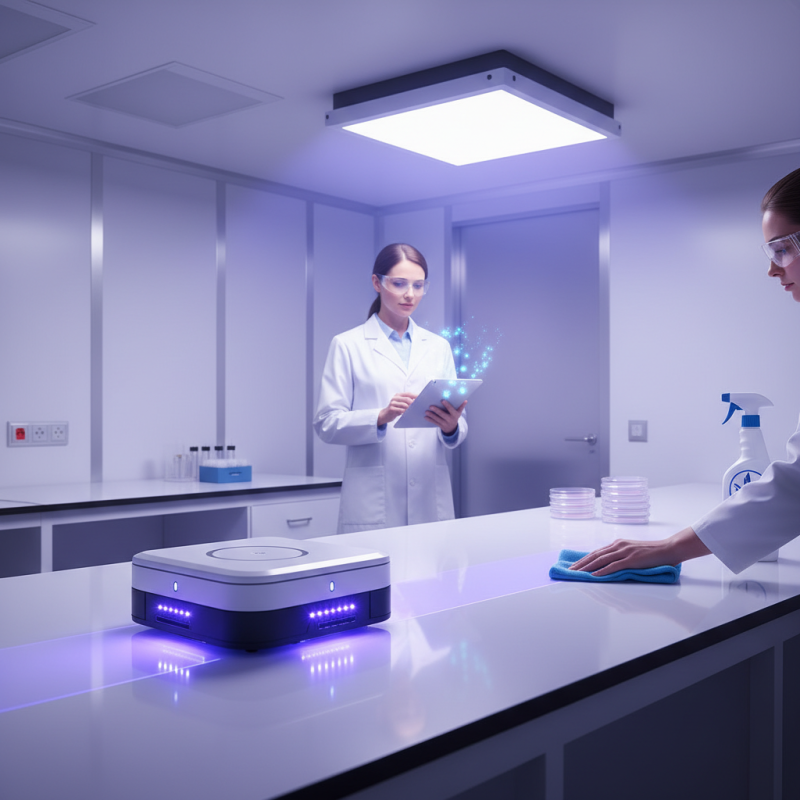
Understanding UV Technology and Its Role in Surface Hygiene
Understanding UV technology in surface hygiene is essential for various industries. Ultraviolet (UV) light is effective in killing pathogens. According to industry research, UV light can reduce up to 99.9% of certain bacteria and viruses on surfaces.
UV-C, a specific wavelength of UV light, penetrates the cell walls of microorganisms. This disruption leads to their inactivation. Facilities such as hospitals and food processing plants use this technology. It provides an additional layer of protection against harmful germs.
Tip: Regular cleaning before UV application enhances effectiveness. Surfaces should be free from dirt and debris. This ensures that UV light reaches the pathogens directly.
While UV technology shows promise, it has limitations. It can’t clean shadowed areas effectively. Surface cleanliness in these spots remains a concern.
Tip: Combine UV technology with traditional cleaning methods. This multi-faceted approach can optimize hygiene standards. Study findings emphasize using UV as part of a broader hygiene program.
Acknowledging these gaps is crucial. Continuous evaluation of technology is necessary to enhance overall effectiveness. Embracing transparency in these practices fosters trust in UV solutions.
2026 Best Ways to Enhance Surface Hygiene with UV Technology
| Method |
Effectiveness (%) |
Application Area |
Duration (minutes) |
| Handheld UV Devices |
99.9% |
Small Surfaces |
5 |
| UV-C Light Fixtures |
97% |
Large Rooms |
10 |
| UV Robots |
99.99% |
Hospitals |
30 |
| UV Sanitizing Stations |
98% |
Public Spaces |
2 |
| Portable UV-C Sterilizers |
95% |
Travel |
15 |
Types of UV Light and Their Effectiveness Against Microbial Contamination
UV technology is transforming surface hygiene practices. Different types of UV light target microbial contamination effectively.
UV-C light is most commonly used in disinfection. It penetrates the cell walls of bacteria and viruses, disrupting their DNA.
This renders them inactive. However, UV-C does not offer protection against larger particles. Thus, it is vital to combine UV-C disinfection with regular cleaning.
Consider using UV light in high-touch areas. The effects are noticeable in restrooms, kitchens, and healthcare settings.
Ensure surfaces are clean before applying UV light to maximize its effectiveness. While UV light can be powerful, it must be used properly.
Overexposure can lead to harmful effects on skin and eyes.
Tips for effective implementation include:
- Regular maintenance of UV devices.
- Establish a routine to check for damages and ensure safety features are functional.
- Training staff on proper usage is essential.
Knowledge about UV safety protocols increases compliance. Remember, while UV technology enhances hygiene,
it is not a standalone solution. Blend it with conventional cleaning methods for best results.
Integrating UV Technology into Cleaning Protocols and Practices
Integrating UV technology into cleaning protocols is transforming hygiene practices. UV light effectively disinfects surfaces by inactivating microorganisms. This method goes beyond traditional cleaning, offering a deeper level of sanitation.
When incorporating UV technology, facilities must assess their specific needs. It’s essential to train staff on proper usage. Misunderstanding UV safety guidelines can lead to errors. There are instances where UV light might not reach all surfaces effectively. Regular audits and assessments are vital for identifying these gaps. Understanding its limitations helps ensure reliable sanitization.
Maintaining a balance between UV technology and traditional methods is important. While UV provides a high level of disinfection, it should complement other cleaning techniques. Regular manual cleaning removes physical dirt and debris, enhancing overall efficacy. Facilities might find challenges in integrating these systems seamlessly. Addressing these issues proactively will lead to better hygiene outcomes.
Best Practices for Safe and Effective Use of UV-C Devices
The effectiveness of UV-C technology in enhancing surface hygiene is increasingly recognized in various industries. According to a report by the Environmental Protection Agency (EPA), UV-C can eliminate up to 99.9% of pathogens on surfaces. However, the safe and effective use of UV-C devices requires adherence to best practices.
Proper training for staff is essential. Without it, mishandling can lead to ineffective disinfection. UV-C light can cause skin and eye damage, so protective measures are critical. Devices should be clearly labeled, and safety gear must be available. Regular maintenance ensures equipment functions optimally. The device positioning is also crucial. UV-C needs direct exposure to surfaces for effective disinfection. Shadows or obstructions reduce its capability significantly.
Some facilities may experience inconsistent results due to improper usage. In one study, 30% of operators reported UV-C devices were not utilized according to protocol. To counter this, routines must be established to track the frequency and quality of UV-C applications. Continuous evaluation leads to improvements. Training sessions and audits can enhance reliability in disinfecting practices. This approach balances the innovation of UV-C technology with the necessary precautions for safety and effectiveness.
Evaluating the Impact of UV Technology on Public Health and Safety
The role of ultraviolet (UV) technology in enhancing surface hygiene is becoming increasingly significant. UV light effectively eliminates bacteria and viruses on various surfaces. Its application in public spaces, such as hospitals and schools, showcases its potential in safeguarding health and safety. Studies reveal that UV technology reduces infection rates, particularly in high-touch areas. Effective use can lead to a noticeable decrease in illness transmission.
However, challenges remain in implementing UV technology widely. Not all surfaces are UV-friendly, and shadowed areas may remain untreated. There's a learning curve for proper usage among staff. Misunderstanding UV safety can lead to misuse or harmful exposure. Regular training is essential to maximize benefits while minimizing risks.
Community acceptance also plays a crucial role. Some individuals may be hesitant to trust UV technology over traditional cleaning methods. Building trust through transparent information can help address these concerns. Ongoing research is vital. It not only validates the efficacy of UV technology but also uncovers its limitations. Continuous improvement is necessary for a safer environment.
FAQS
: UV-C technology can eliminate up to 99.9% of pathogens on surfaces.
Proper training prevents mishandling and ensures effective disinfecting results.
UV-C light can cause skin and eye damage if safety measures are not followed.
Regular maintenance is crucial for optimal performance and reliability.
Direct exposure to surfaces is needed for effective disinfection; shadows reduce effectiveness.
Improper usage and lack of adherence to protocols can lead to ineffective disinfection.
Establishing routines to monitor frequency and quality can enhance application effectiveness.
Not all surfaces are compatible, and improper training can lead to misuse.
Some may prefer traditional cleaning methods and need transparent information to build trust.
Continuous research is vital to validate efficacy and understand limitations for safer use.
Conclusion
In the quest for better sanitation, understanding how to improve surface hygiene using UV technology is becoming increasingly essential. This article explores the principles of UV technology and its crucial role in combating microbial contamination. It categorizes different types of UV light and assesses their effectiveness in disinfecting surfaces. Furthermore, the integration of UV technology into existing cleaning protocols ensures that these advanced solutions complement traditional methods effectively.
To maximize safety and efficacy, best practices for the use of UV-C devices are outlined, ensuring that users can harness the full potential of this technology without compromising health. Finally, the article examines the broader implications of UV technology on public health and safety, highlighting its significance in maintaining a clean environment. By following the insights presented, institutions can significantly enhance surface hygiene and contribute to healthier spaces.
 Dextra Light
