In the quest to maintain impeccable hygiene standards, businesses are turning to innovative solutions. One such solution is UV technology. Experts like Dr. Emily Chen, a leading authority in environmental health, emphasize its significance. She states, "UV light is a game changer in how we approach hygiene in public spaces."
Understanding "How To Improve Hygiene Using UV Technology" is crucial for many sectors. Restaurants, hospitals, and offices can greatly benefit from UV light systems. These systems effectively reduce harmful pathogens. Yet, it’s essential to address misconceptions surrounding their use. Not all UV technologies are created equal, and improper usage can lead to ineffective results.
Adopting UV technology does not eliminate the need for regular cleaning. Businesses must remain vigilant and incorporate multiple strategies for cleanliness. A blend of traditional methods and modern technology can create a safer environment. As we dive deeper into this topic, exploring practical applications and expert testimonials will provide invaluable insights.
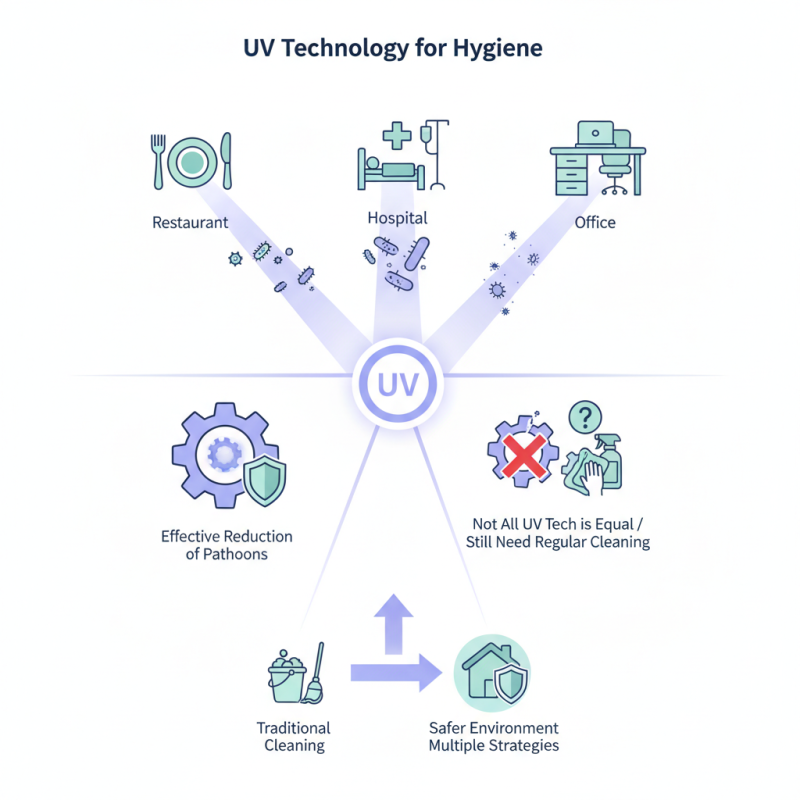
UV technology plays an essential role in enhancing business hygiene. With the rise of health concerns, many industries seek effective solutions. According to a study by the Global Cleanliness Institute, 67% of businesses have increased their hygiene measures since the pandemic began. UV light systems effectively reduce bacteria and viruses on surfaces, making workplaces safer.
Incorporating UV technology into your business plan can be a game-changer. A recent report by Environmental Science & Technology highlights that UV-C light can inactivate up to 99.9% of pathogens. This level of effectiveness means that employees and customers can feel safer. However, it's crucial to understand that UV systems should not replace traditional cleaning methods. They function best as part of a comprehensive hygiene strategy.
**Tip:** Regular training for staff on the use of UV technology ensures safety and effectiveness. Knowledgeable employees make a significant difference. Additionally, ensure proper maintenance of UV equipment to maximize performance. Remember, UV systems' impact can diminish over time without consistent care. Thus, assessing the technology's effectiveness should be an ongoing priority.
UV technology is transforming hygiene practices across various industries. Its effectiveness lies in its ability to eliminate harmful pathogens without using chemicals. This makes it an ideal solution for businesses focused on health and safety. UV-C light, specifically, is known for its germicidal properties. It disrupts the DNA of bacteria and viruses, rendering them inactive and unable to reproduce.
Integrating UV technology into your business requires careful consideration. Factors like the size of your facility and the types of surfaces you need to disinfect are crucial. For instance, UV lights can be installed in air ducts to purify circulated air. However, it’s essential to ensure that UV light is only applied in safe, controlled environments. Misuse or improper setup can lead to ineffective sanitation or even health risks to employees and customers.
Despite its advantages, challenges exist. Some surfaces might be shadowed from UV exposure, leading to uneven disinfection. Regular maintenance of UV systems is necessary to ensure optimal functionality. Furthermore, staff training is vital to maximize the benefits while minimizing risks. Being aware of these factors can enhance the effectiveness of UV technology in maintaining hygiene in your business.
In commercial settings, maintaining a hygienic environment is crucial. UV-C light technology has emerged as a powerful tool for reducing pathogens. Research shows that UV-C light effectively inactivates bacteria and viruses on surfaces. This process can complement traditional cleaning methods, leading to a more thorough approach to hygiene.
Consider integrating UV-C light devices into your cleaning regimen. Placement matters; aim for areas with high touch frequency. Regular maintenance of these devices is essential to ensure optimal performance. Remember, the effectiveness of UV-C light diminishes with distance. Position your equipment strategically to maximize pathogen reduction.
While UV-C technology offers significant benefits, it’s important to use it carefully. Direct exposure to skin and eyes can be harmful. Training your staff on safe usage is vital. Regularly assess the effectiveness of your UV-C cleaning process. Incorporate feedback from your team to enhance your hygiene protocols continuously. Implementing these steps can lead to a safer environment for employees and customers alike.
Businesses are increasingly turning to UV technology to enhance hygiene. Several case studies showcase its effectiveness. In a healthcare setting, a clinic adopted UV disinfection after facing a high infection rate. They installed UV devices in waiting areas and procedure rooms. As a result, the clinic reported a significant drop in infection cases within weeks. Patients noted a cleaner environment, bolstering their confidence in the clinic.
In another instance, a food processing plant faced strict hygiene regulations. The facility integrated UV systems to sanitize surfaces and equipment. Initially, employees were skeptical about its efficacy. However, they soon observed a marked decrease in contamination incidents. This prompted the staff to embrace the technology more wholeheartedly. Yet, some operators struggled with the learning curve, highlighting the need for comprehensive training.
These examples illustrate the potential of UV technology. However, businesses must carefully evaluate their specific needs. Not every situation will yield the same results. Proper implementation and ongoing monitoring are essential for success. Reviewing outcomes regularly can help refine processes and ensure the technology is utilized effectively.
In today's world, hygiene standards are a top priority for many businesses. UV technology offers a solution to address these needs. When evaluating the cost-effectiveness of UV solutions, it's crucial to consider both initial costs and long-term benefits. The upfront investment can seem high, but the potential savings in other areas may offset this. Many facilities report reduced cleaning expenses over time, as UV systems can effectively decrease the microorganism load.
Furthermore, the consistent application of UV technology can enhance overall public health. This leads to greater customer satisfaction and loyalty. A clean environment can attract more customers. However, not all UV solutions are equal. Some systems may have high maintenance costs or variable effectiveness. Businesses must choose wisely to ensure they get the best return on investment.
Reflecting on these factors can help organizations align their strategies with their hygiene goals. It’s essential to analyze specific needs and the surrounding environment. Balancing upfront costs with potential long-term gains requires careful thought. Only by critically assessing options will businesses achieve their hygiene standards effectively.
| Aspect | UV Technology Type | Initial Cost (USD) | Annual Maintenance Cost (USD) | Effective Lifespan (Years) | Hygiene Efficiency (%) |
|---|---|---|---|---|---|
| Surface Disinfection | Portable UV Devices | $1,200 | $150 | 5 | 99% |
| Air Purification | UV Air Purifiers | $1,500 | $200 | 7 | 98% |
| Water Treatment | UV Water Sterilizers | $2,000 | $300 | 10 | 99.9% |
| Healthcare Facilities | Fixed UV Systems | $5,000 | $500 | 15 | 97% |
: UV technology enhances hygiene by effectively reducing bacteria and viruses on surfaces.
UV-C light can inactivate up to 99.9% of pathogens, ensuring a safer environment.
No, UV systems should complement traditional cleaning, not replace them entirely.
Regular training ensures that staff use UV technology safely and effectively, maximizing its benefits.
Proper maintenance is crucial. Neglected systems can lose effectiveness over time.
While initial costs may be high, UV systems can lead to reduced cleaning expenses over time.
Analyze initial costs, long-term benefits, and the specific needs of the business environment.
Yes, a clean environment enhances public health, increasing customer satisfaction and loyalty.
No, some may have high maintenance costs or variable effectiveness; careful selection is needed.
Relying solely on UV technology might lead to neglecting other essential hygiene practices.
The article titled "Enhance Hygiene with UV Technology for Your Business Needs" explores the critical role of UV technology in promoting hygiene within various commercial environments. It begins by outlining the fundamental principles of UV technology and its diverse applications in maintaining sanitation standards. The focus then shifts to how UV-C light significantly reduces pathogens, thereby enhancing cleanliness in businesses.
Furthermore, the article presents case studies that illustrate successful implementations of UV technology across different sectors, showing tangible improvements in hygiene practices. Lastly, it evaluates the cost-effectiveness of UV solutions, underscoring their value in ensuring sustained hygiene standards. Overall, the article provides insights on how to improve hygiene using UV technology, making it a viable solution for businesses aiming to enhance their sanitation efforts.

Dextra Light